Beverage
Juice Dispenser and Commercial Beverage Equipment
A commercial juice dispenser is an important part of beverage service in restaurants, hotels, cafes, buffets, catering operations, cafeterias, and other foodservice businesses. However, a complete beverage station can require much more than a single dispenser. Depending on the menu and service format, businesses may need cold beverage dispensers, hot beverage equipment, thermal dispensers, drink mixers, blenders, and other specialized machines.
Kawader provides commercial beverage equipment in Saudi Arabia for different foodservice applications. The available solutions support cold drink preparation and dispensing as well as hot beverage service, allowing businesses to select equipment according to beverage type, serving volume, available counter space, and operating requirements.
Whether you are searching for a beverage dispenser for a restaurant buffet, a Crathco juice dispenser for commercial beverage service, a Ugolini juice dispenser, or a stainless steel hot beverage dispenser, equipment should be selected according to the drinks being served and expected demand during peak periods.
Commercial Beverage Equipment for Foodservice Businesses
Beverage equipment covers several different preparation and serving functions. Some machines keep drinks chilled and ready to dispense, while others are designed for hot beverage service, blending, mixing, or specialized drink preparation.
For this reason, beverage equipment should be planned around the complete menu. A juice bar may require several refrigerated dispensers and powerful blenders, while a hotel breakfast operation may need juice dispensers alongside hot water and thermal beverage equipment.
Restaurants and cafes should also consider how customers order drinks. Equipment requirements for self-service buffets can differ considerably from those of a staffed beverage counter where employees prepare each order individually.
Juice Dispenser for Restaurants and Cafes
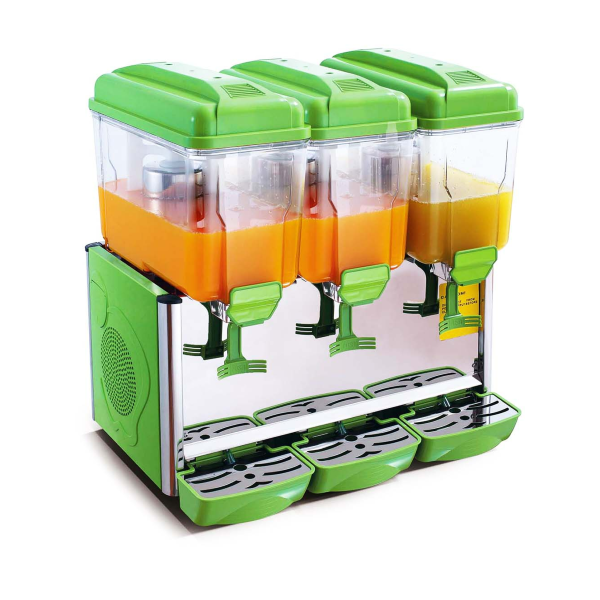
A juice dispenser allows businesses to store and dispense prepared cold beverages from a dedicated commercial unit. Depending on the specific machine, dispensers can be used for different types of chilled beverages and are available in several bowl configurations and capacities.
Commercial juice dispensers can be useful in restaurants, cafeterias, hotels, breakfast buffets, catering operations, and other businesses where drinks need to be served repeatedly throughout the day.
When choosing a machine, review bowl capacity, number of bowls, refrigeration system, overall dimensions, electrical requirements, and the type of beverage recommended for the model. Not every dispenser is designed for every drink consistency, so the manufacturer's specifications should always be checked.
Single, Double, and Multiple-Bowl Juice Dispensers
The number of bowls determines how many beverage varieties can be offered from one dispensing station. A single-bowl juice dispenser can be practical for businesses serving one main cold beverage, while double or multiple-bowl equipment allows several flavors to be offered from the same general counter area.
A hotel breakfast buffet, for example, may want to offer several juice choices simultaneously. A smaller restaurant may only require one or two beverage options.
More bowls also mean additional capacity and a larger machine footprint. Businesses should therefore compare beverage variety with available counter space rather than automatically choosing the dispenser with the highest number of bowls.
Beverage Dispenser for Commercial Service
A commercial beverage dispenser can help organize drink service by keeping a prepared beverage in a dedicated dispensing unit. This can be particularly useful where the same drinks are served repeatedly and staff need quick access during busy periods.
The correct dispenser depends on beverage type and service conditions. Cold drinks require equipment designed for appropriate chilled service, while hot drinks need equipment designed to handle and maintain higher temperatures.
Before purchasing, determine whether the dispenser will be operated by staff or customers. For self-service areas, placement, access, drip management, capacity, and ease of operation become especially important.
Crathco Beverage Dispenser for Professional Use
A Crathco beverage dispenser can be considered for professional beverage stations where businesses need dedicated commercial equipment for cold drink service. Crathco equipment is associated with professional beverage dispensing applications and can be used in different foodservice environments depending on the individual model.
When comparing a Crathco dispenser, review the number and capacity of bowls, cooling specifications, dimensions, electrical requirements, and the beverages the selected model is designed to handle.
The correct configuration depends on daily demand. Restaurants with a limited drink selection may require fewer bowls, while cafeterias, hotels, and buffet operations can benefit from equipment that supports multiple beverage choices.
Crathco Juice Dispenser
A Crathco juice dispenser provides a commercial solution for businesses that need to serve chilled drinks efficiently. It can form part of a beverage counter in restaurants, hotels, cafeterias, catering operations, and other professional foodservice environments.
When selecting a Crathco juice dispenser, consider the quantity of juice served during peak periods rather than total daily sales alone. If most customers arrive during breakfast or lunch, the machine needs enough practical capacity to support that concentrated demand.
Businesses should also consider refill frequency. A smaller unit may fit the available counter perfectly but require frequent refilling during peak service. A larger unit can reduce refilling but requires additional space.
Ugolini Juice Dispenser
A Ugolini juice dispenser is another option for professional cold beverage service. Ugolini equipment is used in commercial beverage applications, with configurations designed for different drinks and service requirements.
Restaurants, cafes, hotels, cafeterias, and catering businesses can compare Ugolini dispensers according to bowl configuration, capacity, dimensions, and the type of product they need to serve.
As with any commercial dispenser, the selected machine should be matched to the beverage. Businesses should review the manufacturer's instructions regarding suitable drink types, operating procedures, cleaning, and maintenance for each model.
Juice Dispensers for Hotel Breakfast Buffets
Breakfast service can create a concentrated period of beverage demand, making juice dispensers especially useful in hotels. Guests may need quick access to several juice options while staff focus on replenishing the wider buffet.
Multiple-bowl dispensers can allow different beverages to be offered from a compact service point. The appropriate capacity depends on the number of guests, length of breakfast service, and expected consumption.
The dispensing station should be positioned where guests can access it without blocking other buffet areas. Space should also be available for cups, drip management, refilling, and cleaning.
Juice Dispensers for Restaurants and Cafeterias
Restaurants and cafeterias can use commercial dispensers to support beverage service during lunch, dinner, or all-day operation. The ideal machine depends on the number of customers and whether beverages are dispensed by staff or through a self-service station.
For high-volume cafeterias, capacity and refill frequency can be major considerations. For smaller restaurants, compact dimensions and efficient use of counter space may have greater importance.
A commercial juice dispenser should therefore be selected as part of the overall service workflow rather than as an isolated appliance.
Cold Beverage Dispensers
Cold beverage dispensers are designed to support chilled drink service. Depending on the equipment, the beverage may be circulated or agitated while being held inside transparent containers, allowing staff or customers to see the available drink.
Different beverage formulations have different handling requirements. Businesses should check whether a machine is appropriate for juice, non-carbonated drinks, or other products before use.
The refrigeration system should also be considered in relation to the operating environment. Installation and ventilation requirements vary by model, so sufficient clearance should be provided according to manufacturer instructions.
Hot Beverage Equipment
Commercial beverage service also includes equipment for hot drinks. Restaurants, hotels, catering operations, conference facilities, and buffets can require hot water or prepared beverages in significant quantities, particularly during breakfast and event service.
Hot beverage equipment should be selected according to capacity, temperature requirements, service duration, and whether the unit is intended for preparation, holding, or dispensing.
Equipment used for hot beverages must be designed specifically for the intended temperature and application. A cold juice dispenser should never be treated as interchangeable with hot beverage equipment.
Thermal Beverage Dispenser
A thermal beverage dispenser can be useful for holding and serving prepared drinks where temperature retention and portability are important. These dispensers can be particularly relevant to catering, banquets, meetings, breakfast service, and other applications where beverages may need to be transported or served away from the main preparation area.
When choosing thermal dispensing equipment, compare capacity, construction, insulation, dispensing mechanism, dimensions, and ease of transport. The required capacity should be calculated according to the number of servings needed between refills.
The intended beverage should also be considered. Always follow the manufacturer's instructions regarding suitable contents, cleaning procedures, and recommended operating temperatures.
Stainless Steel Hot Beverage Dispenser
A stainless steel hot beverage dispenser can support hot drink service in restaurants, hotels, buffets, catering businesses, meeting facilities, and other professional environments. Stainless steel construction is commonly used in commercial foodservice equipment because it is suited to professional working environments and can be incorporated into commercial service areas.
Hot beverage dispensers are available in different capacities and designs. The appropriate unit depends on the number of servings required, refill frequency, available service space, and type of beverage.
When comparing equipment, check whether the unit actively heats, maintains temperature, or relies on insulated construction, because these functions are not necessarily the same across different products.
Beverage Dispensers for Catering and Events
Catering operations have different requirements from fixed restaurants because equipment may need to be transported between preparation and service locations. Portability, capacity, construction, and ease of setup can therefore become important selection criteria.
A thermal beverage dispenser can be useful for selected event applications, while chilled beverage equipment may be required for juice and other cold drinks. The complete setup should be planned around event size and service duration.
For large events, businesses should calculate the number of servings per dispenser and establish a refill plan rather than relying only on total nominal capacity.
Commercial Blenders for Beverage Preparation
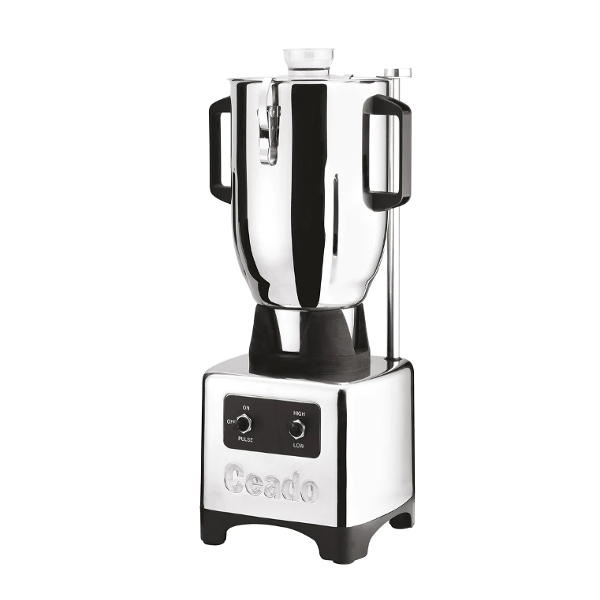
Blenders are another important category of beverage equipment, particularly for cafes, juice bars, restaurants, and hotels that prepare smoothies, blended drinks, and other beverages to order.
A commercial blender should be selected according to expected daily use, peak-hour demand, container capacity, controls, and the ingredients being processed. A machine intended for occasional preparation may have different requirements from a blender operating continuously during busy periods.
When designing a beverage counter, the blender should be positioned close to ingredients, ice, cups, and the preparation area to reduce unnecessary staff movement.
Drink Mixers and Specialized Beverage Equipment
Some menus require specialized beverage equipment beyond conventional dispensers and blenders. Drink mixers and other preparation machines can provide dedicated workstations for particular beverage categories.
Before purchasing specialized equipment, calculate how frequently the related menu item is ordered. A dedicated machine can be valuable when it supports a high-demand product, while lower-volume menus may require a different approach to counter space.
Each piece of equipment should contribute to a clear production workflow rather than creating unnecessary congestion behind the beverage counter.
Planning a Complete Beverage Station
A professional beverage station can combine several pieces of equipment depending on the menu. For example, a hotel breakfast area may require a juice dispenser, hot beverage equipment, and thermal dispensers, while a cafe may prioritize blenders, drink preparation machines, and cold beverage service.
Start by dividing the menu into cold prepared beverages, dispensed drinks, blended drinks, and hot beverages. Then determine which products need dedicated equipment.
This approach makes it easier to calculate counter space, electrical connections, water requirements, storage, and staff movement before equipment is installed.
Choosing Beverage Equipment by Capacity
Capacity should be calculated according to peak demand rather than daily sales alone. A hotel may serve most of its juice during a short breakfast period, while a restaurant can experience concentrated beverage demand during lunch and dinner.
For a beverage dispenser, estimate how many liters are likely to be served between practical refill periods. For hot or thermal dispensers, calculate the number of cups or servings required before replenishment.
Choosing capacity this way helps businesses avoid equipment that is too small for busy service while preventing unnecessary use of counter space by oversized units.
Choosing a Juice Dispenser by Bowl Capacity
Bowl capacity is one of the main specifications to compare when choosing a commercial juice dispenser. Larger bowls can reduce refill frequency but also increase the overall dimensions of the machine.
For multiple-bowl models, consider whether every beverage will sell at approximately the same rate. In many operations, one drink may be considerably more popular than the others, affecting how often individual bowls need to be replenished.
The best configuration should balance drink variety, demand, available counter space, and ease of service.
Counter Space and Beverage Equipment Layout
Equipment dimensions should be reviewed before purchasing any beverage machine. Measure the available width, depth, and height and allow additional room for loading, refilling, dispensing, cleaning, and ventilation where required.
A dispenser should be positioned so that customers or staff can operate it comfortably. In self-service areas, sufficient space should be available in front of the machine to prevent queues from interfering with other foodservice stations.
For staff-operated beverage counters, arrange equipment according to preparation sequence so employees do not repeatedly cross paths during busy service.
Cleaning Commercial Beverage Dispensers
Regular cleaning is essential for equipment that comes into contact with beverages. Bowls, dispensing valves, mixing components, drip trays, and other food-contact parts should be cleaned according to the instructions for the individual machine.
Different beverages can leave different types of residue, so the cleaning schedule should reflect both the product and frequency of use. Staff should be trained to dismantle only the components intended for routine removal.
A Crathco beverage dispenser, Ugolini juice dispenser, or any other commercial beverage machine should always be cleaned according to its specific manufacturer instructions rather than applying one generic procedure to every model.
Maintenance of Commercial Beverage Equipment
Commercial beverage machines can operate for long periods every day, particularly in hotels, cafeterias, and high-volume restaurants. Routine inspection and preventive maintenance should therefore form part of the operating plan.
Changes in cooling performance, dispensing, mixing, temperature control, or unusual operating sounds should be investigated rather than ignored.
Businesses should follow the maintenance recommendations provided for the specific equipment and use qualified technicians when professional servicing is required.
How to Choose the Right Commercial Beverage Equipment
The best equipment depends on what the business serves, how many customers it handles, and how the beverage station operates. Instead of choosing a machine based only on price or appearance, compare specifications against real service requirements.
- Beverage type: Determine whether the equipment will serve juice, another chilled drink, hot beverages, or blended products.
- Peak demand: Calculate the quantity required during the busiest service period.
- Capacity: Choose bowl, tank, or container capacity according to realistic refill intervals.
- Number of beverages: Decide whether a single or multiple-bowl dispenser is appropriate.
- Temperature requirements: Select equipment designed specifically for cold, hot, or thermal holding applications.
- Counter space: Measure the complete installation area before selecting the machine.
- Electrical requirements: Check voltage, phase, power, and plug or connection requirements for the individual model.
- Cleaning: Consider how easily food-contact components can be accessed for routine cleaning.
- Workflow: Position beverage equipment according to how staff or customers will use it.
Commercial Beverage Equipment for Restaurants
Restaurants can require several types of beverage equipment depending on their menus and service styles. A casual restaurant may need cold beverage dispensers and blenders, while a buffet restaurant may also require thermal or hot beverage service equipment.
A commercial juice dispenser can provide a dedicated solution for chilled drinks, while other equipment can be added according to demand.
Planning the complete station in advance helps businesses allocate enough space for equipment, ingredients, cups, storage, and staff movement.
Beverage Equipment for Hotels and Buffets
Hotels can have significant beverage requirements across breakfast areas, restaurants, meeting rooms, banquets, and catering services. Equipment selection should therefore reflect the needs of each service point.
Breakfast buffets can benefit from multiple cold beverage choices, while meetings and banquets may require a thermal beverage dispenser or other hot beverage service equipment.
Larger properties may find it more practical to distribute beverage equipment across several service areas rather than relying on a single centralized station.
Commercial Beverage Equipment for Cafes and Juice Bars
Cafes and juice bars often combine made-to-order drinks with prepared beverages. This can require commercial blenders alongside a beverage dispenser or other specialized machines.
Equipment should be arranged according to the preparation sequence. Ice, fruit, ingredients, blenders, cups, and dispensing equipment should be positioned to minimize unnecessary movement during peak service.
Capacity should also reflect the menu. Businesses selling a high volume of blended drinks may prioritize blender performance, while operations serving prepared chilled drinks throughout the day may place greater emphasis on dispenser capacity.
Buy Juice Dispensers and Beverage Equipment in Saudi Arabia
Kawader offers commercial beverage equipment for restaurants, cafes, hotels, catering businesses, cafeterias, juice bars, and other foodservice operations in Saudi Arabia. Businesses can explore equipment for cold beverage dispensing, hot beverage service, blending, mixing, and other professional beverage applications.
When selecting a juice dispenser, compare capacity, number of bowls, dimensions, cooling system, electrical requirements, and recommended beverage types. Businesses considering a Crathco juice dispenser or Ugolini juice dispenser should compare the specifications of individual models with their actual service volume.
For hot beverage service, consider the differences between active heating and insulated holding when comparing a thermal beverage dispenser with a stainless steel hot beverage dispenser. Selecting equipment according to the actual application helps create a more practical and efficient beverage station.
Choosing the Right Beverage Equipment for Your Business
What should I look for when buying a commercial juice dispenser?
Consider the number of bowls, capacity, cooling system, machine dimensions, electrical requirements, expected peak demand, and the beverages recommended for the machine. A commercial juice dispenser should provide enough capacity without unnecessarily occupying valuable service space.
How do I choose between a Crathco and Ugolini juice dispenser?
Compare the individual Crathco juice dispenser and Ugolini juice dispenser models according to capacity, bowl configuration, dimensions, operating specifications, and suitability for the beverages you plan to serve. The appropriate choice depends on the requirements of the specific operation rather than the brand name alone.
What is a thermal beverage dispenser used for?
A thermal beverage dispenser is designed to hold and dispense prepared beverages while supporting temperature retention according to the design of the unit. It can be useful for catering, meetings, banquets, buffets, and other service environments where beverages need to be held or transported.
What is the difference between a cold beverage dispenser and a hot beverage dispenser?
A cold beverage dispenser is designed for chilled drink service, while hot beverage equipment is designed for higher-temperature applications. The two should not be used interchangeably. Always check the intended temperature range and application specified for the individual product.
What beverage equipment does a restaurant or cafe need?
The required equipment depends on the menu. A business may need juice or cold beverage dispensers, commercial blenders, drink mixers, hot beverage equipment, or thermal dispensers. Start with the drinks offered on the menu and calculate peak-hour demand before selecting equipment.