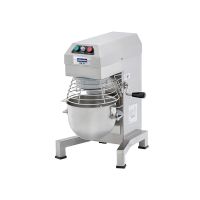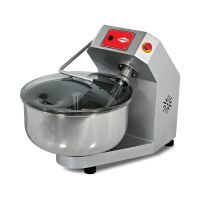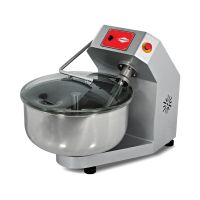
Planetary and Dough Mixers
Planetary Mixer for Bakeries & Professional Kitchens
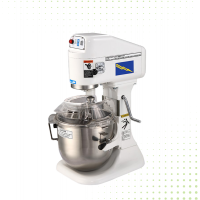
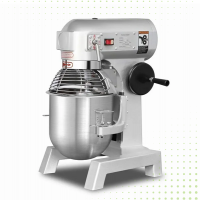
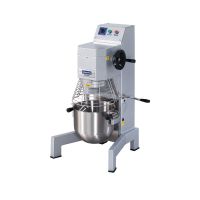
A planetary mixer is a versatile piece of food preparation equipment for bakeries, pastry shops, restaurants, hotels, cafés, catering businesses, and professional kitchens. Different mixer capacities and configurations can support a wide range of preparation requirements, making mixer selection an important part of planning an efficient production area.
At Kawader, businesses can explore commercial planetary and dough mixers for different production levels. Available models can be compared according to bowl capacity, dimensions, power, voltage, speed settings, supplied attachments, and other technical specifications shown for each product.
Whether you need a compact mixer for smaller batches or equipment for higher-volume production, the right choice should be based on the products being prepared, batch size, daily workload, and available workspace.
Planetary Mixer Machine for Commercial Food Preparation
A planetary mixer machine can support different preparation processes depending on the individual model and attachments. This makes planetary mixers relevant to businesses preparing a varied menu rather than relying on equipment for only one production task.
Before choosing a mixer, identify the products you prepare most frequently and the quantity required per batch. Then review the manufacturer's specifications to determine the recommended applications, available attachments, bowl capacity, operating speeds, and maximum working quantities.
Bowl volume is an important comparison point, but it should not be treated as the only measure of mixer capacity. The actual amount that can be processed depends on the mixer design, ingredients, mixture or dough characteristics, and the manufacturer's stated working limits.
Planetary Mixer 10L for Smaller Production Requirements
Businesses searching for a planetary mixer 10l are typically looking for a relatively compact mixer for smaller batches or work areas where space is limited. This capacity can be considered for selected bakery, pastry, restaurant, café, and food preparation applications depending on the specifications of the individual machine.
When evaluating a 10-litre model, check more than the bowl size. Review the available attachments, operating specifications, dimensions, power requirements, and the manufacturer's stated maximum working capacity for the products you intend to prepare.
20L Planetary Mixer for Growing Food Businesses
A 20l planetary mixer provides another capacity option for businesses that require larger batches than smaller mixer configurations can accommodate. It may be considered for bakeries, restaurants, pastry production, catering operations, and other professional kitchens depending on the workload.
When moving from a smaller mixer to a 20-litre model, calculate whether the additional bowl capacity will actually improve the production workflow. Preparation time, batch frequency, available space, and the capacity of the next production stage should also be considered.
Planetary Mixer 20 Litre Price: What Affects the Cost?
When comparing planetary mixer 20 litre price options, bowl capacity alone does not provide a complete comparison. Commercial mixers with a similar nominal bowl volume can differ in construction, power, operating speeds, attachments, dimensions, controls, brand, and intended workload.
Start by comparing models that meet the same production requirement. Then evaluate their technical specifications and current prices. This provides a more useful comparison than choosing a mixer simply because it has the lowest purchase price within a particular litre capacity.
Planetary Mixer 30L for Higher Batch Requirements
A planetary mixer 30l can be considered when the business requires larger batches and the available workspace can accommodate a larger commercial mixer. This size may be relevant to higher-volume bakeries, restaurants, hotels, catering businesses, and food production operations depending on the individual model.
Increasing bowl volume should be supported by actual production demand. If most recipes are prepared in small quantities, a larger mixer may not automatically provide the most practical workflow. Consider both normal batch size and peak production before selecting capacity.
10L vs 20L vs 30L Planetary Mixer
Choosing between a planetary mixer 10l, 20l planetary mixer, and planetary mixer 30l should be based on production requirements rather than capacity alone.
• 10L mixer: consider for smaller batches and operations where a compact equipment footprint is important.
• 20L mixer: can provide additional batch capacity for businesses with growing or medium-volume preparation requirements.
• 30L mixer: can be considered for larger batches where production demand and available space justify the increased capacity.
These litre ratings refer to bowl volume. They should not be interpreted as equivalent kilogram capacities. Always check the manufacturer's maximum working quantities for the specific product being mixed.
Planetary Mixer vs Dough Mixer
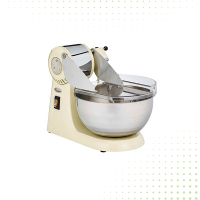
Planetary mixers and dedicated dough mixers can serve different roles within a professional food preparation area. A planetary mixer is typically selected for versatility across different mixing processes supported by the machine, while dedicated dough-mixing equipment may be selected when dough production represents a major part of the operation.
The correct choice depends on what you produce most frequently. A pastry kitchen preparing multiple mixtures may have different requirements from a bakery or pizza operation where dough represents most of the daily workload.
For dough-intensive businesses, compare the manufacturer's stated dough capacity and intended applications rather than selecting a mixer only according to nominal bowl volume.
Dough Mixer 40 Litre for Larger Production
Businesses searching for a dough mixer 40 litre are generally considering larger-capacity equipment for increased dough preparation requirements. Before selecting this capacity, calculate the actual dough quantity required per batch and how many batches are needed during peak production.
A 40-litre bowl does not automatically mean that the machine can process 40 kg of dough. Bowl volume and maximum dough capacity are different specifications, and the manufacturer's stated working capacity should always be checked for the individual model.
For bakeries and pizza businesses, the mixer should also be coordinated with the capacity of dividing, shaping, proofing, and baking stages to create a balanced production line.
Planetary Mixers for Bakeries & Pastry Production
Bakeries and pastry businesses often prepare several different products throughout the working day. A suitable commercial mixer can support this workflow when its capacity, attachments, and intended applications match the recipes being produced.
When planning equipment for a bakery, calculate the required batch sizes for the highest-volume products first. This provides a better basis for selecting mixer capacity than estimating requirements from total daily production alone.
Planetary Mixers for Restaurants, Hotels & Catering
Restaurants, hotels, and catering kitchens can require mixers for a broader range of preparation tasks. The appropriate machine should therefore be selected according to the actual menu, frequency of use, batch sizes, and supported applications of each model.
Hotels and catering operations should also account for peak production periods. A mixer that is sufficient for normal daily preparation may need to handle larger workloads during events, banquets, or high-demand service periods.
How to Choose a Planetary Mixer
Choosing a planetary mixer starts with understanding what the machine needs to prepare and how much product is required per batch.
• Application: identify the mixtures or products that will be prepared most frequently.
• Batch size: calculate the actual quantity required in each production cycle.
• Bowl capacity: compare 10L, 20L, 30L, and other available capacities according to your workload.
• Attachments: verify which attachments are supplied or supported by the individual model.
• Operating speeds: review the available settings according to the intended preparation processes.
• Dimensions: make sure the equipment fits the designated preparation area.
• Electrical requirements: check power, voltage, phase, and other connection specifications.
• Working capacity: verify the manufacturer's stated maximum capacity for the ingredients or dough being processed.
Plan Mixer Capacity Around Your Production Line
Mixer capacity should be coordinated with the rest of the production process. In a bakery, increasing mixing capacity without sufficient proofing or oven capacity can simply move the production bottleneck to the next stage.
Similarly, a restaurant or central kitchen should consider preparation, storage, mixing, processing, cooking, and service requirements together. Selecting equipment as part of a complete workflow can provide a more practical setup than choosing each machine independently.
Complete Your Professional Food Preparation Setup
Planetary and dough mixers form part of a wider professional food preparation workflow. Explore commercial food preparation equipment from Kawader to compare additional equipment for restaurants, bakeries, hotels, catering businesses, and central kitchens.
For bakery projects, you can also explore commercial bakery ovens and coordinate mixing capacity with the baking stage of your production line.
Planetary & Dough Mixers from Kawader
Kawader provides commercial food preparation equipment for bakeries, restaurants, hotels, cafés, catering operations, and professional kitchens in Saudi Arabia. Compare planetary and dough mixers according to bowl capacity, intended application, technical specifications, and production requirements.
Before purchasing a mixer, review the complete product specifications and manufacturer recommendations. Pay particular attention to the difference between nominal bowl volume and actual working capacity, especially when the equipment will be used for dough preparation.
Frequently Asked Questions About Planetary Mixers
What is a planetary mixer machine used for?
A planetary mixer machine can support different commercial mixing processes depending on its design, attachments, and manufacturer specifications. Always check the intended applications of the individual model.
Should I choose a planetary mixer 10L, 20L or 30L?
Choose according to your actual batch sizes, frequency of production, available workspace, and the manufacturer's maximum working capacity. Bowl volume alone should not determine the final choice.
What affects planetary mixer 20 litre price?
Price can vary according to construction, specifications, power, speeds, attachments, controls, brand, and intended workload. Compare the current prices of models that meet similar production requirements.
Is a planetary mixer suitable for dough?
Some planetary mixers can process dough, but suitability and maximum dough quantity depend on the individual machine. Check the manufacturer's stated applications and working capacity before use.
Does a dough mixer 40 litre mix 40 kg of dough?
Not necessarily. A 40-litre specification normally refers to bowl volume and should not be interpreted as a 40 kg dough capacity. Check the stated maximum dough capacity of the individual mixer.
-
 Power LineElectric Commercial Planetary Mixer - 20 LT From POWER LINESpecial Price 12,751.44 Regular Price 15,001.69
 -
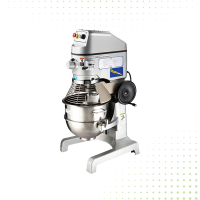 Power LineElectric Commercial Planetary Mixer - 28.39LT From POWER LINESpecial Price 22,649.54 Regular Price 26,646.51
 -
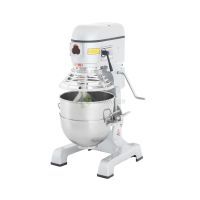 PiokitElectric Planetary Mixer – 40 Lt From PIOKITSpecial Price 8,658.70 Regular Price 10,186.70
 -
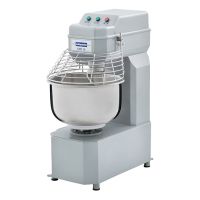 OZTIElectric Dough Kneading Mixer – 50Kg From OZTESpecial Price 13,992.91 Regular Price 16,462.25
 -
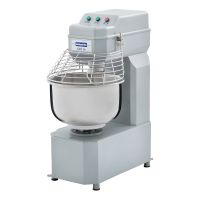 OZTIElectric Dough Kneading Mixer – 30KG From OZTISpecial Price 12,745.62 Regular Price 14,994.85
 -
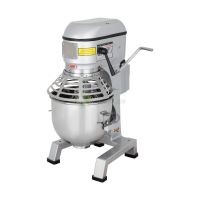 PiokitElectric Planetary Mixer – 20 Lt From PIOKITSpecial Price 5,366.38 Regular Price 6,313.39
 -
 SantosElectric Planetary Mixer – 10LT From SANTOSSpecial Price 10,431.01 Regular Price 12,271.77