Display Refrigerators
Display Refrigerator for Restaurants, Cafes, and Foodservice Businesses
A commercial display refrigerator combines refrigerated storage with product visibility, making it an important piece of equipment for cafes, bakeries, pastry shops, restaurants, supermarkets, hotels, convenience stores, and other foodservice businesses. Unlike standard back-of-house refrigeration, display refrigeration allows chilled products to remain visible to customers while being held within a refrigerated unit designed for commercial use.
Kawader provides display refrigeration solutions in Saudi Arabia for different foodservice applications. Depending on the business, a display unit can be used for cakes, desserts, pastries, packaged drinks, chilled foods, sushi, and other products that require refrigerated presentation.
Choosing the right display refrigerator depends on more than external dimensions. Businesses should consider the products being displayed, required temperature range, capacity, shelf configuration, access method, installation environment, and the amount of display space required for customers to see the products clearly.
Commercial Display Refrigerators
Commercial display refrigerators are designed for professional environments where products need to remain chilled while being presented to customers. They are available in several configurations, including countertop units, upright cabinets, cake displays, and specialized refrigerated showcases.
The appropriate configuration depends on how customers interact with the products. A cafe may place a cake display near the ordering counter, while a retail food business may use an upright display fridge to present packaged drinks and chilled products across several shelves.
Businesses should also consider whether access will be from the customer side, staff side, or both, depending on the design of the individual unit and the intended service workflow.
Cake Display Fridge for Cafes and Bakeries
A cake display fridge provides refrigerated presentation space for cakes, desserts, pastries, and other chilled products. These units are particularly useful in cafes, bakeries, pastry shops, hotels, and dessert businesses where visual presentation forms an important part of the purchasing experience.
When positioned near the ordering point, a cake display allows customers to see available products before making a selection. Shelf layout, internal lighting, glass visibility, and overall dimensions can therefore be important alongside refrigeration performance.
Before selecting a cake display fridge, measure the available counter or floor space and estimate the number and dimensions of cakes or desserts that need to be displayed during peak service.
Small Cake Display Fridge
A small cake display fridge can be practical for cafes, coffee shops, restaurants, and dessert businesses with limited floor or counter space. Rather than installing a large showcase, businesses can choose a compact unit that presents a focused range of products close to the point of sale.
Compact size should still be balanced with practical capacity. If the display is too small for peak demand, staff may need to refill it frequently from back-of-house refrigeration.
Before purchasing, compare the external dimensions with the usable internal display area. Shelf dimensions and spacing can be particularly important when displaying tall cakes, individual desserts, or products of different sizes.
Display Refrigerators for Pastry Shops
Pastry shops often rely heavily on presentation. Customers may make purchasing decisions after viewing cakes, slices, desserts, and other products inside the display, making refrigeration part of both food holding and merchandising.
A well-planned display refrigerator should allow products to be arranged clearly without overcrowding the shelves. Businesses should consider how many product categories need to be visible at the same time and how frequently stock will be replenished.
Display equipment should also fit naturally into the customer journey, allowing customers to view products without obstructing ordering, payment, or collection areas.
Display Refrigerator for Cafes and Coffee Shops
Cafes can use refrigerated displays for cakes, desserts, sandwiches, chilled snacks, and other products depending on the menu and the specifications of the unit.
Placement near the ordering counter can make additional products visible while customers choose drinks. For this reason, the design and size of the display should be considered alongside the layout of the coffee bar.
A smaller cafe may prefer a compact cake display fridge, while a larger coffee shop with an extensive food range may require a wider showcase or multiple refrigeration solutions.
Upright Display Fridge
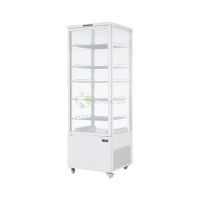
An upright display fridge provides refrigerated storage across vertical shelving while keeping products visible through glass doors or other transparent display areas, depending on the model.
This configuration can be useful for bottled and canned beverages, packaged foods, desserts, dairy products, and other chilled items appropriate for the temperature range of the selected refrigerator.
Using vertical space can provide significant display capacity without requiring the same floor width as some horizontal showcases. This makes upright units useful in cafes, convenience retail, restaurants, hotel outlets, and other businesses where floor space needs to be used efficiently.
Choosing an Upright Display Fridge
When selecting an upright display fridge, compare external dimensions, internal capacity, number of shelves, shelf adjustability, door configuration, temperature range, and electrical requirements.
The number and type of products displayed should guide the internal layout. Bottles and cans may require different shelf spacing from desserts or packaged meals.
Businesses should also account for door clearance and customer movement. A refrigerator positioned in a narrow aisle may create congestion when doors are opened, so installation should be planned around actual service conditions.
Upright Display Refrigerators for Drinks
Upright refrigerated displays are frequently used to present bottled and canned drinks. Vertical shelving makes it possible to organize beverages by type, size, or brand while keeping stock visible.
Restaurants and cafes can position these units in customer-facing areas where appropriate, while staff-operated outlets may install them behind the service counter.
Capacity should be calculated according to peak demand and refill frequency. A unit that holds enough stock to cover busy periods can reduce repeated trips to back-of-house storage.
Sushi Display Refrigerator
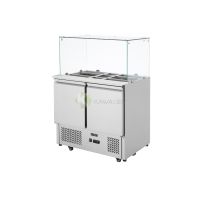
A sushi display refrigerator is a specialized refrigerated showcase intended for sushi and related food presentation according to the specifications of the individual model. These units are commonly associated with sushi bars, Japanese restaurants, hotel foodservice, and customer-facing preparation counters.
The low-profile design commonly found in this category can allow products to remain visible while fitting naturally onto a service or preparation counter.
Because sushi is a temperature-sensitive food, businesses should select equipment designed for the intended application and follow applicable food-safety requirements. The specified temperature range and operating instructions of each refrigerator should be reviewed before use.
Sushi Display Refrigerators for Restaurants
A restaurant using a sushi display refrigerator should plan its position in relation to the chef's preparation area and customer seating or service counter. The equipment should provide convenient staff access without disrupting food preparation.
Internal dimensions are also important. Businesses should consider the trays, plates, or containers used for product presentation and confirm that they fit the selected model.
Capacity should reflect service volume. Oversized displays can occupy valuable counter space, while insufficient capacity may require constant replenishment during busy periods.
Countertop Display Refrigerators
Countertop refrigerated displays can be useful when floor space is limited or when products need to be presented directly at the ordering or serving counter.
Depending on the model, these units can support the presentation of selected desserts, chilled products, or specialized foods. They can be particularly useful in compact cafes and food outlets where every section of the counter needs to serve a clear purpose.
Before installation, check the weight and dimensions of the unit and confirm that the supporting counter is suitable. Ventilation requirements should also be followed according to the manufacturer's instructions.
Display Refrigerator for Restaurants
Restaurants can use display refrigeration in different ways depending on their service model. A casual dining restaurant may use an upright unit for drinks, while a dessert-focused operation can place a refrigerated showcase near the entrance or ordering point.
Restaurants offering sushi or similar products may require specialized refrigerated display equipment rather than a general-purpose cabinet.
For each application, the refrigerator should be selected according to the product rather than appearance alone. Temperature requirements, capacity, access, and workflow all need to be considered.
Display Refrigerators for Hotels
Hotels may require refrigerated displays in cafes, pastry shops, restaurants, lounges, grab-and-go areas, breakfast service points, and other food and beverage outlets.
Different areas can require different equipment. A hotel pastry counter may use a large cake display fridge, while a grab-and-go outlet may benefit from upright refrigerated displays for packaged products and beverages.
Equipment should be selected according to the operating requirements of each outlet rather than using the same refrigeration configuration throughout the property.
Display Refrigerators for Bakeries
Bakeries that sell chilled cakes, desserts, or other refrigerated products can use display refrigerators to separate these items from ambient bakery products.
A refrigerated showcase can become a prominent part of the sales counter, so businesses should consider both capacity and presentation. Products should be easy for customers to see while staff retain practical access for serving and replenishment.
For businesses with a smaller chilled range, a small cake display fridge may provide sufficient capacity without occupying excessive sales space.
Choosing a Display Refrigerator by Product Type
The product is the first factor to consider when choosing a display refrigerator. Cakes and desserts have different presentation requirements from bottled beverages, while sushi requires equipment appropriate to that specific application.
Start by listing the products that will be stored in the display. Determine their dimensions, quantities, packaging, and required holding conditions. Then compare those requirements with the specifications of available refrigerators.
This approach prevents businesses from choosing a display based only on appearance and later discovering that the internal layout or operating range does not suit the intended products.
Choosing the Right Display Refrigerator Size
Display refrigerator size should be evaluated using both external and internal dimensions. External measurements determine whether the equipment fits the available location, while internal dimensions determine how much product can actually be displayed.
Measure the installation area before purchasing and consider doors, staff movement, customer circulation, ventilation clearance, and access for maintenance.
For cake displays, also consider the dimensions of complete cakes and trays. For upright units, shelf dimensions and spacing can affect usable capacity significantly.
Display Capacity and Peak Demand
Capacity should reflect the quantity of product that needs to remain available during busy periods. A display that requires constant replenishment can create additional work for employees and may leave shelves looking empty during peak service.
However, choosing an oversized display can consume unnecessary floor or counter space. The objective is to provide enough merchandising capacity while maintaining practical stock rotation.
Businesses should compare peak sales, replenishment frequency, and back-of-house refrigerated storage when determining the appropriate display size.
Glass and Product Visibility
Visibility is one of the main reasons to use display refrigeration. Glass surfaces allow customers to see products while the equipment provides the refrigerated environment specified for the unit.
When selecting a refrigerator, consider the viewing angle and how the equipment will be positioned relative to customers. A display intended for a front counter may require a different configuration from a refrigerator positioned against a wall.
Regular cleaning of glass surfaces is also important because fingerprints, condensation, and food residue can reduce product visibility.
Internal Lighting in Display Refrigerators
Internal lighting can improve product visibility, particularly in customer-facing displays. It can help cakes, desserts, drinks, and packaged foods remain easy to see throughout the service period.
Lighting design differs between models, so businesses should review product specifications when this feature is important to the merchandising concept.
The display should still be positioned with consideration for the surrounding lighting in the restaurant, cafe, or retail environment.
Shelf Configuration and Product Organization
Shelf design can significantly affect how much usable display space a refrigerator provides. Adjustable shelves can offer flexibility when product dimensions change, while fixed shelving may suit more standardized merchandise.
For an upright display fridge, shelf spacing should be planned around bottles, cans, containers, or packaged foods. In a cake display, businesses may need enough vertical clearance for taller desserts.
A clear product arrangement also makes it easier for customers to identify options and for staff to monitor stock levels.
Temperature Requirements for Display Refrigeration
Different chilled products can require different holding conditions, so the temperature range of the selected refrigerator should always be checked against its intended use.
Do not assume that every display refrigerator is suitable for every refrigerated product. A general beverage display, cake showcase, and sushi display refrigerator can be designed for different applications.
Businesses should follow manufacturer instructions and applicable food-safety requirements when setting up and operating refrigerated displays.
Ventilation and Installation
Commercial refrigeration equipment requires appropriate installation conditions. Ventilation requirements vary according to refrigeration system and product design, so the clearances specified by the manufacturer should be maintained.
A refrigerator should not be forced into a space that restricts required airflow. Installation conditions can affect equipment operation and service access.
Businesses should also consider surrounding heat sources. The final location should be planned as part of the wider kitchen, cafe, or retail layout.
Electrical Requirements
Before installing a commercial display refrigerator, check the voltage, power, phase, and connection requirements listed for the individual model.
The electrical supply should be prepared according to equipment specifications and applicable installation requirements. Larger commercial units may have different requirements from compact countertop models.
Planning electrical points before counters and furniture are finalized can make installation easier and reduce the need for later modifications.
Display Refrigerator Placement
The best location depends on how the equipment is used. Customer-facing displays should be positioned where products are easy to see without blocking queues or staff movement.
A cake display fridge can work well near the cafe ordering point, while an upright beverage display may be positioned where customers or staff can access drinks efficiently.
A sushi display should be integrated with the preparation and service counter so that staff can access products according to the intended workflow.
Display Refrigeration and Back-of-House Storage
A display refrigerator should not always be expected to hold the business's entire refrigerated inventory. Many operations combine customer-facing displays with larger back-of-house refrigerators.
This arrangement allows the display to focus on presentation while reserve stock remains stored separately. Staff can then replenish products according to sales and stock-rotation procedures.
When planning refrigeration capacity, calculate both display requirements and reserve storage rather than considering either area in isolation.
Cleaning a Display Refrigerator
Regular cleaning supports both foodservice hygiene and product presentation. Glass, shelves, doors, handles, and internal surfaces should be cleaned according to the manufacturer's instructions.
Spills should be addressed promptly, particularly in cake and dessert displays where creams, fillings, or other ingredients can contact shelving or trays.
Before cleaning internal or electrical components, staff should follow the correct shutdown and safety procedures for the equipment.
Maintaining Commercial Display Refrigerators
Commercial display refrigeration can operate for long periods each day, making regular inspection and maintenance important. Staff should monitor temperature performance and report unusual operating conditions.
Door seals, accessible ventilation areas, shelving, lighting, and other components should be maintained according to manufacturer recommendations.
If a refrigerator does not maintain the expected operating conditions, a qualified technician should inspect the equipment rather than relying on temporary adjustments.
How to Choose the Right Display Refrigerator
The right refrigerator should combine appropriate holding conditions with practical capacity and product visibility. Start with the food or beverages being displayed and work outward to determine the required configuration.
- Product type: Determine whether the unit will display cakes, desserts, beverages, packaged foods, sushi, or other chilled products.
- Temperature range: Confirm that the refrigerator is designed for the intended product.
- Configuration: Compare upright, countertop, cake display, and specialized units.
- Capacity: Calculate the amount of product required during peak periods.
- Shelving: Check shelf dimensions and spacing against product sizes.
- Visibility: Consider glass design, viewing angle, and internal lighting.
- Dimensions: Measure the installation area and required door or service clearances.
- Ventilation: Follow the manufacturer's installation requirements.
- Electrical supply: Confirm voltage and power requirements before installation.
- Workflow: Position the display according to customer and staff movement.
Buy Display Refrigerators in Saudi Arabia
Kawader provides commercial refrigeration solutions for restaurants, cafes, bakeries, pastry shops, hotels, and other foodservice businesses in Saudi Arabia. Businesses can compare display refrigeration equipment according to application, dimensions, capacity, configuration, and technical specifications.
Whether you need a display refrigerator for chilled products, a cake display fridge for a pastry counter, or an upright display fridge for beverages and packaged items, equipment should be selected according to the products being displayed and the requirements of the service area.
Specialized applications such as sushi should use appropriate equipment such as a sushi display refrigerator, with specifications matched to the intended foodservice operation and applicable holding requirements.
Choosing Display Refrigeration for Your Business
What is a display refrigerator used for?
A display refrigerator is used to keep suitable products refrigerated while allowing customers or staff to see them clearly. Applications can include cakes, desserts, packaged beverages, chilled foods, and other products according to the specifications of the refrigerator.
What should I look for when choosing a cake display fridge?
When selecting a cake display fridge, consider internal and external dimensions, shelf layout, temperature range, glass visibility, lighting, access, and the dimensions of the cakes and desserts you plan to display.
Is a small cake display fridge suitable for a cafe?
A small cake display fridge can be suitable for cafes with limited space or a focused dessert selection. Capacity should still be sufficient for peak service, and the internal shelf dimensions should accommodate the products being sold.
What is an upright display fridge used for?
An upright display fridge uses vertical shelving to provide refrigerated display capacity. Depending on the model and temperature specifications, it can be used for beverages, packaged foods, desserts, and other suitable chilled products.
Do I need a specialized refrigerator for sushi?
A sushi display refrigerator is specifically intended for sushi display applications according to the specifications of the individual model. Restaurants should choose refrigeration appropriate for the intended food and follow manufacturer instructions and applicable food-safety requirements.