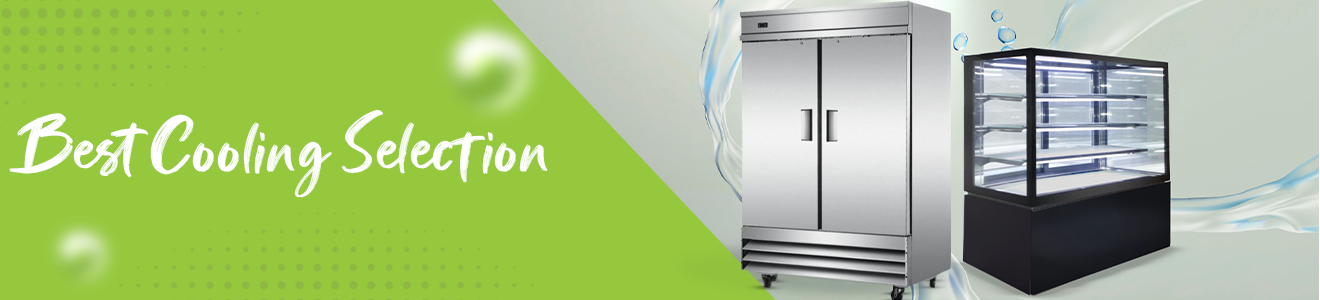
Cooling Equipment
Cooling Equipment for Restaurants & Professional Kitchens
Cooling equipment is an essential part of professional foodservice operations, supporting the refrigerated and frozen storage requirements of restaurants, cafés, hotels, bakeries, catering businesses, supermarkets, central kitchens, and other food businesses. Selecting the right equipment starts with understanding what needs to be stored, the required capacity, available space, and the workflow of the kitchen.
At Kawader, businesses can explore commercial refrigeration solutions for different food storage, preparation, display, and production requirements. The category includes refrigeration equipment designed for professional environments, allowing businesses to compare configurations according to capacity, dimensions, temperature specifications, door type, installation requirements, and intended application.
A complete refrigeration setup should be planned as part of the wider kitchen workflow. Ingredient receiving, refrigerated storage, food preparation, cooking, chilled holding, frozen storage, and service areas should work together without creating unnecessary movement or production bottlenecks.
Commercial Refrigeration for Foodservice Businesses
Commercial refrigeration covers equipment designed to support professional food and beverage operations. Unlike selecting refrigeration for a residential environment, businesses need to consider workload, storage volume, access frequency, available installation space, and the requirements of the products being stored.
Restaurants may require refrigerated storage close to preparation and cooking stations, while hotels and central kitchens may need larger storage capacity distributed across several production areas. Cafés, bakeries, and beverage businesses can have different requirements again depending on their ingredients and service model.
For this reason, commercial refrigeration should be selected according to the operation rather than simply choosing the largest available unit.
Commercial Refrigerator for Restaurants & Kitchens
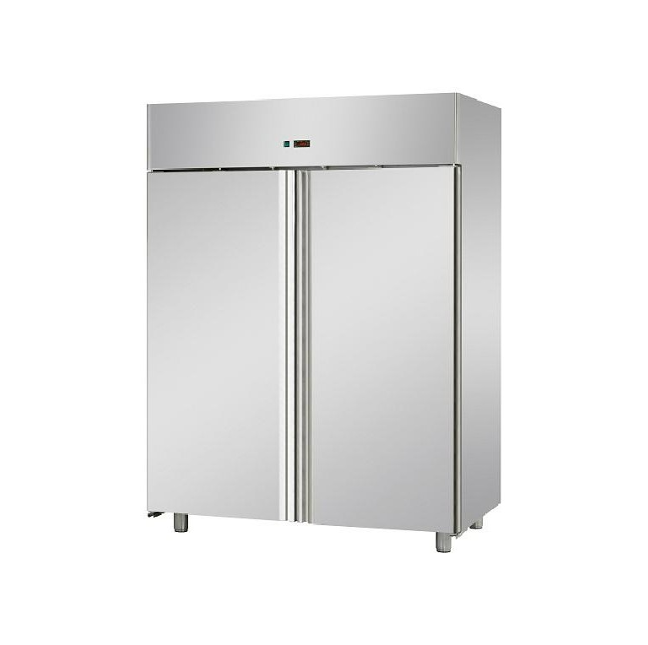
A commercial refrigerator provides refrigerated storage within a professional foodservice environment. Different configurations can be selected according to where the refrigerator will be positioned, how frequently products need to be accessed, and how much storage capacity the operation requires.
When comparing a commercial refrigerator, review its internal capacity, external dimensions, number and type of doors, temperature specifications, electrical requirements, shelving configuration, and other technical information provided for the individual model.
The location of the refrigerator is also important. Frequently used ingredients should be stored in a way that supports efficient movement between storage, preparation, and cooking stations.
Types of Commercial Cooling Equipment
Professional kitchens and food businesses can require several types of cooling equipment. Each configuration serves a different role, so the final equipment list should be based on the products being stored and the operational workflow.
Commercial Refrigerators
Commercial refrigerators can provide dedicated refrigerated storage for ingredients, prepared products, beverages, and other suitable items according to the operating specifications of each model. Businesses can compare different sizes, capacities, and door configurations based on their requirements.
Commercial Freezers
Commercial freezers support frozen storage requirements in restaurants, hotels, catering operations, bakeries, central kitchens, and other professional environments. Capacity and configuration should be selected according to inventory volume, product turnover, and available space.
Undercounter Refrigeration
Undercounter refrigeration can provide refrigerated storage close to active preparation or service stations while making efficient use of the available workspace. This configuration can be useful where quick ingredient access is important or where floor space needs to be managed carefully.
Display Refrigeration
Display refrigeration combines refrigerated storage with product visibility. Depending on the individual equipment, it can be considered for food and beverage businesses where customers or staff need clear visibility of the stored products.
Blast Chillers
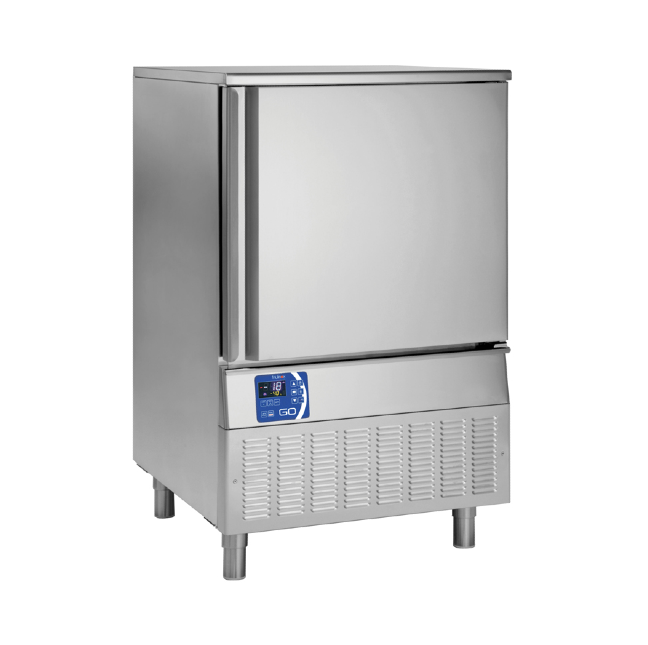
Blast chillers serve a different role from conventional refrigerated storage. They are designed for rapid temperature reduction as part of specific professional food production processes. Explore commercial blast chillers and compare available equipment according to tray configuration, capacity, cycle specifications, and production requirements.
Commercial Refrigerator vs Commercial Freezer
Commercial refrigerators and freezers are designed for different storage requirements. A refrigerator is intended for refrigerated storage within the operating range specified for the individual machine, while a freezer is designed for frozen storage according to its stated specifications.
Many professional kitchens require both. The correct balance depends on the menu, purchasing schedule, ingredient turnover, preparation process, and quantity of refrigerated and frozen inventory held by the business.
Upright vs Undercounter Commercial Refrigeration
Upright and undercounter refrigeration can support different areas of the same professional kitchen. Upright units can provide vertical refrigerated storage, while undercounter models can place frequently used ingredients closer to a preparation or cooking station.
For businesses with limited floor space, the decision should consider both storage capacity and accessibility. A larger refrigerator positioned far from the workstation is not always more practical than strategically positioned refrigerated storage closer to the point of use.
Solid Door vs Glass Door Commercial Refrigerator
Door configuration can affect how refrigeration equipment fits into the workflow. A glass door allows staff to see stored products before opening the cabinet, while a solid-door configuration may be preferred for other storage applications.
The right option depends on the location and intended use of the equipment. Businesses should compare the complete specifications of the individual refrigerator rather than selecting equipment according to door type alone.
How to Choose Cooling Equipment
Choosing cooling equipment starts with understanding what will be stored and how the equipment will be used throughout the working day. Capacity is important, but it is only one part of the selection process.
• Storage requirements: identify the products that require refrigerated or frozen storage.
• Capacity: calculate the amount of inventory normally held between deliveries.
• Temperature specifications: verify the operating range of the individual model against the intended application.
• Dimensions: measure the installation area and confirm that the equipment can be positioned correctly.
• Door configuration: compare solid and glass doors as well as the number of doors required for the workflow.
• Electrical requirements: check voltage, power, phase, and other connection specifications.
• Access: consider how frequently staff need to retrieve ingredients or products.
• Installation: follow the manufacturer's requirements for ventilation, clearance, positioning, operation, and maintenance access.
Choosing the Right Refrigeration Capacity
Commercial refrigeration capacity should reflect inventory requirements rather than simply the size of the kitchen. Consider the quantity of refrigerated and frozen products held between supplier deliveries, as well as seasonal or peak-demand requirements.
A business receiving frequent ingredient deliveries may have different storage requirements from a central kitchen purchasing larger quantities at a time. Menu size and ingredient variety can also affect the amount of refrigeration required.
Plan sufficient storage without unnecessarily increasing the equipment footprint within the kitchen.
Cooling Equipment for Restaurants
Restaurants should coordinate refrigeration with their menus and preparation stations. Ingredients required continuously during service may need to be positioned close to the relevant workstation, while bulk refrigerated or frozen inventory can be stored separately.
When planning a new restaurant, map the movement of ingredients from receiving and storage through preparation, cooking, and service. This helps determine where each commercial refrigerator or freezer should be positioned.
Cooling Equipment for Cafés & Beverage Businesses
Cafés and beverage businesses can require refrigeration for ingredients, prepared products, beverages, and other items according to their menus. Equipment selection should consider both storage volume and how frequently staff need access during service.
Compact commercial refrigeration can be useful around preparation stations, while larger units can support back-of-house inventory. The right combination depends on the size and workflow of the operation.
Commercial Refrigeration for Hotels & Catering
Hotels and catering businesses can have refrigeration requirements across several production and service areas. Main kitchens, preparation areas, event operations, and beverage stations may each require different equipment configurations.
For larger projects, calculate storage requirements by area rather than treating refrigeration as one combined capacity figure. This can improve access to ingredients while reducing unnecessary movement between workstations.
Commercial Refrigeration for Central Kitchens
Central kitchens require refrigeration that supports larger production workflows. Equipment capacity should be coordinated with receiving, preparation, cooking, chilling where applicable, storage, and distribution requirements.
A refrigeration bottleneck can limit the efficiency of the wider production line even when preparation and cooking equipment have sufficient capacity. For this reason, refrigerated and frozen storage should be planned alongside production volume and purchasing schedules.
Plan Commercial Refrigeration Around Kitchen Workflow
Efficient commercial refrigeration is not only about total storage volume. Equipment placement can have a major impact on how easily staff move ingredients through the kitchen.
Frequently used refrigerated ingredients can be positioned close to preparation and cooking areas, while bulk inventory can be kept in larger dedicated storage units. This approach allows refrigeration capacity to support the workflow rather than interrupt it.
For new kitchen projects, refrigeration planning should therefore take place alongside food preparation and cooking equipment selection.
Installation Considerations for Commercial Cooling Equipment
Before purchasing commercial cooling equipment, measure the installation space and review the technical requirements of the selected model. External dimensions are only one consideration; sufficient space may also be required according to the manufacturer's installation and ventilation instructions.
Verify the electrical requirements, operating conditions, door clearance, access for loading and unloading, and maintenance access before finalizing the equipment position.
Always follow the installation and operating instructions provided for the individual refrigeration unit.
Build a Complete Professional Kitchen with Kawader
Cooling equipment is one part of a complete professional kitchen. Explore commercial food preparation equipment for processing and preparation requirements, or browse commercial cooking equipment when planning the hot production line.
For businesses with dedicated ice requirements, commercial ice equipment can also be planned alongside the wider refrigeration and beverage workflow.
Commercial Cooling Equipment from Kawader
Kawader provides cooling equipment and commercial refrigeration for restaurants, cafés, hotels, bakeries, catering businesses, central kitchens, and professional foodservice projects in Saudi Arabia. Compare refrigeration equipment according to capacity, configuration, temperature specifications, dimensions, and installation requirements.
For an efficient setup, plan refrigeration according to the complete food workflow and actual storage requirements. Coordinating refrigerated and frozen storage with preparation, cooking, and service can create a more practical professional kitchen.
Frequently Asked Questions About Cooling Equipment
What is commercial cooling equipment?
Commercial cooling equipment includes professional refrigeration and freezing solutions used by restaurants, cafés, hotels, bakeries, catering operations, central kitchens, and other food businesses.
How do I choose a commercial refrigerator?
Consider storage capacity, temperature specifications, external dimensions, door configuration, electrical requirements, installation conditions, and how frequently staff need access to the stored products.
What is the difference between a commercial refrigerator and freezer?
A commercial refrigerator is designed for refrigerated storage, while a commercial freezer is designed for frozen storage. Always check the stated operating range and intended application of the individual equipment.
Is a blast chiller the same as a commercial refrigerator?
No. A blast chiller is designed for rapid temperature reduction as part of a production process, while a commercial refrigerator is primarily intended to maintain products under refrigerated storage conditions.
Where can I buy commercial refrigeration in Saudi Arabia?
Kawader provides commercial refrigeration and cooling equipment for restaurants, cafés, hotels, catering businesses, central kitchens, and professional foodservice projects in Saudi Arabia.