Heat Lamps and Warming Plates
Heating Lamp for Food in Restaurants and Commercial Kitchens
A heating lamp for food is a practical holding solution for restaurants, hotels, buffets, catering operations, cafes, and other foodservice businesses that need to keep prepared dishes warm between cooking and serving. Food heat lamps are commonly positioned over pass counters, serving stations, carving areas, and buffet displays where food needs short-term radiant heat before it reaches the customer.
Commercial heat lamps for food are available in different designs and configurations to suit various service environments. Depending on the model, businesses can choose single or multiple-lamp units, countertop or suspended configurations, and decorative designs intended for customer-facing areas.
At Kawader, businesses in Saudi Arabia can explore commercial food warming and holding solutions for professional kitchens and service areas. Choosing the right heat lamp for food depends on the type of food being held, required coverage area, installation position, service duration, and layout of the kitchen or buffet.
What Is a Food Heat Lamp?
A commercial heat lamp uses radiant heat directed toward food from above. Instead of reheating a dish after it has cooled, the lamp is generally used as part of a holding process between preparation and service.
This makes food heat lamps particularly useful around kitchen passes and pickup counters. Once a dish is completed, it can be placed beneath the lamp while waiting for the rest of an order or for service staff to collect it.
The exact holding conditions depend on the food, lamp design, distance between the heat source and food, and applicable food-safety requirements. A heat lamp should therefore be considered one part of a professional food holding system rather than a substitute for every type of hot holding equipment.
Heat Lamps for Food in Commercial Kitchens
Commercial kitchens can experience short delays between finishing a dish and delivering it to the table. During busy periods, several completed plates may be waiting at the pass while other components of an order are finished.
Heat lamps for food provide targeted radiant heat over this waiting area. They can help restaurants organize the transition between the cooking line and front-of-house service without requiring every plate to be returned to cooking equipment.
The lamp should be positioned according to the manufacturer's installation specifications so that the intended warming area receives appropriate coverage. The distance between the lamp and food is an important consideration because excessive or insufficient distance can affect warming performance.
Heat Lamp Food Warmer for Pass Counters
A heat lamp food warmer is commonly used over restaurant pass counters, where finished dishes are assembled and collected before service. This area can become one of the busiest points in the kitchen during peak periods.
Placing warming equipment over the pass can provide a dedicated short-term holding zone. The configuration should match the length and depth of the counter and the number of plates normally waiting during the busiest service periods.
Restaurants should also plan the lamp position around ticket rails, shelves, plating areas, and staff movement. The objective is to provide useful heat coverage without making the pass difficult for kitchen and service teams to use.
Food Heat Lamps for Restaurants
Restaurants can use food heat lamps in several locations depending on their service style. The kitchen pass is one of the most common applications, but lamps can also be used in selected carving, serving, or display areas where short-term warming is required.
For à la carte restaurants, the priority may be keeping plated dishes warm while an order is completed. Buffet restaurants can have different requirements because food may remain on display for longer periods and may require additional dedicated holding equipment.
Before selecting a lamp, determine exactly where it will be used and how long food is expected to remain beneath it. This makes it easier to choose an appropriate design and configuration.
Heating Lamp for Food in Hotels
Hotels can use a heating lamp for food across different foodservice operations, including restaurants, breakfast areas, banquet kitchens, carving stations, and event service.
A hotel kitchen handling large numbers of plates may need a broader warming area than a small restaurant. Banquet service can also create periods where multiple dishes are prepared in sequence before being dispatched to guests.
Equipment selection should therefore reflect the service point. Kitchen pass equipment can prioritize coverage and workflow, while customer-facing areas may place greater emphasis on both warming performance and appearance.
Heat Lamps for Buffet Service
Buffet areas often combine several types of food holding equipment. Depending on the menu, businesses may use heated displays, chafing equipment, bain-marie systems, warming surfaces, and overhead heat sources.
Heat lamps for food can provide overhead radiant heat for selected buffet or carving applications. However, businesses should determine whether a lamp alone provides the required holding conditions for a particular dish and service duration.
Food safety requirements should always guide the final holding setup. Equipment should be selected and operated according to the food being served and the required temperature controls.
Decorative Heat Lamp for Customer-Facing Areas
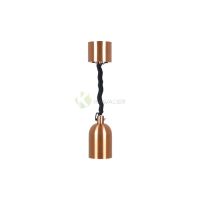
A decorative heat lamp combines a warming function with a design intended to fit visible foodservice areas. These lamps can be considered for buffet counters, carving stations, open kitchens, hotel dining areas, and other locations where customers can see the equipment.
Decorative models can help businesses maintain a coordinated appearance across the serving counter while providing localized radiant heat. Different designs may suit modern, classic, industrial, or other interior concepts depending on the available products.
Appearance should not be the only selection criterion. The lamp must still be appropriate for the intended foodservice application, installation method, required coverage, and operating environment.
Decorative Heat Lamps for Restaurants and Hotels
Open kitchens and visible service counters have made equipment appearance an important consideration for many hospitality businesses. A decorative heat lamp can be incorporated into these environments without giving the serving area the appearance of a back-of-house workstation.
Hotels may use decorative lamps around carving or buffet stations, while restaurants can integrate them into open pass counters or display areas. The correct configuration depends on the counter dimensions and interior design.
Businesses should also check installation height, electrical requirements, controls, and lamp specifications before incorporating decorative warming equipment into a new counter.
Single Heat Lamp for Food
A single heat lamp for food provides a focused warming point and can be suitable for smaller service areas or specific dishes. It may also be useful where several independent warming zones are preferred instead of one larger unit.
Single lamps can be positioned according to the layout of the service area, subject to the installation requirements of the individual model. They can also provide a clean appearance for selected customer-facing counters.
When comparing single lamps, review the intended coverage area rather than assuming that one lamp will be sufficient for an entire counter.
Multiple Food Heat Lamps
Multiple-lamp configurations can provide a broader warming area for larger pass counters, buffet stations, or service areas. They can be useful when several plates or food containers need to remain within the heated zone at the same time.
The number of lamps required depends on counter dimensions and the coverage provided by each unit. Lamp spacing should follow the manufacturer's installation recommendations.
For large operations, several independent lamps can also offer flexibility by allowing warming zones to be arranged around different sections of the service counter.
Suspended Heat Lamps for Food
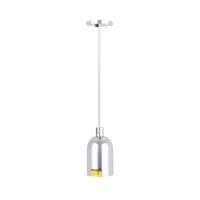
Suspended heat lamps for food can be installed above serving counters and other food holding areas. This configuration helps keep the work surface clear while directing heat from above.
Installation planning is particularly important for suspended equipment. Ceiling height, mounting points, electrical connections, counter height, and required distance from the food should all be considered before installation.
If the lamp is installed in a customer-facing area, cable management and overall visual integration should also form part of the design.
Countertop Heat Lamp Food Warmer
A countertop heat lamp food warmer can be useful where a fixed overhead installation is not practical or where the warming station needs to be positioned directly on a work surface.
Countertop models should be selected according to the available surface area and the dimensions of the plates, trays, or food containers placed beneath the lamp.
Businesses should ensure that the equipment does not interfere with staff movement or reduce the usable counter area required for plating and service.
Heat Lamp for Food vs Heated Holding Equipment
A heat lamp for food and an enclosed heated holding cabinet perform different functions. Heat lamps provide localized radiant heat from above, making them particularly useful for short-term holding at a pass or serving counter.
Heated cabinets are designed to create a controlled holding environment for larger quantities of prepared food. They can be more appropriate where food must be held before service for a longer period or where multiple trays need to be stored.
Many professional kitchens use both types of equipment. A heated cabinet can hold prepared batches, while a heat lamp supports the final stage between plating and serving.
Heat Lamps and Heated Display Equipment
Food heat lamps should also be distinguished from heated display cases. A heated showcase can provide an enclosed or partially enclosed merchandising area where customers can see prepared products, while a lamp delivers radiant heat to an exposed area beneath it.
Cafes, bakeries, convenience food operations, and buffet restaurants should choose between these solutions according to how the product is displayed and how long it needs to be held.
For some operations, several types of food warming equipment can be combined to create different holding zones.
Choosing a Heating Lamp for Food by Coverage Area
Coverage is one of the most important factors when selecting a heating lamp for food. The warming zone should correspond to the dimensions of the pass, tray, carving board, or serving area beneath the equipment.
A small lamp positioned over a large counter may leave some food outside the effective warming zone. Conversely, oversized equipment may use unnecessary space or be unsuitable for the layout.
Measure the intended holding area and compare it with the specifications and installation guidance of the available models before making a selection.
Installation Height and Heat Lamp Performance
The distance between a heat lamp and the food can affect how radiant heat reaches the product. Installation should therefore follow the height and clearance requirements specified for the individual model.
Placing a lamp too far from the holding area can reduce its effectiveness, while incorrect positioning too close to food may create undesirable heating conditions. The appropriate distance depends on the design and power of the equipment.
For fixed installations, determine the final counter height and serving setup before selecting mounting points.
Planning Heat Lamps Around the Kitchen Pass
A restaurant pass connects the cooking line with service staff, making layout particularly important. Food heat lamps should provide warming coverage without obstructing plating, communication, order tickets, or plate collection.
Start by determining how many completed plates normally accumulate during peak periods. Then calculate the length of counter required and identify the area that needs overhead heat.
If several chefs use the pass simultaneously, the layout should provide enough working space so that the warming equipment supports the workflow instead of creating congestion.
Heat Lamps for Carving Stations
Carving stations in hotels, buffets, restaurants, and event venues can use overhead warming equipment as part of the service setup. A decorative heat lamp can be especially suitable where the station is visible to guests.
The equipment should be positioned so that it provides useful coverage while leaving sufficient working room for the employee responsible for carving and serving.
Depending on the food and service format, additional hot holding equipment may also be required. Food safety procedures should determine how products are held throughout the service period.
Heat Lamps for Catering and Events
Catering operations often need to create temporary serving and holding stations in different venues. Food warming requirements can vary significantly depending on whether meals are plated in a temporary kitchen, served from a buffet, or prepared at live stations.
Where appropriate, heat lamps for food can support selected service areas. The equipment configuration should reflect the venue, electrical access, counter design, and required warming area.
Portable or countertop configurations can be relevant for some applications, while permanent venues may be better suited to fixed installations.
Choosing Heat Lamps for High-Volume Restaurants
High-volume restaurants should plan warming equipment around their busiest service period. If dozens of plates pass through the pickup counter within a short time, the warming area needs enough space and coverage to support this workflow.
The length of the pass, average number of waiting plates, and typical holding time can help determine how many lamps or how much warming coverage is required.
It is also important to consider whether one continuous warming zone or several separate zones will work better for the kitchen's organization.
Heat Lamp Food Warmer for Cafes and Quick-Service Operations
Cafes and quick-service restaurants may also use a heat lamp food warmer where selected prepared items need short-term warming before collection or serving.
The equipment should be matched to the products and service method. A compact warming area may be sufficient for a small pickup counter, while a higher-volume operation can require broader coverage.
When space is limited, measure both the equipment footprint and the surrounding working area before choosing a model.
Food Quality and Heat Lamp Use
Heat lamps are intended to support holding, but the effect on different foods can vary. Product characteristics, holding duration, lamp intensity, and distance from the heat source can all influence the result.
For this reason, restaurants should establish appropriate service procedures for each menu item rather than leaving food under a lamp indefinitely. A heat lamp should support efficient service, not replace proper production scheduling.
Combining suitable equipment with organized communication between kitchen and service teams can reduce unnecessary waiting at the pass.
Food Safety and Commercial Heat Lamps
Food safety requirements remain essential when using any warming equipment. A heating lamp for food should be incorporated into a holding process that complies with applicable temperature and time requirements.
The presence of a lamp alone does not guarantee that every type of food is being held at the required temperature. Businesses should use appropriate monitoring procedures and additional holding equipment where necessary.
Staff should be trained on the role of the heat lamp within the kitchen's food safety system and understand when products must be moved, served, or discarded according to established procedures.
Cleaning Food Heat Lamps
Foodservice equipment installed above preparation and serving areas requires regular cleaning. Grease, steam, dust, and food residue can accumulate on lamp housings and surrounding surfaces over time.
Before cleaning a heat lamp, follow the manufacturer's instructions regarding switching off, cooling, and isolating the equipment from the power supply. Components should only be removed where the product instructions permit it.
Cleaning schedules should reflect the location of the lamp. Equipment positioned close to cooking lines may require more frequent attention than lamps installed in lower-grease buffet environments.
Maintaining Commercial Food Heat Lamps
Regular inspection helps identify issues with commercial warming equipment before they interfere with service. Staff should monitor lamp operation, switches, cables, mounting points, and other accessible components according to the manufacturer's recommendations.
If a lamp stops heating correctly or develops an electrical problem, it should be inspected by an appropriately qualified technician. Businesses should not continue using damaged equipment in a commercial service environment.
For fixed or suspended installations, mounting hardware should also remain secure and appropriate for the installation.
How to Choose the Right Heat Lamp for Food
Choosing the right commercial heat lamp starts with the application. A kitchen pass, carving station, buffet, and customer-facing service counter can each require a different configuration.
- Application: Determine whether the lamp is for a kitchen pass, buffet, carving station, display, or another service area.
- Coverage: Measure the area that needs radiant heat.
- Configuration: Compare single, multiple, countertop, and suspended options according to the available layout.
- Installation height: Follow the manufacturer's recommended distance and clearance requirements.
- Appearance: Consider a decorative heat lamp for customer-facing areas where equipment design is important.
- Electrical requirements: Check voltage, power, and installation requirements for the individual model.
- Workflow: Make sure the lamp does not obstruct plating, serving, or staff movement.
- Food holding requirements: Determine whether additional heated holding equipment is needed for the intended food and service duration.
Buy Heating Lamps for Food in Saudi Arabia
Kawader provides commercial food holding and warming equipment for restaurants, hotels, cafes, catering businesses, buffets, and professional kitchens in Saudi Arabia. Businesses can explore different warming solutions according to their kitchen and service requirements.
When choosing a heating lamp for food, compare the configuration, dimensions, installation requirements, warming coverage, and intended application of each model. Restaurants can select equipment for pass counters and pickup areas, while hotels and buffet operations can consider solutions for carving and visible service stations.
Whether you need heat lamps for food in a busy restaurant kitchen, a heat lamp food warmer for a serving counter, or a decorative heat lamp for a customer-facing area, the right equipment should be selected around the size and workflow of the food holding station.
Choosing Food Heat Lamps for Your Service Area
What is a heating lamp for food used for?
A heating lamp for food provides radiant heat over a defined holding area and is commonly used at restaurant passes, pickup counters, carving stations, and selected buffet areas. It is generally intended to support short-term holding between preparation and service.
How do I choose the right heat lamp for food?
Measure the warming area and consider installation height, lamp configuration, electrical requirements, service duration, and workflow. The selected heat lamp for food should provide appropriate coverage without obstructing staff or customers.
What is the difference between a heat lamp and a food warmer?
A heat lamp provides radiant heat from above, while other food warmers can use heated surfaces, enclosed cabinets, water baths, or other methods. A heat lamp food warmer is particularly useful for localized short-term holding, while other equipment may be more appropriate for longer holding periods or larger quantities.
Can decorative heat lamps be used in restaurants and hotels?
Yes. A decorative heat lamp can be suitable for visible foodservice areas such as carving stations, buffets, open kitchens, and serving counters, provided the model is designed for the intended commercial food warming application and installed according to its specifications.
Are food heat lamps suitable for buffet service?
Food heat lamps can form part of a buffet or carving station, but the complete holding setup must meet the requirements of the food being served. Depending on the product and service duration, additional hot holding equipment and temperature monitoring may be necessary.