Ice Equipment
Ice Crusher Machine & Commercial Ice Equipment
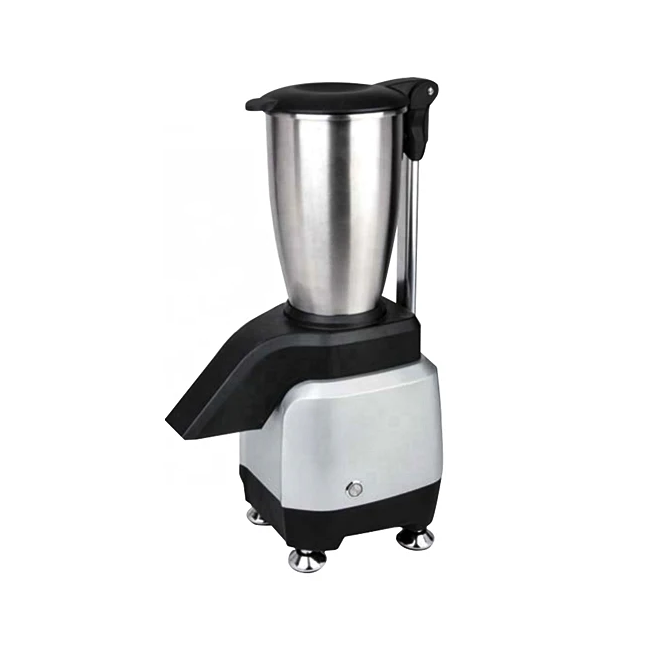
An ice crusher machine is an important part of many professional beverage operations where larger pieces of ice need to be processed into a form suitable for the intended drink or serving application. Restaurants, cafés, juice shops, hotels, catering businesses, and other foodservice operations can combine ice crushing with commercial ice production to create a complete ice preparation workflow.
At Kawader, businesses can explore professional ice equipment for different production and service requirements. The right setup may include an ice maker machine for producing ice, an ice crusher for processing it, and other equipment according to the menu and operational needs of the business.
Equipment should be selected according to actual peak demand rather than category alone. Production capacity, processing capacity, ice type, storage requirements, dimensions, electrical specifications, water requirements where applicable, and available installation space should all be considered when planning an ice station.
Commercial Ice Crusher for Restaurants & Beverage Businesses
A commercial ice crusher is designed for professional operations that require regular ice processing as part of beverage preparation or service. The required machine capacity depends on how much crushed ice the business uses during its busiest periods and how quickly staff need to prepare it.
For a restaurant with selected cold drinks, ice-crushing demand may be relatively limited. A dedicated juice, beverage, or high-volume service operation may require greater processing capacity. Comparing equipment against actual peak demand helps prevent both insufficient capacity and unnecessary oversizing.
Ice Crusher Machine vs Ice Maker Machine
An ice crusher machine and an ice maker machine perform different functions. An ice maker produces ice, while an ice crusher processes existing ice into a different physical form according to the capability of the selected machine.
Businesses that require both functions should plan them as connected stages. The ice maker needs enough production capacity to support daily consumption, while the crusher needs enough processing capacity to handle demand during service.
This distinction is particularly important when planning equipment for juice shops, cafés, restaurants, hotels, and beverage concepts where ice consumption can increase considerably during peak service.
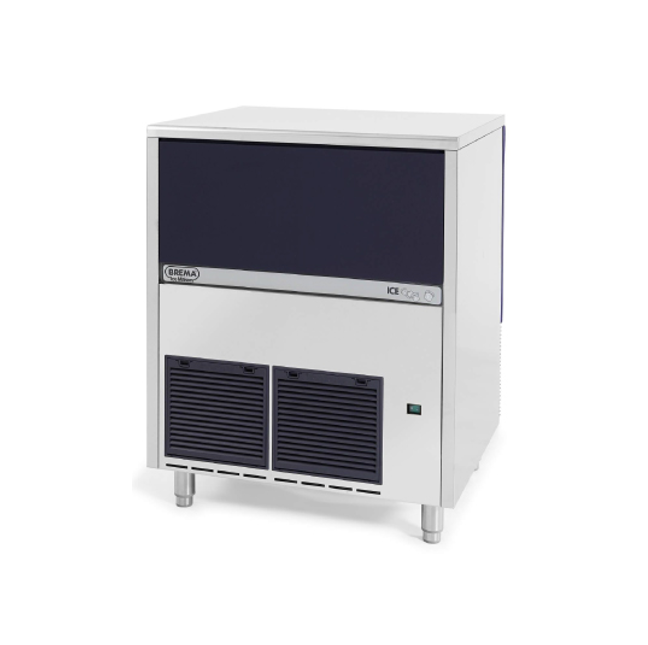
Ice Maker Machine for Professional Foodservice
An ice maker machine provides a dedicated source of ice for professional foodservice operations. Different models can vary significantly in daily production capacity, storage configuration, ice characteristics, dimensions, utilities, and installation requirements.
When comparing ice makers, start with expected ice consumption. Consider normal daily demand as well as peak periods when several drinks or foodservice applications require ice at the same time.
Production capacity and storage capacity should also be evaluated separately. A machine's stated production output does not automatically indicate how much finished ice can be stored at one time.
Scotsman Ice Maker
Businesses searching for a Scotsman ice maker may be comparing professional ice-making equipment by brand as well as by production requirements. When evaluating a commercial ice maker, the individual model specifications should remain the primary basis for equipment selection.
Check production capacity, storage configuration where applicable, ice characteristics, dimensions, electrical specifications, water requirements, and installation conditions for the specific model. Current models and availability should be confirmed from the relevant product listings rather than assuming that all ice makers from one manufacturer have the same specifications.
Choosing an Ice Crusher
Selecting an ice crusher starts with understanding how crushed ice is used within the operation. Different businesses can have very different requirements depending on their menus and service volumes.
• Processing capacity: estimate how much ice needs to be crushed during peak service.
• Input requirements: verify the type and size of ice accepted by the selected machine.
• Output: review the type of processed ice produced by the individual model.
• Dimensions: make sure the machine fits the designated preparation area.
• Electrical requirements: check voltage, power, phase, and connection specifications.
• Workflow: position the crusher appropriately in relation to ice production, storage, beverage preparation, and service.
Choosing a Commercial Ice Maker
Commercial ice production should be planned according to consumption rather than simply choosing the machine with the largest production figure. A suitable setup balances production, storage, installation space, and the pattern of ice usage throughout the working day.
• Daily demand: estimate total ice consumption during a normal operating day.
• Peak demand: identify periods when consumption is significantly higher.
• Production: compare required output with the stated capacity of suitable machines.
• Storage: check the available or required storage-bin configuration.
• Ice characteristics: choose according to the intended application and individual machine specifications.
• Installation: verify water, drainage, electrical, clearance, and other requirements for the selected equipment.
Ice Equipment for Juice Shops
Juice shops can have particularly high ice requirements because ice may form part of several drinks prepared throughout the day. Ice production and processing should therefore be planned alongside the wider beverage preparation station.
A juice business may use an ice maker for production and an ice crusher for selected drinks while relying on separate equipment for extracting or preparing the beverages themselves. Keeping these functions separate makes it easier to select each machine according to its actual workload.
Sugarcane Juice Machine & Commercial Ice Equipment
A sugarcane juice machine is separate beverage-processing equipment and should not be confused with an ice maker or ice crusher. However, businesses serving sugarcane juice and other cold beverages may require both juice-processing and ice equipment within the same overall service setup.
When planning this type of business, consider the complete workflow: juice extraction, ice production, ice processing where required, refrigerated storage, drink assembly, and customer service. Each stage should have enough capacity to support expected peak sales.
Sugar Cane Juice Machine & Ice Station Planning
Businesses researching a sugar cane juice machine can also evaluate their supporting cold beverage requirements at the project-planning stage. The juice machine itself should be selected according to its own extraction specifications, while ice equipment should be sized according to the volume of ice required by the menu.
Keeping these requirements separate avoids choosing ice equipment based solely on the capacity of the juice machine. Customer demand, drink size, menu mix, operating hours, and peak service periods can all influence actual ice consumption.
Ice Equipment for Restaurants & Cafés
Restaurants and cafés may require ice for cold beverages and other suitable foodservice applications. The correct equipment configuration depends on the menu and how much ice is consumed during service.
A business that primarily needs ready-made ice may focus on ice production and storage, while an operation that regularly serves drinks requiring processed ice may also need a commercial ice crusher. Planning around the menu helps determine which equipment is actually required.
Ice Equipment for Hotels & Catering
Hotels and catering businesses can require ice across several service areas and at different times of day. Equipment capacity should therefore be calculated around operational demand rather than a single service point.
For larger projects, businesses may need to evaluate multiple machines, separate storage, or dedicated ice-processing stations. The appropriate configuration depends on how ice moves from production to storage, preparation, and final service.
Planning Ice Production & Storage Capacity
Production and storage are two separate parts of an ice operation. Production capacity indicates how much ice an ice maker can produce under its stated operating conditions, while storage capacity indicates how much produced ice the applicable storage section can hold.
A high-output machine with insufficient storage for the service pattern may not provide the ideal workflow. Similarly, a large storage bin does not compensate for an ice maker that cannot produce enough ice to meet daily demand. Both should be planned together.
Plan Your Commercial Ice Station
A professional ice station should be planned around the complete movement of ice through the business. This starts with production and can include storage, crushing or other processing, beverage preparation, and final service.
Measure the available installation space and review the technical requirements of each selected machine. Ice makers can require water, drainage, electrical connections, and suitable installation conditions, while ice crushers may have separate electrical and workspace requirements.
Always follow the individual manufacturer's instructions for installation, operation, cleaning, and maintenance.
Complete Your Beverage Equipment Setup
Commercial ice equipment can be combined with other professional beverage solutions according to the menu and business concept. Explore commercial ice makers when comparing dedicated ice-production equipment for your operation.
You can also explore commercial beverage equipment from Kawader when planning a wider juice, cold beverage, restaurant, café, or hotel service station.
Commercial Ice Equipment from Kawader
Kawader provides professional ice equipment for restaurants, cafés, juice shops, hotels, catering businesses, and foodservice projects in Saudi Arabia. Businesses can compare ice crushers, ice makers, and related equipment according to capacity, specifications, dimensions, and installation requirements.
For a complete project, calculate ice requirements according to actual peak demand and coordinate production, storage, processing, and service capacity. This creates a stronger basis for selecting the appropriate equipment for your operation.
Frequently Asked Questions About Commercial Ice Equipment
What does an ice crusher machine do?
An ice crusher machine processes existing ice into a different form according to the design and specifications of the individual machine. It does not replace an ice maker unless a specific machine is designed to perform both functions.
What is the difference between an ice crusher and an ice maker machine?
An ice maker machine produces ice, while an ice crusher processes ice that has already been produced. Businesses may require one or both depending on their menu and service requirements.
How do I choose a commercial ice crusher?
Compare processing capacity, supported ice input, output characteristics, dimensions, electrical specifications, and expected peak demand. The selected machine should also fit naturally into the beverage preparation workflow.
Is a sugarcane juice machine part of ice equipment?
No. A sugarcane juice machine is beverage-processing equipment rather than ice equipment. A juice business may use it alongside an ice maker or ice crusher as separate parts of the same beverage operation.
Where can I buy commercial ice equipment in Saudi Arabia?
Kawader provides commercial ice equipment for restaurants, cafés, juice shops, hotels, catering businesses, and professional foodservice projects in Saudi Arabia. Compare available equipment according to your required production, processing, and storage capacity.