Automatic Espresso Machines
Commercial Automatic Espresso Machines for Cafés & Restaurants
Commercial automatic espresso machines are central to many cafés, restaurants, hotels, bakeries, and hospitality businesses serving espresso-based beverages throughout the day. They provide a structured brewing workflow and can help teams maintain more consistent operating procedures during busy service periods.
Kawader offers a broad selection of commercial automatic espresso machines across Saudi Arabia, including 1-group, 2-group, and 3-group configurations for different coffee service volumes.
What Is a Commercial Automatic Espresso Machine?
An automatic commercial espresso machine provides programmable control over selected parts of the extraction process, depending on the model.
On many machines, the barista can start a programmed extraction dose and allow the machine to stop the water flow according to the selected setting.
Automation levels vary between individual machines, so businesses should review the controls and programmable functions of each model before purchasing.
Automatic vs Semi-Automatic Espresso Machines
The primary difference is the level of operator involvement during extraction.
Automatic espresso machines can provide programmable control over selected extraction functions, while semi-automatic models typically require the barista to take greater control over starting and stopping the shot.
Businesses that want to compare both operating styles can explore Kawader's semi-automatic espresso machines.
1-Group Automatic Espresso Machines
Single-group commercial espresso machines can suit smaller cafés, restaurants, hotels, or beverage stations with limited to moderate espresso demand.
A compact group configuration can reduce the required counter footprint, but businesses should still compare boiler capacity, power requirements, steaming performance, and expected peak-hour demand.
2-Group Automatic Espresso Machines
Two-group espresso machines are widely used in commercial coffee environments where multiple drinks need to be prepared during busy service periods.
Two brewing groups can allow more than one extraction to take place at the same time, depending on the workflow and machine design.
This configuration can suit cafés, restaurants, and hotel coffee stations where a single-group machine may not provide enough working capacity.
3-Group Automatic Espresso Machines
Three-group espresso machines provide a larger working area for higher-volume commercial coffee operations.
Kawader's espresso machine range includes automatic 3-group models from Astoria in different designs and finishes.
Businesses should choose this configuration only when expected demand, staff numbers, grinder capacity, and available counter space justify the larger machine.
How Many Groups Does Your Coffee Shop Need?
Start by estimating the number of espresso-based beverages prepared during the busiest hour of operation.
Also consider how many baristas will operate the machine simultaneously. A larger number of groups provides additional brewing positions, but it does not automatically guarantee faster service.
Grinding, milk preparation, order organisation, cup handling, and staff workflow all influence total beverage output.
Automatic Espresso Machines for High-Volume Cafés
High-volume coffee shops require equipment that works together as one production system.
The espresso machine should be paired with suitable commercial coffee grinders capable of supporting the required number of espresso doses during peak service.
Milk pitchers, refrigerated ingredients, cups, and preparation tools should also be positioned close to the espresso machine to minimise unnecessary staff movement.
Choosing the Right Coffee Grinder
The grinder is a critical part of the espresso workstation. It must provide a grind suitable for espresso while keeping up with the required dose volume.
Pairing a high-capacity espresso machine with an undersized grinder can create a bottleneck that limits the overall speed of the coffee station.
Build a Complete Commercial Coffee Station
Automatic espresso machines can be combined with other commercial coffee equipment, including grinders, milk pitchers, water boilers, brewing accessories, and serving tools.
Commercial refrigeration equipment can support milk and chilled ingredient storage close to the workstation.
Businesses serving iced coffee can also integrate commercial ice equipment into the beverage preparation area.
Automatic Espresso Machines for Restaurants & Hotels
Commercial espresso equipment is used beyond dedicated coffee shops. Restaurants, hotels, bakeries, and hospitality venues can also require professional espresso machines to support their beverage menus.
Machine capacity should reflect how coffee is served within the business, including whether demand is spread throughout the day or concentrated during breakfast and other peak periods.
Boiler Capacity & Electrical Requirements
Boiler capacity and electrical power affect how a commercial espresso machine supports brewing, steaming, and hot water functions according to its design.
Businesses should review wattage, voltage, phase, and boiler specifications before purchasing and confirm that the site infrastructure can support the selected machine.
Planning Espresso Machine Installation Space
Measure counter width and depth before purchasing a machine, then allow additional space for operation, maintenance, and utility access.
Height should also be checked where shelves or cabinets are positioned above the coffee station.
The barista should have sufficient clearance to insert and remove portafilters and use milk pitchers without obstruction.
Water Quality & Espresso Equipment
Commercial espresso machines should be operated using water that meets the manufacturer's requirements.
Water quality and mineral deposits can affect internal components and boiler performance over time, so appropriate filtration and water treatment requirements should be reviewed during the project planning stage.
Key Features Before Buying an Automatic Espresso Machine
- Number of brewing groups.
- Automation level and control system.
- Programmable dosing functions where available.
- Boiler capacity.
- Number of steam wands.
- Hot water outlet configuration.
- Electrical power requirements.
- Voltage and phase.
- Width, depth, and height.
- Machine weight and counter requirements.
- Water and drainage requirements.
- Cleaning and maintenance accessibility.
- Compatibility with expected daily volume.
Who Uses Commercial Automatic Espresso Machines?
- Specialty and commercial coffee shops.
- Restaurants.
- Hotels and resorts.
- Bakeries and pastry shops.
- Corporate coffee stations.
- Hospitality venues.
- Medium and high-volume coffee businesses.
- Locations with multiple baristas.
Why Choose Automatic Espresso Machines from Kawader?
Kawader supplies commercial automatic espresso machines for cafés, restaurants, hotels, and hospitality businesses across Saudi Arabia, with different group configurations and machine designs for different operating requirements.
Businesses can also complete their coffee stations with commercial grinders, milk pitchers, hot water equipment, refrigeration, ice machines, and other coffee preparation equipment available from Kawader.
Frequently Asked Questions About Automatic Espresso Machines
What is an automatic espresso machine?
It is an espresso machine that provides programmable control over selected extraction functions according to the model, helping standardise parts of the brewing workflow.
What is the difference between automatic and semi-automatic espresso machines?
Automatic machines provide more programmed control over selected extraction functions, while semi-automatic machines generally require greater operator control during the shot.
Is a 1-group espresso machine suitable for a small café?
It can be suitable when expected peak-hour demand matches the machine's capacity. Boiler size, steaming requirements, and grinder capacity should also be considered.
When should I choose a 2-group espresso machine?
A 2-group machine can suit operations that need to prepare multiple espresso shots simultaneously and handle higher demand than a single-group station.
What is the benefit of a 3-group espresso machine?
It provides additional brewing positions for higher-volume operations, provided the business has sufficient demand, workspace, staff, and grinder capacity.
Does a commercial espresso machine require a direct water connection?
Installation requirements vary by model. Businesses should review each machine's water and drainage specifications before preparing the installation site.
Does an automatic espresso machine need a separate grinder?
Most traditional commercial espresso machines require a suitable espresso grinder, and grinder output should match the expected beverage volume.
Does Kawader supply automatic espresso machines for coffee shops?
Yes. Kawader offers commercial automatic espresso machines in different group configurations, including selected 1-group, 2-group, and 3-group models.
-
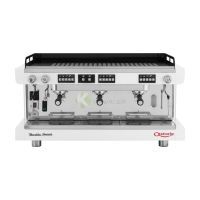
 Astoria2 Raised Groups Auto Pratic Avant Espresso Machine - From ASTORIA - WhiteSpecial Price 19,071.03 Regular Price 22,436.50 Out of stock
-
 Astoria3 Raised Groups Auto Pratic Avant Extra Espresso Machine - From ASTORIA - BlackSpecial Price 20,039.82 Regular Price 23,576.25 Out of stock
-
 Astoria1 Raised Group Tanya Semi Automatic Espresso Machine - From ASTORIA - BlackSpecial Price 9,868.30 Regular Price 11,609.77 Out of stock
-
 Astoria1 Raised Group Tanya Semi Automatic Espresso Machine - From ASTORIA - RedSpecial Price 9,868.30 Regular Price 11,609.77 Out of stock
-
 AstoriaAutomatic Espresso Machine - 2 Groups From ASTORIA – WhiteSpecial Price 20,125.00 Regular Price 23,676.48 Out of stock
-
 AstoriaAutomatic Espresso Machine - 2 Groups From ASTORIA – BlueSpecial Price 20,125.00 Regular Price 23,676.48 Out of stock
-
 AstoriaPRATIC AVANT Automatic Espresso Machine - 2 Group From ASTORIA - BlackSpecial Price 19,071.03 Regular Price 22,436.50 Out of stock
-
 AstoriaSabrina Automatic Espresso Machine - 3 Groups From ASTORIA - Chromed BrownSpecial Price 36,851.75 Regular Price 43,355.00 Out of stock
-
 AstoriaSabrina Automatic Espresso Machine 3 Group – Black From ASTORIASpecial Price 36,851.75 Regular Price 43,355.00 Out of stock