
Commercial Kitchen Equipment Warranty and Maintenance Guide




Commercial kitchen equipment is a major investment for restaurants, cafés, hotels, bakeries, and foodservice businesses. While selecting the right equipment is important, understanding warranty coverage and maintenance requirements is equally essential for protecting that investment.
A reliable warranty and proper maintenance plan can help businesses reduce unexpected downtime, control repair costs, and keep equipment operating efficiently throughout its working life.
Whether you are purchasing cooking equipment, coffee systems, refrigeration units, or food preparation machines, understanding the terms behind warranty coverage and after-sales support helps you make better decisions before approving a purchase.
This guide explains the key factors to consider when reviewing commercial equipment warranty, maintenance requirements, service support, and operating responsibilities.
Why Warranty and Maintenance Matter for Commercial Equipment
Commercial kitchens depend on equipment every day. A breakdown can affect:
- Food production.
- Customer service.
- Order speed.
- Revenue.
- Staff productivity.
Unlike residential appliances, commercial equipment operates under heavier workloads. Regular maintenance and correct operation are necessary to maintain performance and extend equipment lifespan.
A strong support plan helps businesses:
- Reduce unexpected failures.
- Protect equipment performance.
- Improve operational continuity.
- Plan maintenance costs.
- Minimise downtime.
Understanding Commercial Equipment Warranty Coverage
A warranty defines the level of support provided by the supplier or manufacturer after purchase.
Before approving equipment, businesses should understand:
- Warranty duration.
- Covered components.
- Excluded parts.
- Service conditions.
- Customer responsibilities.
- Repair procedures.
Warranty terms can vary depending on equipment type, supplier policies, installation conditions, and usage requirements.
Warranty Duration and Scope
Warranty duration is one of the first points to review when comparing commercial equipment options.
A warranty may cover:
- Manufacturing defects.
- Certain mechanical components.
- Electrical components.
- Replacement parts.
- Repair services.
However, coverage may differ between equipment categories.
For example:
- Cooking equipment may have different warranty conditions than refrigeration systems.
- Coffee equipment may require specific installation and maintenance procedures.
- Preparation machines may have different service requirements.
Always review the exact warranty details for each product.
What Is Usually Included in a Warranty?
Warranty coverage commonly focuses on defects related to manufacturing or equipment performance under normal operating conditions.
Possible covered areas include:
- Faulty components.
- Manufacturing issues.
- Certain replacement parts.
- Technical repairs.
The specific coverage depends on:
- Equipment type.
- Brand policies.
- Supplier terms.
- Installation conditions.
Businesses should request clear warranty information before purchase.
Warranty Exclusions: What May Not Be Covered?
Understanding exclusions is just as important as understanding coverage.
Common warranty exclusions may include:
- Damage caused by misuse.
- Incorrect installation.
- Poor maintenance.
- Normal wear parts.
- Accidental damage.
- Improper cleaning.
- Operating outside recommended conditions.
Examples of commonly excluded items may include:
- Seals.
- Filters.
- Consumable components.
- Blades.
- Heating elements affected by misuse.
Always confirm which parts and situations are excluded.
The Importance of Correct Installation
Correct installation is often a requirement for maintaining warranty coverage.
Improper installation can lead to:
- Reduced performance.
- Safety issues.
- Equipment failure.
- Increased maintenance needs.
Installation considerations may include:
- Electrical connections.
- Gas connections.
- Water supply.
- Drainage.
- Ventilation.
- Equipment positioning.
Large commercial equipment should be installed according to manufacturer and supplier requirements.
Maintenance Requirements for Commercial Equipment
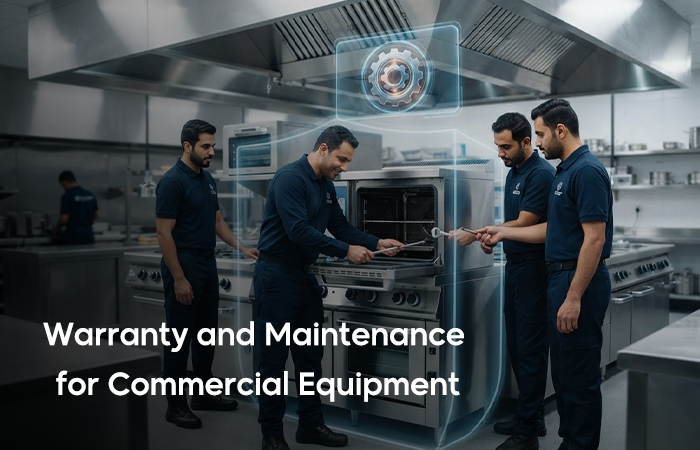
Regular maintenance is essential for keeping professional equipment reliable.
Maintenance helps:
- Extend equipment lifespan.
- Maintain performance.
- Reduce breakdown risks.
- Improve efficiency.
- Protect warranty coverage.
Different equipment categories require different maintenance routines.
Explore commercial kitchen equipment solutions and review the maintenance requirements associated with professional cooking systems.
Cooking Equipment Maintenance
Commercial cooking equipment is exposed to:
- Heat.
- Grease.
- Food residue.
- Heavy daily use.
Regular maintenance may include:
- Cleaning cooking surfaces.
- Inspecting heating components.
- Checking controls.
- Removing grease buildup.
- Inspecting safety systems.
Proper cleaning and maintenance help maintain cooking consistency and reduce operational interruptions.
Coffee Equipment Maintenance
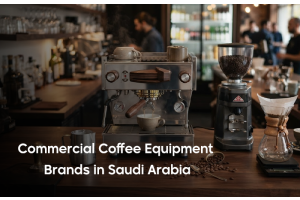
Coffee equipment requires regular attention because beverage quality depends on consistent performance.
Explore coffee equipment for professional café solutions that require proper care and maintenance.
Coffee equipment maintenance may include:
- Cleaning brewing components.
- Descaling systems.
- Cleaning grinders.
- Checking water systems.
- Replacing filters when required.
Poor maintenance can affect:
- Coffee taste.
- Equipment performance.
- Machine lifespan.
Commercial Refrigeration Maintenance
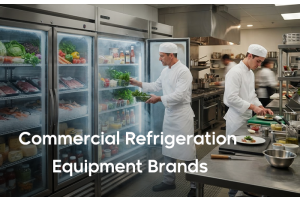
Refrigeration equipment requires consistent maintenance because temperature control is critical for food storage.
Explore commercial refrigeration solutions designed for restaurants, cafés, and foodservice operations.
Important maintenance tasks include:
- Cleaning condenser areas.
- Checking door seals.
- Monitoring temperatures.
- Cleaning internal areas.
- Inspecting cooling performance.
Poor refrigeration maintenance can increase energy consumption and risk product loss.
Periodic Maintenance Planning
A maintenance schedule should be created based on:
- Equipment type.
- Usage frequency.
- Operating environment.
- Manufacturer recommendations.
A maintenance plan may include:
Daily Tasks
- Cleaning equipment.
- Removing food residue.
- Checking basic operation.
Weekly Tasks
- Inspecting important components.
- Deep cleaning.
- Checking performance.
Periodic Professional Service
- Technical inspection.
- Component checks.
- Preventive repairs.
Preventive maintenance is usually less expensive than emergency repairs.
Keeping Service Records
Service records help businesses track equipment condition and maintenance history.
A useful service record includes:
- Purchase date.
- Equipment model.
- Installation date.
- Maintenance dates.
- Repairs completed.
- Replaced parts.
- Service provider details.
Benefits include:
- Easier troubleshooting.
- Better warranty management.
- Improved maintenance planning.
- Increased equipment reliability.
Response Time and After-Sales Service
Warranty value depends not only on coverage but also on service availability.
When evaluating suppliers, ask about:
- Response time.
- Technical support availability.
- Spare parts access.
- Service procedures.
- Maintenance options.
Fast support is especially important for equipment that directly affects daily operations.
Examples include:
- Refrigeration systems.
- Coffee machines.
- Cooking equipment.
- Production equipment.
A reliable after-sales service partner helps reduce business disruption.
Operating Instructions and Employee Training
Correct operation is essential for protecting equipment performance.
Employees should understand:
- Proper startup procedures.
- Correct operating settings.
- Cleaning requirements.
- Safety instructions.
- Shutdown procedures.
Many equipment problems happen because machines are operated incorrectly or used beyond their intended purpose.
Training employees helps:
- Reduce misuse.
- Improve efficiency.
- Protect warranty coverage.
- Extend equipment lifespan.
How Misuse Can Affect Warranty Coverage
Warranty coverage may be affected when equipment is not used according to manufacturer instructions.
Examples of misuse include:
- Overloading equipment.
- Using unsuitable materials.
- Ignoring cleaning requirements.
- Blocking ventilation areas.
- Modifying equipment without approval.
- Operating outside recommended conditions.
Following operating instructions protects both performance and warranty eligibility.
Choosing Equipment With Long-Term Support in Mind
When comparing commercial equipment options, consider more than the purchase price.
Evaluate:
- Warranty terms.
- Maintenance requirements.
- Spare parts availability.
- Supplier support.
- Equipment reliability.
- Total ownership cost.
A slightly higher initial investment may provide better long-term value if it reduces downtime and repair expenses.
Commercial Equipment Warranty Checklist
Before approving equipment, review:
Warranty Coverage
- What is the warranty duration?
- Which parts are included?
- What exclusions apply?
Installation
- Is professional installation required?
- Are site requirements clear?
Maintenance
- What maintenance schedule is recommended?
- Are service records required?
Support
- How quickly is technical support available?
- Are spare parts accessible?
Operation
- Are staff trained?
- Are operating instructions available?
Common Mistakes That Reduce Equipment Lifespan
Avoid these mistakes:
- Skipping regular maintenance.
- Ignoring cleaning schedules.
- Using equipment incorrectly.
- Choosing equipment without support options.
- Failing to keep service records.
- Delaying repairs until failures occur.
Small maintenance issues can become expensive repairs if ignored.
Why Choose Kawader for Commercial Equipment Support?
Kawader provides commercial equipment solutions for restaurants, cafés, bakeries, and foodservice businesses.
From cooking systems and coffee equipment to refrigeration solutions, Kawader helps businesses select professional equipment supported by proper guidance and service considerations.
Understanding warranty terms and maintenance requirements before purchase helps businesses protect their investment and maintain reliable operations.
Conclusion
Warranty and maintenance are essential parts of choosing commercial kitchen equipment. The best equipment purchase is not only about selecting the right machine—it is also about ensuring long-term support, correct installation, regular maintenance, and reliable service.
Before approving equipment, review warranty coverage, maintenance requirements, operating instructions, and after-sales support options. A strong maintenance approach helps improve uptime, reduce repair costs, and support consistent restaurant operations.
Ask about warranty terms and support options before approving your commercial equipment purchase.