
general


-
 Read more »
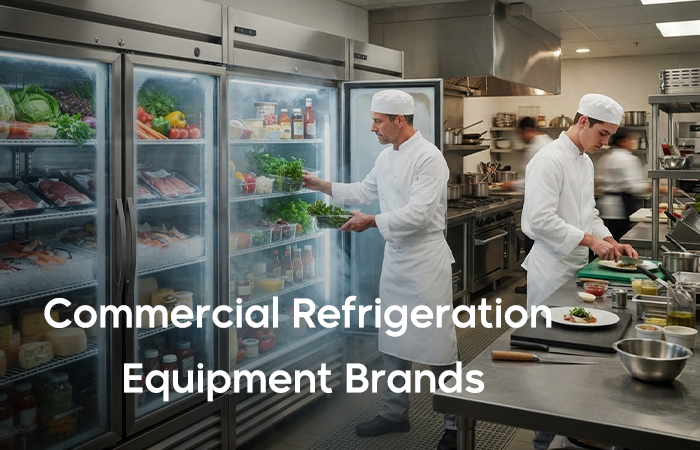
Commercial Refrigeration Brands: How to Choose by Application
Commercial refrigeration is one of the most important investments in any restaurant, café, hotel, or central kitchen. Refrigerators and freezers often operate continuously, making reliability, temperature stability, capacity, and maintenance essential considerations when comparing commercial refrigeration brands.
However, there is no single
-
 Read more »
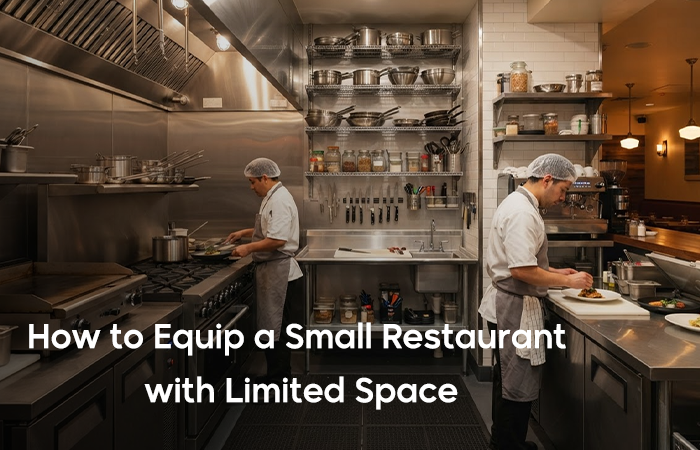
Small Restaurant Equipment Guide for Limited Kitchen Space
Limited kitchen space doesn't necessarily mean limited production capacity. With careful planning, a small restaurant can create an efficient workflow using compact equipment, multifunction machines, smart refrigeration, and well-organized storage.
The key is choosing small restaurant equipment according to the actual menu and expected order
-
 Read more »
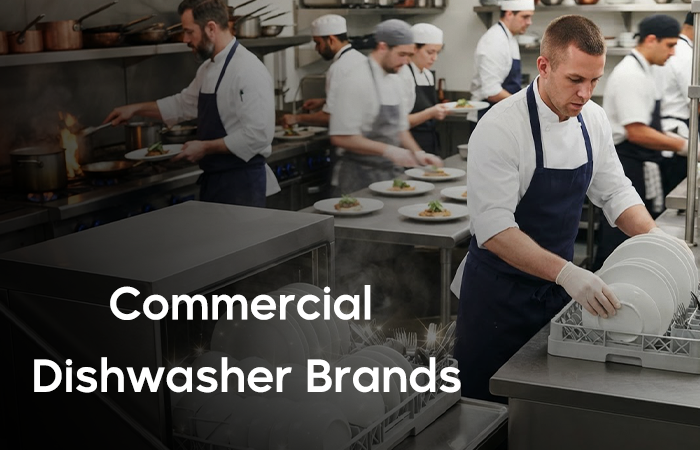
Commercial Dishwasher Brands: Key Comparison Criteria
Choosing between commercial dishwasher brands should involve more than comparing purchase prices or selecting a familiar manufacturer. In a restaurant, hotel, café, or central kitchen, dishwashing equipment can operate continuously during busy periods, and insufficient washing capacity can quickly affect the entire service workflow.
The right dishwasher
-
 Read more »
Restaurant Equipment Brands: How to Choose by Category
Choosing equipment for a restaurant or commercial kitchen often begins with comparing brands. However, there is rarely one manufacturer that is the best choice for every part of a kitchen. A brand known for cooking equipment may not necessarily be the right choice for refrigeration, while a manufacturer specialising in coffee equipment may offer
-
 Read more »
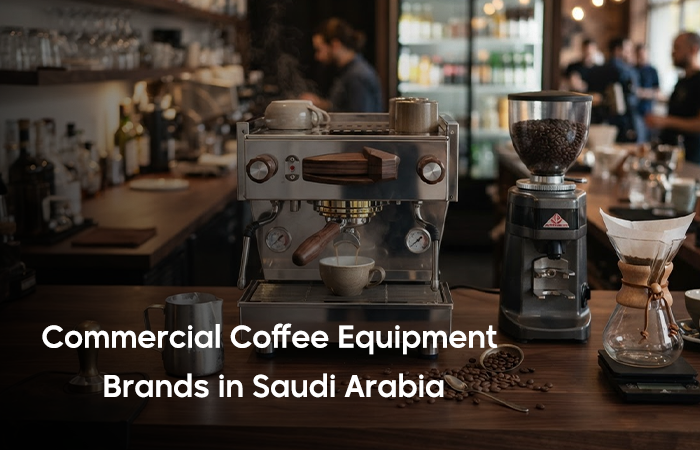
Commercial Coffee Equipment Brands: Selection Criteria for Cafes
Choosing commercial coffee equipment isn't simply a matter of selecting a well-known brand. For cafés in Saudi Arabia, the right choice depends on how the equipment performs during daily service, how consistently it produces coffee, whether staff can easily calibrate and clean it, and how well its capacity matches expected customer demand.
-
 Read more »
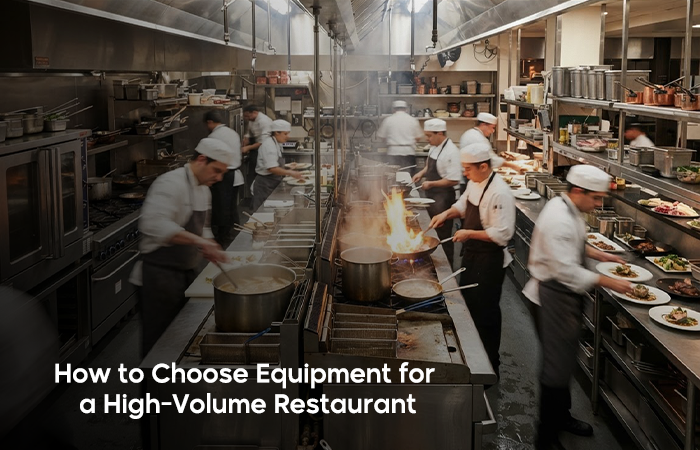
Running a high-volume restaurant places very different demands on kitchen equipment compared with a smaller food service operation. During peak periods, fryers may operate continuously, ovens can run batch after batch, refrigerators are opened frequently, and dishwashers must process large quantities of tableware without slowing down service.
For this reason, choosing high-volume restaurant equipment
-
 Read more »
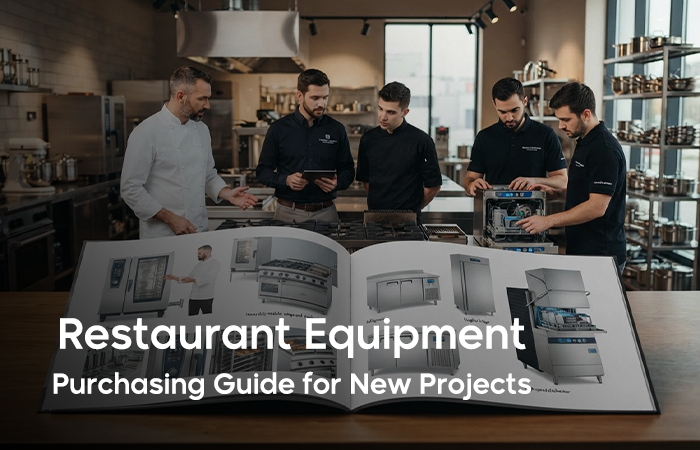
Many restaurants reach a point where customer demand grows faster than their kitchen capacity. Orders increase, peak hours become more challenging, and teams feel pressure to produce more food—but expanding the physical kitchen space is not always possible.
The solution is not always a larger kitchen. In many cases, restaurants can significantly improve output by redesigning workflow, using space-efficient
-
 Read more »
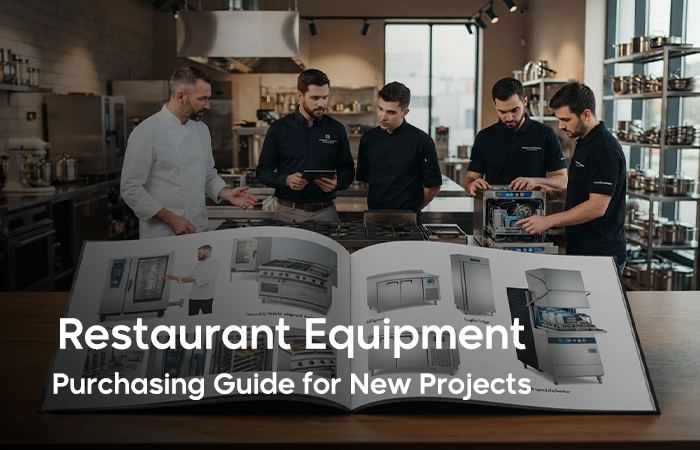
The first step in purchasing equipment is understanding what your restaurant will produce.
Equipment should be selected based on the menu, not the other way around.
Start by defining:
-
Food categories.
-
Preparation methods.
-
Cooking techniques.
-
Beverage offerings.
-
Production volume.
-
Service style.
For example:
A burger restaurant may require:
-
Grills.
-
Fryers.
-
Bun toasters.
-
Refrigerated preparation counters.
-
-
 Read more »
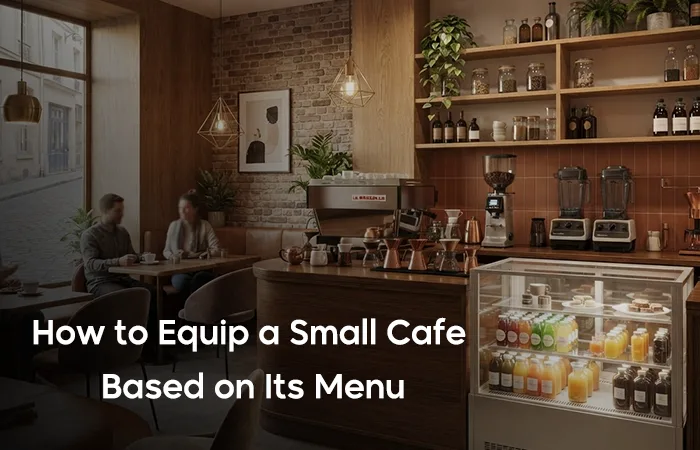
Selecting the right food preparation equipment is essential for restaurants, cafés, bakeries, hotels, and commercial kitchens that need speed, consistency, and reliable daily performance.
However, choosing between food preparation equipment brands should not depend only on brand reputation or price. The best equipment choice depends on the preparation tasks required, production volume, kitchen workflow,
-
 Read more »
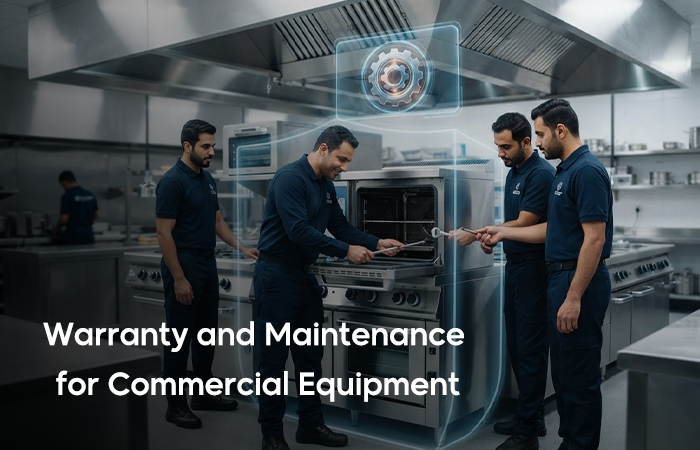
Commercial kitchen equipment is a major investment for restaurants, cafés, hotels, bakeries, and foodservice businesses. While selecting the right equipment is important, understanding warranty coverage and maintenance requirements is equally essential for protecting that investment.
A reliable warranty and proper maintenance plan can help businesses reduce unexpected downtime, control repair costs,
-
 Read more »
Choosing the right pizza and bakery equipment brands is an important decision for any bakery, pizzeria, café, or food production business. However, selecting equipment should not be based only on brand name. The best choice depends on how well the equipment matches your products, production volume, workflow, and long-term operational needs.
Commercial pizza and bakery production requires equipment
-
 Read more »
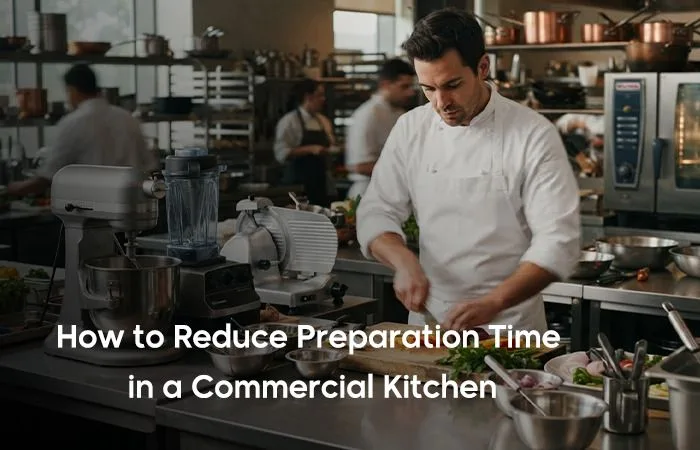
Food preparation is one of the biggest time-consuming stages in any restaurant kitchen. Cutting vegetables, preparing meat, mixing ingredients, portioning products, and organising stations all require significant labour before cooking even begins.
When preparation takes too long, the impact appears throughout the entire operation. Kitchen teams may struggle during peak hours, service times increase,
-
 Read more »
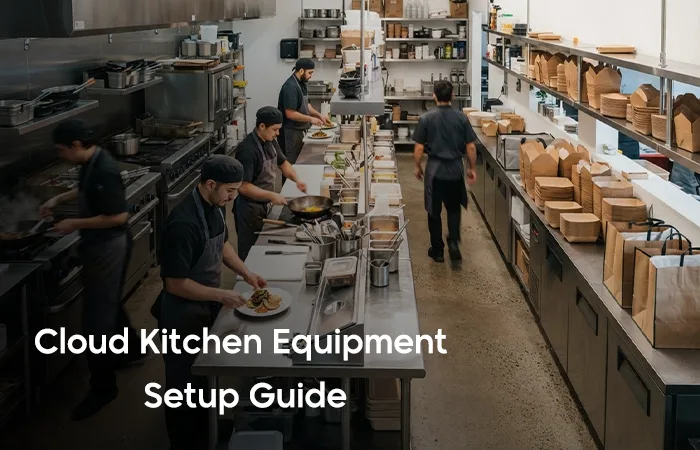
Cloud Kitchen Equipment Guide: Build an Efficient Workflow
Cloud kitchens, also known as ghost kitchens or delivery-only kitchens, have transformed the food service industry by allowing businesses to focus entirely on online orders without the need for a traditional dining area. While this model reduces front-of-house costs, success depends heavily on selecting the right cloud kitchen equipment and
-
 Read more »
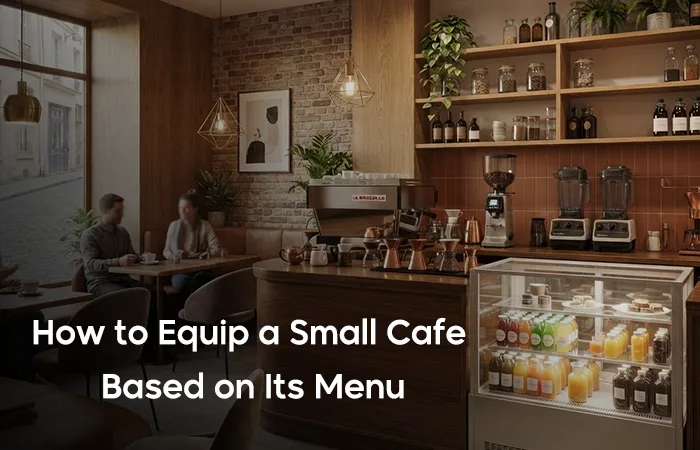
Opening a small café does not mean choosing the smallest equipment available. The right setup depends on the café’s menu, expected customer demand, preparation methods, available space, and future growth plans.
Many small café owners make the mistake of purchasing equipment first and designing the menu later. A better approach is to start with the products you plan to sell and select equipment that
-
 Read more »
When planning a new restaurant, café, bakery, or commercial kitchen project, comparing equipment quotations is an important step before making purchasing decisions. However, choosing the lowest price quotation does not always mean choosing the best value.
Restaurant equipment is a long-term investment that affects daily operations, production speed, food quality, and maintenance costs. A quotation
-
 Read more »
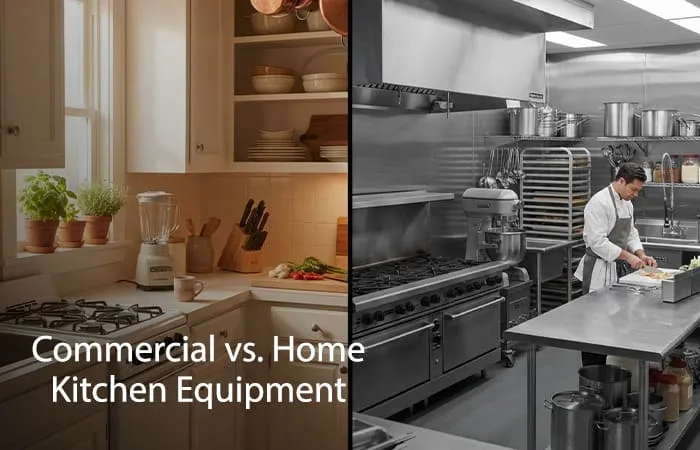
Choosing the right kitchen equipment is one of the most important decisions for any food business. Many new restaurant owners consider using home appliances as a way to reduce initial costs, but residential equipment is designed for completely different operating conditions.
While home kitchen appliances may work well for occasional cooking and small quantities, commercial kitchens require equipment
-
 Read more »
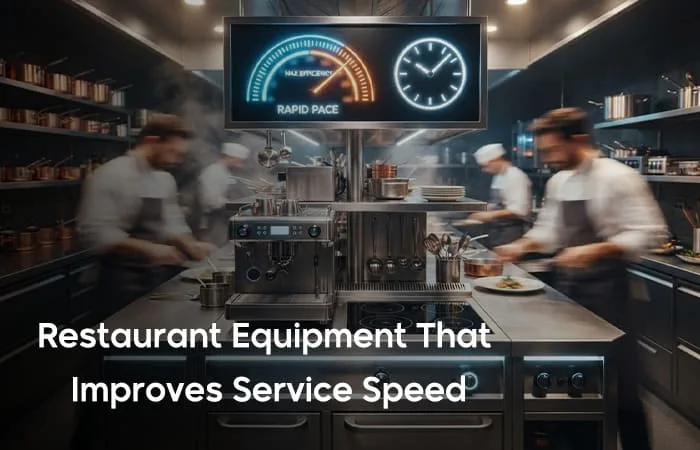
In the restaurant industry, speed is a major factor in customer satisfaction. Long waiting times can affect customer experience, reduce table turnover, and create pressure on kitchen teams during busy periods. While staff training and menu planning are important, the right restaurant equipment can make a significant difference in how quickly orders move from preparation to delivery.
A well-designed
-
 Read more »
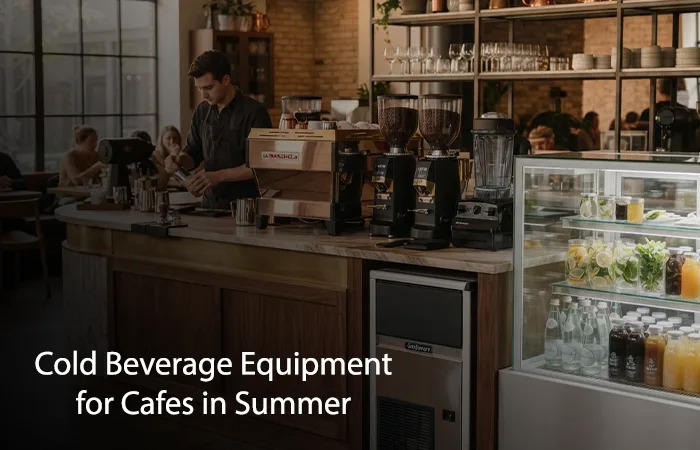
Summer is the busiest season for cafés, juice bars, restaurants, and beverage kiosks. As temperatures rise, customers look for refreshing drinks such as smoothies, fresh juices, iced coffee, milkshakes, frozen beverages, and fruit coolers. To keep up with this seasonal demand, businesses need reliable cold beverage equipment that delivers speed, consistency, and efficiency throughout the day.
Preparing
-
 Read more »
Commercial Equipment Spare Parts: What to Check Before Buying
When investing in commercial kitchen equipment, most buyers focus on features, capacity, energy efficiency, and price. While these factors are important, one critical aspect is often overlooked: spare parts availability. Even the highest-quality equipment will eventually require maintenance or replacement parts due to normal wear and tear.
-
 Read more »
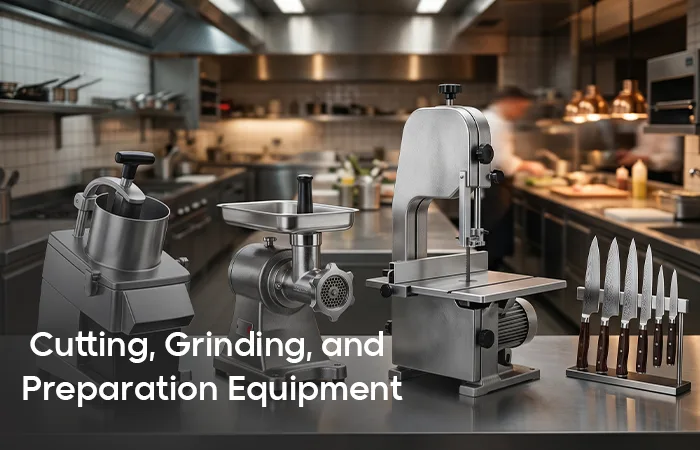
Cutting and Grinding Equipment for Commercial Kitchens
Efficient food preparation is the foundation of every successful commercial kitchen. Before cooking begins, ingredients must be accurately cut, ground, portioned, and prepared to ensure consistency, food safety, and fast service. Investing in professional cutting equipment allows restaurants, hotels, catering businesses, butcher shops, and central