
New Restaurant Equipment Checklist: What You Need Before Opening



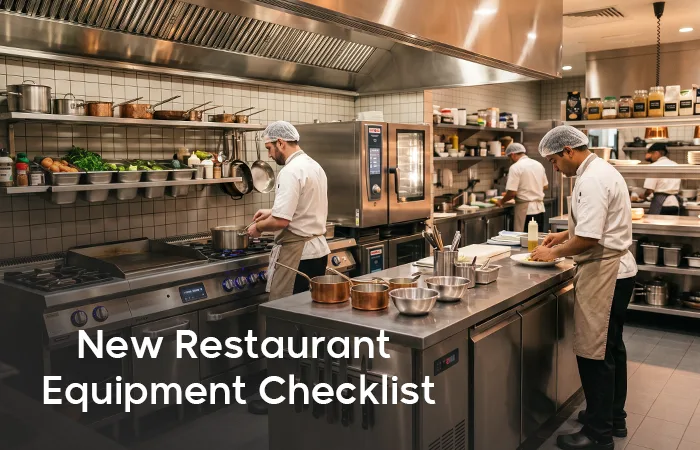
Opening a new restaurant requires careful planning, especially when it comes to selecting the right equipment. A well-equipped kitchen is the foundation of efficient operations, consistent food quality, and fast service. Without the right equipment setup, restaurants may face delays, workflow problems, food storage issues, and unnecessary operating costs.
A new restaurant equipment checklist helps owners and project managers organise purchases based on kitchen zones, menu requirements, production volume, and operational priorities. Instead of buying equipment randomly, it is better to plan each area of the restaurant, from preparation and cooking to refrigeration, cleaning, storage, and service.
This guide provides a practical checklist of the essential equipment needed before opening a new restaurant.
How to Plan Restaurant Equipment Before Opening
Before purchasing any equipment, start by understanding the restaurant concept and operational requirements. The equipment needed for a small café will be different from a high-volume fast-food restaurant or a full-service dining concept.
The first planning steps should include:
- Defining the menu.
- Estimating daily orders.
- Identifying peak-hour demand.
- Measuring kitchen space.
- Planning workflow between stations.
- Setting equipment priorities.
- Considering future expansion.
A good equipment plan should support the entire operation, from receiving ingredients to preparing, cooking, serving, and cleaning.
Divide Equipment by Kitchen Work Zones
Organising equipment by work zone makes the purchasing process easier and creates a more efficient kitchen layout.
The main restaurant work zones include:
- Food preparation area.
- Cooking line.
- Refrigeration and storage area.
- Dishwashing area.
- Service and display area.
- Dry storage area.
Each zone requires specific equipment to support its function.
Food Preparation Equipment Checklist
The preparation area is where ingredients are cleaned, cut, mixed, portioned, and prepared before cooking. Efficient preparation reduces service delays and improves consistency.
Essential preparation equipment may include:
- Stainless-steel preparation tables.
- Cutting boards.
- Knives.
- Food processors.
- Vegetable cutters.
- Meat grinders.
- Mixers.
- Dough preparation equipment.
- Ingredient containers.
- Portioning tools.
The required equipment depends on the menu. A pizza restaurant may need dough preparation equipment, while a burger restaurant may require meat preparation and vegetable cutting solutions.
Choosing Preparation Equipment Based on Production Volume
Production volume should determine equipment capacity.
A small restaurant may only need compact preparation tools, while a high-volume kitchen may require larger machines that can process ingredients continuously throughout the day.
Consider:
- Amount of daily preparation.
- Number of menu items.
- Staff size.
- Preparation time before service.
- Storage capacity.
Restaurant Cooking Equipment Checklist
Cooking equipment is the core of every restaurant kitchen. The correct setup depends heavily on the cooking methods required by the menu.
Explore restaurant cooking equipment for commercial solutions suitable for different restaurant concepts.
Essential cooking equipment may include:
- Commercial ranges.
- Fryers.
- Griddles.
- Charbroilers.
- Ovens.
- Pizza ovens.
- Steam equipment.
- Cooking pots and accessories.
- Food warming equipment.
- Holding cabinets.
Cooking Equipment by Restaurant Type
Fast Food Restaurants
Common requirements:
- Fryers.
- Griddles.
- Bun toasters.
- Holding equipment.
- Preparation refrigerators.
Pizza Restaurants
Common requirements:
- Pizza ovens.
- Dough mixers.
- Dough preparation stations.
- Refrigerated topping counters.
Breakfast Restaurants
Common requirements:
- Griddles.
- Cooking ranges.
- Fryers.
- Coffee equipment.
- Food warming solutions.
Full-Service Restaurants
Common requirements:
- Complete cooking line.
- Ovens.
- Grills.
- Preparation stations.
- Holding equipment.
Commercial Refrigeration Equipment Checklist
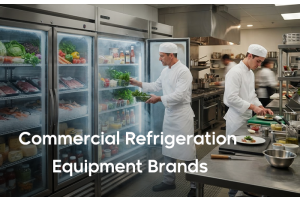
Refrigeration is essential for maintaining ingredient quality, food safety, and efficient kitchen operations.
Explore commercial refrigeration equipment for professional cooling solutions designed for restaurants and foodservice businesses.
Essential refrigeration equipment includes:
- Upright refrigerators.
- Upright freezers.
- Undercounter refrigerators.
- Preparation refrigerators.
- Beverage coolers.
- Display refrigerators.
- Freezers.
How to Choose Refrigeration Capacity
The right refrigeration capacity depends on:
- Menu size.
- Ingredient quantity.
- Delivery frequency.
- Storage requirements.
- Daily production volume.
- Available kitchen space.
A restaurant serving fresh meat, dairy products, and prepared ingredients will typically require more refrigeration capacity than a small takeaway concept.
Commercial Dishwashing Equipment Checklist
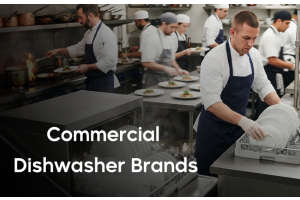
A clean and organised dishwashing area is essential for maintaining restaurant efficiency and hygiene standards.
Explore commercial dishwashing equipment for solutions that help restaurants manage plates, glasses, utensils, and kitchen tools.
Essential dishwashing equipment may include:
- Commercial dishwashers.
- Hood-type dishwashers.
- Undercounter dishwashers.
- Glass washers.
- Stainless-steel sinks.
- Pre-rinse units.
- Drying racks.
Selecting the Right Dishwasher
The correct dishwasher depends on:
- Number of customers served.
- Peak-hour demand.
- Type of tableware used.
- Available washing space.
- Required cleaning speed.
A small café may need a compact dishwasher, while a busy restaurant or hotel requires higher-capacity systems.
Storage Equipment Checklist
Proper storage keeps the kitchen organised and improves workflow.
Restaurant storage equipment includes:
- Stainless-steel shelving.
- Storage racks.
- Ingredient containers.
- Dry storage cabinets.
- Wall shelves.
- Mobile storage carts.
- Packaging storage units.
A well-planned storage area helps employees quickly access ingredients and reduces unnecessary movement.
Dry Storage Considerations
Dry storage should be:
- Clean and organised.
- Easy to access.
- Protected from moisture.
- Located near preparation areas.
- Large enough for expected inventory.
Service and Front-of-House Equipment Checklist
Restaurant operations continue beyond the kitchen. Service areas also require proper equipment to support customer experience.
Common service equipment includes:
- Beverage stations.
- Display refrigerators.
- Heated displays.
- Serving counters.
- Packaging stations.
- Takeaway storage.
- Customer service equipment.
Restaurants offering takeaway and delivery should also plan dedicated packaging areas to improve order speed and accuracy.
Equipment Priorities When Opening a New Restaurant
Not all equipment needs to be purchased at the same stage. Prioritising purchases helps manage investment and ensures essential operations are ready before opening.
Priority 1: Essential Operating Equipment
These are required before opening:
- Cooking equipment.
- Refrigeration.
- Preparation equipment.
- Dishwashing equipment.
- Work tables.
- Storage solutions.
Priority 2: Service Improvement Equipment
These improve efficiency and customer experience:
- Display units.
- Beverage equipment.
- Additional preparation tools.
- Holding equipment.
Priority 3: Expansion Equipment
These support future growth:
- Additional production equipment.
- Larger storage systems.
- Extra cooking stations.
- Specialised equipment.
Restaurant Equipment Checklist by Kitchen Area
|
Kitchen Area |
Essential Equipment |
|
Preparation Area |
Tables, knives, processors, cutters, mixers, ingredient containers |
|
Cooking Line |
Ovens, fryers, grills, ranges, holding equipment |
|
Refrigeration |
Refrigerators, freezers, preparation counters, beverage coolers |
|
Dishwashing |
Dishwashers, sinks, racks, cleaning stations |
|
Storage |
Shelving, cabinets, storage containers |
|
Service Area |
Displays, beverage stations, packaging stations |
Common Mistakes When Equipping a New Restaurant
Many restaurant owners face problems because equipment decisions are made without enough planning.
Common mistakes include:
- Buying equipment before finalising the menu.
- Choosing equipment based only on price.
- Underestimating peak-hour production.
- Buying equipment that does not fit the kitchen.
- Ignoring refrigeration capacity.
- Forgetting workflow planning.
- Purchasing residential appliances instead of commercial equipment.
- Not considering maintenance and service requirements.
Avoiding these mistakes helps create a more reliable and efficient restaurant operation.
Tips for Buying Restaurant Equipment
Before making final purchases:
Match Equipment to Your Menu
Your menu determines the type of cooking, preparation, and storage equipment required.
Calculate Expected Production
Choose equipment based on your busiest operating periods, not only average daily demand.
Plan the Kitchen Layout
Equipment placement should support smooth movement between preparation, cooking, service, and cleaning.
Choose Commercial-Grade Equipment
Commercial equipment is designed for frequent use and demanding restaurant environments.
Consider Future Growth
Select equipment that can support increased demand as your business develops.
Why Choose Kawader for Restaurant Equipment?
Kawader provides a wide range of commercial restaurant equipment designed for new projects and existing foodservice businesses.
From cooking equipment and food preparation solutions to refrigeration, dishwashing, storage, and service equipment, Kawader helps restaurant owners build complete kitchen setups based on their operational needs.
Whether you are opening a small restaurant, expanding a successful concept, or launching a new food business, choosing the right equipment helps create a stronger foundation for long-term success.
Conclusion
A complete new restaurant equipment checklist helps owners plan purchases, organise kitchen zones, and avoid costly mistakes before opening. The right combination of preparation equipment, cooking systems, refrigeration, dishwashing, storage, and service solutions creates an efficient restaurant workflow.
Before investing, define your menu, estimate production volume, plan your kitchen layout, and prioritise essential equipment first. A well-designed equipment setup will improve daily operations and support your restaurant’s growth.
Start equipping your restaurant with Kawader and choose the commercial equipment solutions that match your menu, space, and production needs.