
Commercial Cooking Equipment: Ovens, Fryers, Grills, and Ranges



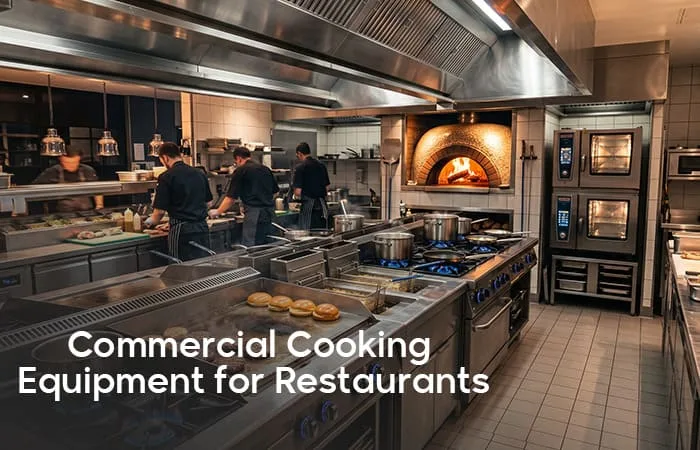
Commercial cooking equipment is the foundation of every professional restaurant kitchen. The right cooking setup allows chefs and kitchen teams to prepare food efficiently, maintain consistent quality, and handle customer demand during busy service periods.
Unlike residential appliances, commercial cooking equipment is designed for continuous operation, higher production volumes, and demanding foodservice environments. From ovens and fryers to grills, griddles, ranges, and specialty cooking machines, every piece of equipment should support the restaurant’s menu, workflow, and production requirements.
Choosing the correct equipment depends on several factors, including cooking methods, menu type, daily output, available kitchen space, energy supply, and maintenance requirements.
This guide explains the main types of commercial cooking equipment, how to select the right solutions for restaurants, and the key considerations before purchasing.
Why Commercial Cooking Equipment Matters
Cooking equipment directly affects restaurant performance. A poorly planned cooking line can slow service, create workflow problems, and limit production capacity.
The right equipment helps restaurants:
- Prepare food faster.
- Maintain consistent cooking results.
- Handle peak-hour demand.
- Improve kitchen organisation.
- Reduce unnecessary labour.
- Support menu expansion.
- Improve energy efficiency.
- Maintain food quality.
A successful kitchen layout combines different cooking stations into one efficient workflow, allowing ingredients to move smoothly from preparation to cooking and final service.
Main Types of Commercial Cooking Equipment
Commercial kitchens use different cooking equipment depending on the menu and production requirements.
The main categories include:
- Commercial ovens.
- Fryers.
- Grills and charbroilers.
- Griddles.
- Cooking ranges.
- Specialty cooking equipment.
- Food holding equipment.
Each type serves a different purpose and should be selected based on actual restaurant needs.
Explore restaurant cooking equipment for professional solutions suitable for restaurants, cafés, hotels, and commercial kitchens.
Commercial Ovens for Restaurants
Ovens are essential for restaurants that rely on baking, roasting, finishing, or cooking large quantities of food.
Common commercial oven types include:
- Convection ovens.
- Deck ovens.
- Combination ovens.
- Pizza ovens.
- Specialty baking ovens.
Convection Ovens
Convection ovens use circulating hot air to provide even cooking results.
They are suitable for:
- Roasting.
- Baking.
- Pastries.
- Reheating.
- Multi-product cooking.
Benefits include:
- Faster cooking.
- More even heat distribution.
- Better consistency.
- Efficient use of oven space.
Deck Ovens
Deck ovens are commonly used for products requiring direct heat and controlled baking conditions.
Applications include:
- Bread.
- Pizza.
- Pastries.
- Bakery products.
A 3-deck 9-tray electric deck oven is an example of a higher-capacity baking solution suitable for businesses requiring increased production.
Choosing the Right Commercial Oven
Consider:
- Product type.
- Daily production volume.
- Number of trays.
- Temperature requirements.
- Available kitchen space.
- Energy supply.
A bakery, pizza restaurant, and hotel kitchen will all require different oven specifications.
Commercial Fryers for Restaurants
Fryers are essential for many restaurant concepts, especially fast-food, burger, fried chicken, and quick-service businesses.
Common fryer applications include:
- French fries.
- Fried chicken.
- Seafood.
- Snacks.
- Side dishes.
Types of Commercial Fryers
Commercial fryers may include:
- Single fryers.
- Double fryers.
- Electric fryers.
- Gas fryers.
- Open fryers.
- Specialty fryers.
A 2×32 L double electric fryer provides a higher-capacity frying solution for restaurants requiring continuous production during busy periods.
Choosing a Commercial Fryer
Important factors include:
- Oil capacity.
- Number of menu items.
- Production volume.
- Recovery time.
- Energy source.
- Cleaning requirements.
A restaurant selling large quantities of fried products needs equipment capable of maintaining temperature stability throughout service.
Commercial Grills and Charbroilers
Grills are important for restaurants serving grilled meats, burgers, sandwiches, and speciality dishes.
Common grill types include:
- Charbroilers.
- Gas grills.
- Electric grills.
- Contact grills.
Benefits of Commercial Grills
Professional grills help restaurants:
- Achieve consistent cooking.
- Handle higher volumes.
- Improve product quality.
- Create signature flavours.
- Reduce preparation time.
Selecting the Right Grill
Consider:
- Cooking surface size.
- Menu requirements.
- Heat output.
- Daily production.
- Cleaning process.
- Ventilation needs.
A burger restaurant may require a different grill setup compared with a steakhouse or mixed-menu restaurant.
Commercial Griddles
Griddles provide a flat cooking surface suitable for many restaurant applications.
They are commonly used for:
- Burgers.
- Breakfast items.
- Pancakes.
- Sandwiches.
- Eggs.
- Toasting.
Advantages of Griddles
Commercial griddles offer:
- Large cooking surfaces.
- Consistent heat distribution.
- Multiple product preparation.
- Efficient workflow.
They are especially useful for quick-service restaurants where several items must be prepared simultaneously.
Commercial Cooking Ranges
Cooking ranges are versatile pieces of equipment used in many professional kitchens.
They may include:
- Gas burners.
- Electric cooking zones.
- Ovens.
- Open burners.
- Hot plates.
Common applications include:
- Sauces.
- Soups.
- Pasta.
- Boiling.
- General cooking.
Choosing a Commercial Range
Consider:
- Number of burners required.
- Cooking volume.
- Kitchen layout.
- Gas or electric availability.
- Type of menu.
Restaurants with diverse menus often benefit from flexible range setups.
Specialty Cooking Equipment
Some restaurant concepts require specialised cooking equipment designed for specific products.
Examples include:
- Shawarma machines.
- Pizza ovens.
- Pasta cookers.
- Steam equipment.
- Waffle makers.
- Panini grills.
- Bakery equipment.
Specialty equipment improves production efficiency because it is designed specifically for certain cooking processes.
Gas vs Electric Cooking Equipment
One of the most important decisions when selecting commercial cooking equipment is choosing between gas and electric models.
Gas Cooking Equipment
Advantages include:
- High heat output.
- Fast temperature adjustment.
- Suitability for heavy cooking applications.
Gas equipment is commonly used in restaurants requiring powerful cooking performance.
Electric Cooking Equipment
Advantages include:
- Precise temperature control.
- Easier installation in some locations.
- Consistent heating.
- Suitable for compact kitchens.
The best choice depends on:
- Kitchen infrastructure.
- Energy availability.
- Menu requirements.
- Operating costs.
- Local regulations.
Selecting Cooking Equipment Based on Menu
The menu should be the starting point when choosing cooking equipment.
Fast-Food Restaurants
Usually require:
- Fryers.
- Griddles.
- Grills.
- Holding equipment.
- Bun toasters.
Pizza Restaurants
Usually require:
- Pizza ovens.
- Dough preparation equipment.
- Refrigerated preparation counters.
Breakfast Restaurants
Usually require:
- Griddles.
- Fryers.
- Cooking ranges.
- Coffee equipment.
- Warming equipment.
Bakeries
Usually require:
- Deck ovens.
- Convection ovens.
- Mixers.
- Dough preparation equipment.
Full-Service Restaurants
Usually require:
- Complete cooking lines.
- Ranges.
- Ovens.
- Grills.
- Specialty equipment.
Cooking Equipment Capacity and Power Requirements
Capacity is one of the most important factors when selecting commercial cooking equipment.
Before purchasing, evaluate:
- Number of daily meals.
- Peak-hour orders.
- Cooking time per item.
- Number of staff.
- Available kitchen space.
Choosing equipment with insufficient capacity may cause:
- Longer waiting times.
- Reduced service speed.
- Increased staff pressure.
Choosing oversized equipment may increase investment costs and consume unnecessary space.
Kitchen Layout and Cooking Workflow
A well-designed cooking area improves efficiency and reduces unnecessary movement.
A typical workflow includes:
- Ingredient preparation.
- Cooking station.
- Holding area.
- Plating or assembly.
- Service.
Equipment placement should consider:
- Staff movement.
- Ventilation.
- Safety.
- Cleaning access.
- Proximity to preparation areas.
Safety Considerations for Commercial Cooking Equipment
Cooking equipment involves heat, oil, gas, and electrical systems, making safety an essential consideration.
Important safety practices include:
- Proper ventilation.
- Staff training.
- Regular inspections.
- Safe equipment placement.
- Fire prevention procedures.
- Correct shutdown procedures.
Restaurants should ensure that employees understand proper equipment operation before daily use.
Cleaning and Maintenance Requirements
Regular cleaning improves equipment performance and extends lifespan.
Maintenance tasks include:
- Removing grease buildup.
- Cleaning cooking surfaces.
- Checking burners and heating elements.
- Inspecting controls.
- Following manufacturer instructions.
- Scheduling professional servicing.
Well-maintained equipment performs better and reduces unexpected downtime.
Common Mistakes When Buying Commercial Cooking Equipment
Avoid these mistakes:
- Choosing equipment without reviewing the menu.
- Buying based only on price.
- Underestimating production volume.
- Ignoring kitchen space limitations.
- Forgetting ventilation requirements.
- Selecting unsuitable energy types.
- Neglecting maintenance requirements.
A complete equipment plan should balance performance, capacity, cost, and long-term operational needs.
Commercial Cooking Equipment Checklist Before Purchase
Before buying cooking equipment, review:
Menu Requirements
- What cooking methods are needed?
- Which products require specialised equipment?
Capacity Needs
- How many meals are produced daily?
- What is the peak-hour demand?
Space Requirements
- Available kitchen area.
- Ventilation.
- Equipment placement.
- Cleaning access.
Operating Requirements
- Gas or electric availability.
- Energy consumption.
- Maintenance support.
- Staff workflow.
Why Choose Kawader for Commercial Cooking Equipment?
Kawader provides commercial cooking equipment solutions for restaurants, cafés, hotels, bakeries, and foodservice businesses.
From ovens and fryers to grills, griddles, ranges, and specialty cooking equipment, Kawader helps businesses select solutions based on their menu, production volume, and kitchen requirements.
Whether you are opening a new restaurant or upgrading an existing kitchen, choosing the right cooking equipment improves efficiency, consistency, and daily performance.
Conclusion
Commercial cooking equipment is one of the most important investments in any restaurant kitchen. The right combination of ovens, fryers, grills, griddles, ranges, and specialty equipment helps businesses deliver consistent food quality while handling customer demand.
Before purchasing, evaluate your menu, production volume, kitchen layout, energy requirements, and maintenance needs. A well-planned cooking setup creates a more efficient kitchen and supports long-term restaurant success.
Browse commercial cooking equipment from Kawader and choose the right solutions for your restaurant kitchen.