
Specialty Coffee Equipment for Cafes in Saudi Arabia




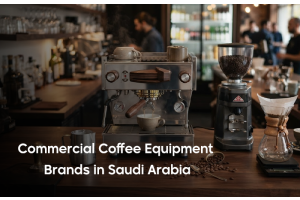


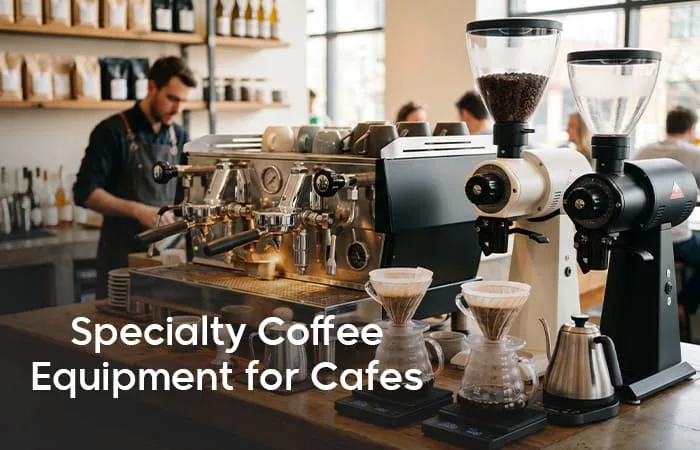
Building a successful specialty coffee café requires more than choosing high-quality coffee beans. The right commercial coffee equipment plays a major role in beverage consistency, service speed, bar workflow, and customer experience.
Specialty coffee operations depend on precision. From espresso extraction and grinding to water quality, milk storage, manual brewing, and bar organisation, every part of the coffee preparation process affects the final cup.
Choosing the right specialty coffee equipment helps cafés maintain consistent quality, handle daily customer demand, and create an efficient barista workflow.
Whether you are opening a new coffee shop, upgrading an existing café, or developing a premium coffee concept in Saudi Arabia, your equipment selection should match your menu, expected daily cups, available space, and service style.
This guide explains the essential equipment needed for a specialty coffee bar, including espresso machines, grinders, brewing tools, refrigeration, water treatment, accessories, and workflow planning.
How to Plan Specialty Coffee Equipment Before Opening
Before purchasing equipment, define your café concept and production requirements.
Start by evaluating:
- Coffee menu.
- Expected daily cup volume.
- Peak-hour customer demand.
- Number of baristas.
- Available counter space.
- Beverage variety.
- Future expansion plans.
A specialty coffee bar should be designed around a smooth workflow where baristas can move efficiently between grinding, brewing, milk preparation, finishing, and customer service.
Essential Specialty Coffee Equipment Categories
A professional specialty coffee setup usually includes:
- Espresso machines.
- Coffee grinders.
- Manual brewing equipment.
- Water filtration systems.
- Milk refrigeration.
- Barista accessories.
- Beverage storage solutions.
- Cleaning equipment.
Each category supports a different stage of coffee preparation.
Commercial Espresso Machines for Specialty Cafes
The espresso machine is the centre of most specialty coffee bars. It controls extraction quality, service speed, and the ability to handle customer demand during busy periods.
Explore espresso machines for commercial solutions designed for cafés and professional coffee operations.
Choosing the Right Espresso Machine
The ideal espresso machine depends on:
- Number of daily cups.
- Number of baristas.
- Peak-hour volume.
- Menu complexity.
- Available space.
- Required workflow speed.
A small specialty café may operate effectively with a compact commercial espresso machine, while a high-volume coffee shop may require a multi-group machine to support continuous service.
Espresso Machine Features to Consider
Important features include:
- Number of groups.
- Boiler capacity.
- Temperature stability.
- Steam power.
- Ease of cleaning.
- User controls.
- Energy efficiency.
Consistency is one of the most important factors in specialty coffee, so the machine should provide stable performance throughout the day.
Coffee Grinders for Specialty Coffee
Grinding is one of the most important steps in coffee preparation. Even high-quality beans can produce inconsistent results if the grinder does not provide accurate and repeatable grinding.
Explore coffee grinders for professional grinding solutions suitable for specialty coffee shops.
Why Commercial Coffee Grinders Matter
Professional grinders help cafés:
- Maintain consistent grind size.
- Improve extraction quality.
- Adjust recipes quickly.
- Support higher order volumes.
- Reduce preparation delays.
Choosing a Coffee Grinder
Consider:
- Daily coffee volume.
- Number of coffee blends.
- Espresso or brewing applications.
- Adjustment flexibility.
- Grinding speed.
- Ease of maintenance.
A café offering different coffee profiles may require multiple grinders to separate espresso blends, single-origin coffees, and brewing options.
Example: Ceado Coffee Grinder
The Ceado E7 coffee grinder is an example of a commercial grinder category used by cafés that require reliable grinding performance.
A professional grinder should support:
- Consistent particle size.
- Fast grinding.
- Daily commercial use.
- Efficient workflow behind the coffee bar.
The correct grinder choice depends on the café’s production needs rather than brand preference alone.
Manual Brewing Equipment
Specialty coffee menus often include manual brewing methods that allow customers to experience different flavours and brewing styles.
Common manual brewing equipment includes:
- Pour-over tools.
- Drippers.
- Coffee scales.
- Kettles.
- Brewing stations.
- Servers and accessories.
Manual brewing requires precision and consistency, making accessories such as scales and timers important parts of the coffee setup.
Benefits of Manual Brewing
Manual brewing allows cafés to:
- Offer premium coffee experiences.
- Highlight different beans.
- Create menu variety.
- Serve customers interested in specialty preparation methods.
Water Quality and Coffee Equipment
Water quality has a direct impact on coffee taste and equipment performance. Since coffee is mainly composed of water, the quality of the water used during brewing affects flavour, extraction, and consistency.
A specialty coffee bar should consider:
- Water filtration.
- Mineral balance.
- Hardness levels.
- Regular filter replacement.
Why Water Treatment Matters
Proper water treatment helps:
- Improve coffee flavour.
- Protect espresso machines.
- Reduce mineral buildup.
- Maintain equipment performance.
Ignoring water quality can lead to inconsistent drinks and increased maintenance requirements.
Milk Refrigeration and Storage
Milk-based drinks are a major part of many specialty coffee menus, including:
- Cappuccinos.
- Lattes.
- Flat whites.
- Specialty milk beverages.
Proper refrigeration is essential for maintaining milk quality and food safety.
Common refrigeration solutions include:
- Undercounter refrigerators.
- Milk storage units.
- Beverage refrigerators.
Choosing Milk Refrigeration
Consider:
- Daily milk consumption.
- Bar space.
- Access speed.
- Storage organisation.
- Temperature control.
Positioning milk refrigeration close to the espresso station improves workflow during busy service.
Specialty Coffee Bar Workflow
A well-designed coffee bar improves speed and reduces unnecessary movement.
A typical workflow includes:
- Coffee storage.
- Grinding.
- Espresso preparation.
- Milk steaming.
- Beverage finishing.
- Customer handoff.
Creating an Efficient Bar Layout
Important considerations include:
- Grinder placement.
- Espresso machine location.
- Milk storage access.
- Cup storage.
- Cleaning area.
- Customer pickup point.
An efficient layout allows baristas to prepare more drinks with less movement.
Barista Accessories Checklist
Professional accessories help maintain consistency and improve daily operation.
Essential accessories may include:
- Coffee scales.
- Tamper tools.
- Milk pitchers.
- Knock boxes.
- Cleaning brushes.
- Distribution tools.
- Shot glasses.
- Storage containers.
Although small compared with major equipment, these accessories directly affect workflow and beverage quality.
Specialty Coffee Equipment by Daily Cup Volume
Equipment capacity should match expected daily production.
Small Specialty Coffee Shop
Typical requirements:
- Compact espresso machine.
- One or two grinders.
- Basic brewing equipment.
- Small refrigeration.
- Essential accessories.
Suitable for cafés with limited menus and moderate customer traffic.
Medium Coffee Shop
Recommended equipment:
- Higher-capacity espresso machine.
- Multiple grinders.
- Manual brewing station.
- Larger refrigeration.
- Advanced accessories.
Suitable for cafés with regular customer flow.
High-Volume Specialty Coffee Bar
Recommended equipment:
- Multi-group espresso machine.
- Multiple commercial grinders.
- Dedicated brewing station.
- Larger refrigeration capacity.
- Expanded bar workflow.
Suitable for busy locations and high daily cup production.
Common Mistakes When Choosing Specialty Coffee Equipment
Avoid these common mistakes:
- Choosing equipment without estimating daily cups.
- Buying based only on appearance.
- Underestimating grinder importance.
- Ignoring water quality.
- Poor bar workflow planning.
- Insufficient refrigeration.
- Buying equipment that cannot support future growth.
- Neglecting cleaning and maintenance requirements.
A complete equipment plan should balance quality, capacity, space, and operational needs.
Tips Before Buying Specialty Coffee Equipment
Define Your Coffee Concept
Decide whether your focus is espresso, manual brewing, cold coffee, or a complete specialty menu.
Estimate Daily Cup Volume
Choose equipment that can handle peak demand.
Plan Your Coffee Bar Layout
Equipment placement affects speed and staff efficiency.
Invest in Quality Grinders
Grinding consistency is essential for specialty coffee quality.
Consider Maintenance
Select equipment that is easy to clean and service.
Why Choose Kawader for Specialty Coffee Equipment?
Kawader provides commercial coffee equipment solutions for cafés and specialty coffee businesses in Saudi Arabia.
From espresso machines and grinders to brewing tools, refrigeration solutions, and café accessories, Kawader helps businesses build professional coffee bars designed around their menu and production requirements.
Whether you are launching a new specialty café or upgrading an existing coffee shop, choosing the right equipment supports better workflow, consistent beverages, and improved customer experiences.
Conclusion
A successful specialty coffee café depends on the right combination of equipment, workflow, and preparation standards. Espresso machines, grinders, brewing tools, water treatment, refrigeration, and barista accessories all contribute to beverage quality and operational efficiency.
Before purchasing, evaluate your menu, daily cup volume, available space, and future growth plans. A well-designed specialty coffee setup creates a stronger foundation for consistent service and long-term success.
Explore specialty-coffee equipment from Kawader and build a professional coffee bar designed for your café’s needs.