
Food Preparation Equipment: Cutting, Mixing, Grinding, and More






Food Preparation Equipment: Cutting, Mixing, Grinding, and More
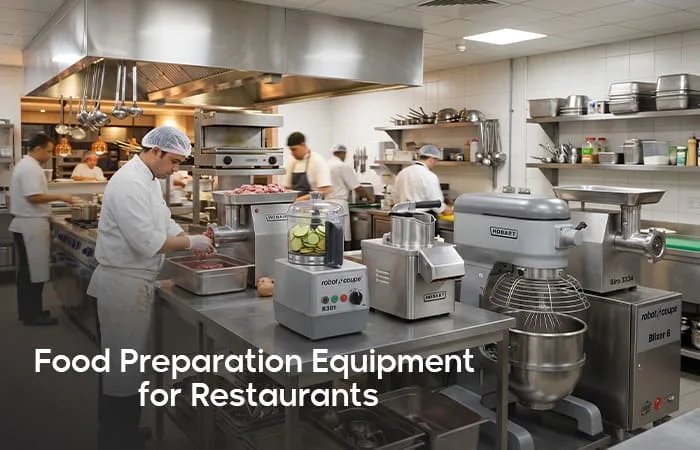
Food preparation equipment is one of the most important parts of any restaurant, cafe, hotel kitchen, bakery, butcher shop, catering operation, or central kitchen. Before food reaches the cooking line, ingredients must be washed, cut, sliced, mixed, kneaded, blended, minced, portioned, or processed. If this stage is slow or inconsistent, the entire service flow can be affected.
A well-planned preparation area helps kitchens work faster, reduce manual labour, improve consistency, and prepare ingredients safely before cooking or serving. Whether the menu includes vegetables, meat, dough, sauces, soups, burgers, salads, juices, bakery items, or ready-to-cook portions, the right food preparation equipment supports better productivity and smoother daily operations.
In this guide, we cover the main types of commercial food-preparation equipment, including food processors, vegetable cutters, meat grinders, blenders, mixers, bone saws, chef knives, cutting boards, and workflow planning tips for professional kitchens.
Why Food Preparation Equipment Matters
Preparation is the foundation of kitchen efficiency. If ingredients are not ready on time, the cooking line slows down, service becomes delayed, and staff may struggle during peak periods. This is especially important in restaurants that handle high order volumes or menus with many components.
Professional preparation equipment helps kitchens:
- Reduce manual cutting and mixing time.
- Improve portion consistency.
- Prepare larger batches safely.
- Maintain recipe standards.
- Reduce staff fatigue.
- Improve speed during peak service.
- Support better hygiene and organisation.
- Prepare ingredients in advance for multiple shifts.
For example, a kitchen that manually slices vegetables for hundreds of meals may lose valuable labour time every day. A suitable vegetable cutter or food processor can improve speed while keeping cuts more consistent.
Main Types of Food Preparation Equipment
Different kitchens need different preparation equipment depending on menu type, ingredient volume, and production style. A burger restaurant may focus on meat preparation, sauce mixing, and vegetable slicing, while a bakery may need mixers and dough equipment. A central kitchen may require higher-capacity machines for continuous batch production.
Common food preparation equipment includes:
- Food processors.
- Vegetable cutters.
- Meat grinders.
- Blenders.
- Mixers.
- Dough kneaders.
- Bone saws.
- Chef knives.
- Cutting boards.
- Ingredient containers and portioning tools.
When selecting equipment, always start from the menu and daily preparation volume. The goal is not to buy every machine, but to choose the equipment that saves time and improves consistency in the areas used most often.
Commercial Food Processors
Food processors are versatile machines used for chopping, slicing, shredding, mixing, and processing different ingredients. They are useful in restaurants, cafes, hotels, catering kitchens, and central kitchens where repeated preparation tasks take place every day.
Using commercial food processors can help kitchens prepare sauces, vegetables, fillings, dips, and mixed ingredients faster than manual preparation. They are especially valuable when the same task is repeated many times during the day.
Food processors may be used for:
- Chopping vegetables.
- Preparing sauces and dips.
- Mixing ingredients.
- Processing herbs.
- Preparing fillings.
- Creating bases for soups or spreads.
- Reducing manual knife work.
When choosing a commercial food processor, consider bowl capacity, motor power, blade options, ease of cleaning, safety features, and how often the machine will be used.
Vegetable Cutters and Fruit Preparation
Vegetable cutters are essential for kitchens that prepare large quantities of salads, toppings, garnishes, soups, sauces, and side dishes. They help reduce preparation time and create more consistent results than manual cutting.
For restaurants that handle fresh produce every day, fruit and vegetable preparation equipment can support slicing, dicing, shredding, and cutting tasks across different menu items.
Vegetable cutters may be useful for:
- Slicing cucumbers, tomatoes, onions, and peppers.
- Shredding cabbage, carrots, and lettuce.
- Dicing vegetables for soups or sauces.
- Preparing salad ingredients.
- Cutting fruit for juices, desserts, or buffet service.
- Standardising garnish preparation.
When selecting a vegetable cutter, check available blade types, cutting sizes, production capacity, cleaning process, and how quickly staff can change attachments.
Meat Grinders and Meat Preparation
Meat grinders are important for restaurants, butcher shops, burger concepts, meat-focused menus, and central kitchens that prepare minced meat or fillings in-house. They help control texture, freshness, and ingredient quality.
For operations that handle poultry, beef, fish, or other proteins, meat and fish preparation equipment can support grinding, cutting, portioning, and processing tasks in a more organised way.
Meat preparation equipment may include:
- Meat grinders.
- Bone saws.
- Meat slicers.
- Cutting boards for raw protein.
- Stainless-steel prep tables.
- Portioning scales.
- Ingredient containers.
- Food-safe storage tubs.
When choosing meat preparation equipment, consider production volume, motor power, cleaning requirements, hygiene separation, and whether the equipment will be used for one type of protein or multiple products.
Blenders for Sauces, Drinks, and Bases
Blenders are not only used for beverages. In professional kitchens, they can also support sauces, soups, marinades, dressings, purees, and dessert bases. Restaurants and cafes that prepare smoothies, milkshakes, cold drinks, sauces, or blended food items may need commercial-grade blenders.
A commercial blender should be selected based on:
- Motor strength.
- Jar capacity.
- Ability to handle thick ingredients.
- Speed settings.
- Noise level.
- Ease of cleaning.
- Expected daily use.
- Counter space.
For high-volume kitchens, one blender may not be enough if the menu includes both food preparation and beverage service. Separate blenders may also help prevent flavour transfer between ingredients.
Mixers and Dough Preparation
Mixers are essential for bakeries, pizza restaurants, pastry shops, hotel kitchens, and central kitchens that prepare dough, batters, creams, fillings, or sauces. The right mixer helps improve consistency and reduce manual effort.
Common mixer types include:
- Planetary mixers for batters, creams, and general mixing.
- Spiral mixers for dough preparation.
- Handheld mixers for smaller tasks.
- Large-capacity mixers for central production.
When choosing a mixer, consider batch size, ingredient type, dough hydration, motor strength, mixing speed, bowl capacity, and cleaning requirements. A small mixer may be suitable for light daily use, while high-volume bakeries or pizza kitchens need stronger machines designed for repeated production.
Bone Saws and Heavy Preparation Equipment
Bone saws are used in butcheries, meat processing areas, hotels, and large kitchens that handle meat with bone. They are not required for every restaurant, but they can be important in operations that process meat in-house.
When choosing bone saws or heavy preparation equipment, focus on:
- Cutting capacity.
- Safety guards.
- Stability during use.
- Cleaning access.
- Blade quality.
- Staff training requirements.
- Space around the machine.
- Separation from ready-to-eat preparation areas.
Heavy preparation equipment must be handled carefully and cleaned thoroughly after use. Staff should be trained before operating any machine with sharp moving parts.
Chef Knives and Cutting Boards
Even with commercial machines, chef knives and cutting boards remain essential in every kitchen. Many tasks still require manual control, especially finishing cuts, trimming ingredients, garnish preparation, and small-batch work.
A professional preparation area should include:
- Chef knives.
- Paring knives.
- Serrated knives.
- Colour-coded cutting boards.
- Knife storage.
- Sharpening tools.
- Cleaning and sanitising supplies.
Colour-coded cutting boards can help separate raw meat, poultry, fish, vegetables, and ready-to-eat foods. This supports better hygiene and reduces cross-contamination risk.
Choosing Equipment by Capacity
Capacity is one of the most important factors when selecting food preparation equipment. A machine that is too small may slow down preparation, while oversized equipment can waste space and budget.
Before purchasing, estimate:
- Daily ingredient volume.
- Peak preparation periods.
- Batch size.
- Number of menu items using the same ingredient.
- Staff available for preparation.
- Time available before service.
- Cleaning time between uses.
- Future growth or branch expansion.
For example, a small cafe may only need basic prep tools and a blender, while a central kitchen may need high-capacity cutters, grinders, mixers, and storage systems for batch production.
Cleaning and Hygiene Considerations
Food preparation equipment comes into direct contact with ingredients, so cleaning must be simple and consistent. Equipment that is difficult to clean may create hygiene risks and slow down kitchen closing routines.
When evaluating cleaning requirements, check:
- Whether removable parts are easy to access.
- How long cleaning takes after use.
- Whether blades and bowls can be cleaned safely.
- Whether food residue gets trapped in hard-to-reach areas.
- Whether staff need special tools for cleaning.
- How often the machine must be sanitised during the day.
Good hygiene depends on both equipment design and staff discipline. Cleaning routines should be clearly defined for each machine.
Safety in the Preparation Area
Many preparation machines use sharp blades, moving parts, or powerful motors. Safety should always be considered before equipment is placed into daily use.
Important safety points include:
- Training staff before operation.
- Using guards and safety covers correctly.
- Switching machines off before cleaning.
- Keeping hands away from blades and moving parts.
- Placing machines on stable surfaces.
- Keeping floors dry and clear.
- Using separate tools for raw and ready-to-eat products.
- Maintaining knives and blades properly.
A safe preparation area reduces accidents and helps staff work more confidently during busy periods.
Workflow Integration
Food preparation equipment should be placed according to the flow of work. Poor placement can create unnecessary movement and slow down staff.
A practical preparation workflow may include:
- Receiving and storage.
- Washing ingredients.
- Cutting, grinding, mixing, or processing.
- Portioning.
- Temporary refrigerated storage.
- Transfer to the cooking line.
- Cleaning and waste handling.
The preparation area should be close to storage and connected logically to the cooking or assembly line. It should also have enough space for tools, containers, waste bins, and cleaning supplies.
Common Mistakes When Choosing Preparation Equipment
Many kitchens face problems because preparation equipment is selected without enough planning. Common mistakes include:
- Buying machines before defining daily ingredient volume.
- Choosing a small food processor for high-volume use.
- Ignoring blade and attachment options.
- Not checking cleaning requirements.
- Placing raw meat prep too close to ready-to-eat items.
- Forgetting storage space for attachments.
- Buying a mixer that does not suit dough type.
- Underestimating preparation time before service.
- Not training staff on machine safety.
Avoiding these mistakes helps improve efficiency, food safety, and consistency from the first day of operation.
How Kawader Supports Food Preparation Needs
Kawader Store provides commercial kitchen equipment solutions for restaurants, cafes, hotels, butcheries, bakeries, central kitchens, and catering operations. From food processors and vegetable cutters to meat grinders, blenders, mixers, bone saws, knives, and preparation tools, the right setup can help kitchens prepare ingredients faster and more consistently.
Working with a specialised supplier helps project owners choose equipment according to menu type, daily volume, kitchen space, cleaning needs, and workflow requirements.
Conclusion
Food preparation equipment plays a major role in service speed, consistency, food safety, and daily kitchen efficiency. The right machines help reduce manual work, standardise results, and support smoother production before cooking or service begins.
Before buying equipment, define your menu, preparation volume, ingredient types, peak service needs, and available workspace. A well-planned preparation area helps restaurants and commercial kitchens operate faster, safer, and more consistently.