
Restaurant Equipment in Saudi Arabia: A Commercial Buying Guide


Opening a restaurant in Saudi Arabia requires more than a great menu and an attractive location. The success of any commercial food business depends heavily on selecting the right restaurant equipment. From food preparation and cooking to refrigeration, storage, warewashing, and service, every piece of equipment contributes to operational efficiency, food quality, and customer satisfaction.
Whether you're launching a fast-food restaurant, café, bakery, hotel kitchen, cloud kitchen, or central production facility, choosing the right commercial kitchen equipment helps improve workflow, reduce operating costs, and maintain consistent food quality.
In this guide, you'll learn what commercial restaurant equipment includes, how to select the right equipment based on your project type and production capacity, and which equipment categories every commercial kitchen should consider.
What Is Commercial Restaurant Equipment?
Commercial restaurant equipment refers to appliances, machines, workstations, and tools specifically designed for professional foodservice operations. Unlike residential appliances, commercial equipment is built to withstand continuous daily use, higher production volumes, and demanding kitchen environments.
Commercial restaurant equipment generally includes:
-
Food preparation equipment
-
Cooking equipment
-
Refrigeration and freezing systems
-
Warewashing equipment
-
Stainless-steel workstations and storage
-
Food display and service equipment
Each category supports a different stage of kitchen operations and plays a role in improving productivity and workflow.
Why Choosing the Right Equipment Matters
Restaurant equipment is one of the largest investments when opening a food business. Selecting equipment based on your menu, kitchen layout, and expected production volume helps prevent operational problems later.
The right equipment helps you:
-
Improve food consistency
-
Increase production speed
-
Reduce labour requirements
-
Organise kitchen workflow
-
Protect food quality and safety
-
Optimise available space
-
Support future business expansion
-
Reduce downtime caused by unsuitable equipment
Rather than purchasing equipment individually, successful restaurants plan their kitchen as one integrated production system.
Commercial Food Preparation Equipment
Food preparation is the first operational stage inside every commercial kitchen. Efficient preparation reduces waiting times during service while ensuring consistency across every dish.
Typical preparation equipment includes:
-
Vegetable cutters
-
Food processors
-
Meat grinders
-
Dough mixers
-
Planetary mixers
-
Slicers
-
Preparation tables
-
Portioning tools
Restaurants with large daily production benefit significantly from using commercial preparation equipment instead of relying on manual preparation.
Browse our range of commercial food-preparation equipment to find solutions for cutting, mixing, grinding, slicing, and ingredient preparation.
Choosing Preparation Equipment
When selecting preparation equipment, consider:
-
Daily ingredient volume
-
Menu complexity
-
Available preparation space
-
Required production speed
-
Ease of cleaning
-
Equipment versatility
-
Staff workflow
For example, a burger restaurant may prioritise meat grinders and vegetable cutters, while a bakery requires dough mixers and dough preparation equipment.
Commercial Cooking Equipment
Cooking equipment forms the heart of every restaurant kitchen. The required equipment depends entirely on the restaurant concept and menu.
Browse commercial cooking equipment to explore equipment suitable for restaurants, cafés, hotels, and commercial kitchens.
Common Cooking Equipment
Commercial kitchens typically use:
-
Fryers
-
Griddles
-
Charbroilers
-
Gas ranges
-
Electric ranges
-
Combination ovens
-
Pizza ovens
-
Salamanders
-
Pasta cookers
-
Holding equipment
-
Warming cabinets
Fast-food restaurants usually require multiple fryers and griddles, while pizza restaurants rely on specialised pizza ovens and dough preparation systems.
Gas or Electric Equipment?
One common purchasing decision is choosing between gas and electric cooking equipment.
Gas equipment often offers:
-
Fast temperature recovery
-
High cooking power
-
Continuous heavy-duty operation
Electric equipment typically provides:
-
Precise temperature control
-
Easier installation where gas is unavailable
-
Consistent heating for many cooking applications
The best choice depends on local utilities, kitchen infrastructure, menu requirements, and operating preferences.
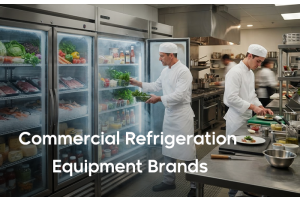
Commercial Refrigeration Equipment
Refrigeration is essential for preserving ingredients and maintaining food safety standards throughout daily operations.
Commercial refrigeration may include:
-
Upright refrigerators
-
Upright freezers
-
Undercounter refrigerators
-
Preparation counters
-
Blast chillers
-
Display refrigerators
-
Beverage coolers
Browse commercial refrigeration equipment for solutions suitable for restaurants, cafés, hotels, and foodservice businesses.
How to Choose Refrigeration Capacity
Refrigeration requirements depend on:
-
Number of menu items
-
Daily ingredient consumption
-
Delivery frequency
-
Kitchen size
-
Storage organisation
-
Future expansion plans
Restaurants with extensive menus generally require larger refrigerated storage than cafés or small takeaway concepts.
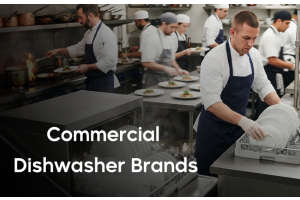
Warewashing Equipment
Efficient warewashing supports hygiene standards while ensuring plates, glasses, and utensils return to service quickly.
Commercial warewashing equipment includes:
-
Undercounter dishwashers
-
Hood-type dishwashers
-
Glass washers
-
Pre-rinse units
-
Stainless-steel sinks
-
Drying racks
The appropriate dishwasher depends on customer volume, peak-hour demand, and available washing space.
Large restaurants and hotels typically require higher-capacity systems compared to cafés or small restaurants.
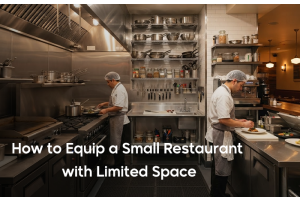
Storage and Stainless-Steel Equipment
Storage equipment improves organisation and kitchen efficiency by keeping ingredients, utensils, packaging materials, and cleaning supplies properly arranged.
Typical storage equipment includes:
-
Stainless-steel worktables
-
Shelving systems
-
Wall shelves
-
Ingredient bins
-
Storage cabinets
-
Mobile trolleys
-
Preparation sinks
A well-organised storage area reduces unnecessary movement and supports a smoother workflow between receiving, preparation, cooking, and service.
Service and Display Equipment
The final stage of restaurant operations involves serving food while maintaining quality and presentation.
Service equipment may include:
-
Heated display cabinets
-
Refrigerated display units
-
Food warmers
-
Beverage dispensers
-
Buffet equipment
-
Serving stations
-
Food transport trolleys
Restaurants, cafés, bakeries, and hotels all require different display and service solutions depending on their operating model.
Equipment Selection by Restaurant Type
Different food businesses require different equipment combinations.
Fast Food Restaurants
Typically require:
-
Fryers
-
Griddles
-
Bun toasters
-
Refrigerated preparation counters
-
Holding equipment
-
Packaging stations
Cafés
Usually need:
-
Coffee equipment
-
Ice machines
-
Display refrigerators
-
Beverage refrigeration
-
Dessert preparation equipment
-
Food preparation tools
Pizza Restaurants
Generally require:
-
Pizza ovens
-
Dough mixers
-
Dough preparation stations
-
Refrigerated topping counters
-
Dough storage equipment
Hotels
Hotels often require:
-
High-capacity cooking equipment
-
Large refrigeration systems
-
Commercial warewashing
-
Buffet equipment
-
Bulk food preparation equipment
Central Kitchens
Central production facilities typically require:
-
High-capacity preparation equipment
-
Large cooking systems
-
Extensive cold storage
-
Packaging stations
-
Production workflow planning
How Production Volume Affects Equipment Selection
Production volume is one of the most important purchasing considerations.
A restaurant serving 80 meals per day has different equipment requirements than one producing 800 meals daily.
Before purchasing equipment, estimate:
-
Daily orders
-
Peak-hour demand
-
Ingredient preparation volume
-
Storage requirements
-
Staff size
-
Production hours
-
Future growth
Selecting equipment based only on today's requirements may limit future expansion, while oversizing equipment unnecessarily can increase investment costs and reduce available workspace.
Planning Kitchen Workflow
Equipment should never be selected individually without considering kitchen layout.
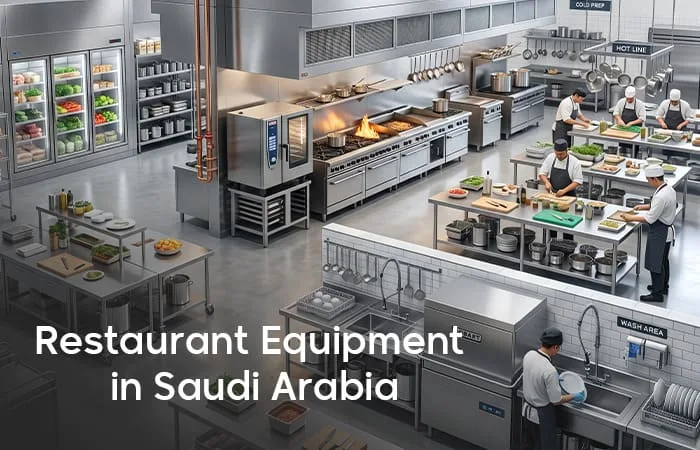
A typical commercial kitchen workflow follows this sequence:
-
Receiving deliveries
-
Storage
-
Food preparation
-
Cooking
-
Holding and plating
-
Service
-
Warewashing
Positioning equipment according to this workflow reduces staff movement, prevents bottlenecks, and improves operational efficiency.
Common Mistakes When Buying Restaurant Equipment
Many restaurant owners make purchasing decisions without considering long-term operations.
Common mistakes include:
-
Buying equipment before finalising the menu
-
Choosing based only on price
-
Underestimating refrigeration needs
-
Ignoring production capacity
-
Poor kitchen layout planning
-
Buying residential instead of commercial equipment
-
Overlooking cleaning and maintenance requirements
-
Forgetting future expansion
Avoiding these mistakes can significantly improve kitchen productivity and reduce operating costs over time.
Tips Before Purchasing Commercial Kitchen Equipment
Before investing in restaurant equipment, keep these recommendations in mind:
Start with Your Menu
The menu determines almost every equipment requirement.
Estimate Peak Production
Buy equipment that handles busy periods rather than average daily demand.
Measure Your Kitchen
Ensure adequate working space, ventilation, maintenance access, and workflow.
Prioritise Commercial Quality
Choose equipment designed specifically for commercial foodservice environments.
Plan for Growth
Consider future menu expansion and increasing customer demand when selecting equipment capacities.
Why Choose Kawader Store?
Kawader Store offers a comprehensive selection of restaurant equipment in Saudi Arabia for commercial foodservice businesses, including cooking equipment, food preparation equipment, refrigeration systems, storage solutions, and more.
Whether you're opening a café, restaurant, bakery, hotel kitchen, or central production facility, Kawader Store provides commercial equipment suitable for different business sizes and operational requirements.
Our wide product selection allows restaurant owners to build efficient kitchens that improve workflow, maximise productivity, and support long-term business growth.
Conclusion
Choosing the right restaurant equipment in Saudi Arabia is one of the most important decisions for any foodservice business. Every category from food preparation and cooking to refrigeration, warewashing, storage, and service plays a critical role in daily operations.
Instead of purchasing equipment individually, develop a complete kitchen plan based on your menu, production capacity, available space, and workflow. Investing in the right commercial kitchen equipment from the beginning will improve efficiency, reduce operational challenges, and support sustainable business growth.
Browse restaurant equipment at Kawader Store or contact the team for project-based recommendations tailored to your commercial kitchen needs.