
Commercial Ice Equipment: How to Choose the Right Ice Maker






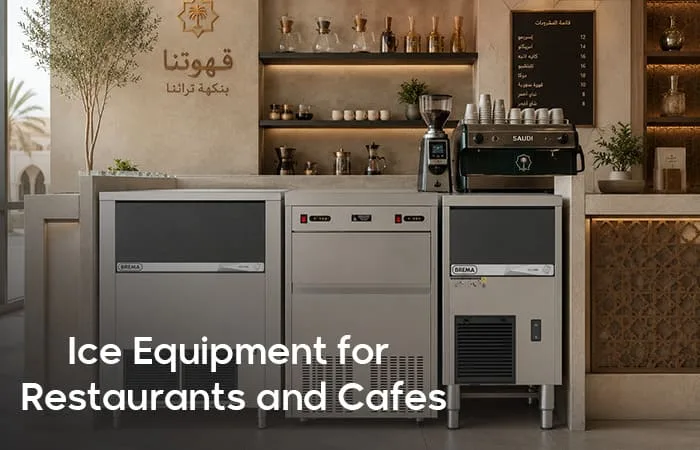
Ice is an essential part of many foodservice operations, especially restaurants, cafés, hotels, juice shops, and beverage-focused businesses. From iced coffee and soft drinks to cocktails, smoothies, and food presentation, reliable ice production directly affects service speed and customer experience.
Choosing the right commercial ice equipment requires more than selecting a machine based on size or price. Businesses need to consider ice type, daily production capacity, storage requirements, water quality, installation conditions, ventilation, and peak-hour demand.
A properly selected ice maker helps prevent shortages during busy periods, improves beverage consistency, and supports smooth daily operations.
This guide explains how to choose the right commercial ice machine for restaurants and cafés, including ice types, production capacity, storage, installation requirements, and maintenance considerations.
Why Ice Capacity Matters for Restaurants and Cafes
Ice demand can vary significantly depending on the type of business. A small coffee shop may need a limited amount of ice, while a busy restaurant or beverage concept may require continuous production throughout the day.
Choosing insufficient ice capacity can lead to:
- Beverage preparation delays.
- Customer waiting time.
- Reduced menu availability.
- Increased pressure on staff.
- Emergency ice purchases.
On the other hand, selecting a machine that is much larger than required may increase investment costs and occupy unnecessary space.
The correct approach is to calculate ice demand based on:
- Number of daily customers.
- Beverage menu.
- Peak-hour orders.
- Drink sizes.
- Operating hours.
- Storage capacity.
Understanding Commercial Ice Maker Production Capacity
Commercial ice machines are commonly measured by their production output, usually in kilograms of ice produced per day.
When selecting an ice maker, consider:
- Average daily ice consumption.
- Peak demand periods.
- Recovery time between batches.
- Available storage capacity.
- Future business growth.
Calculating Ice Demand
A simple way to estimate ice requirements is to consider:
- How many cold beverages are sold daily?
- How much ice is used per drink?
- Are there additional uses such as food displays or preparation?
- Are there busy seasonal periods?
For example, a café with a large iced coffee menu will typically require more ice production than a coffee shop focused mainly on hot beverages.
Types of Ice Used in Restaurants and Cafes
Different businesses require different ice shapes depending on the application.
Common commercial ice types include:
- Cube ice.
- Gourmet ice.
- Nugget ice.
- Flake ice.
- Crushed ice.
Cube Ice
Cube ice is one of the most common options for restaurants and cafés.
It is suitable for:
- Soft drinks.
- Iced coffee.
- Juice.
- General beverage service.
Cube ice melts more slowly compared with smaller ice types, making it a practical choice for many foodservice applications.
Gourmet Ice
Gourmet ice is often used in premium beverage concepts where appearance and presentation are important.
It is suitable for:
- Specialty drinks.
- Premium cafés.
- Hotels.
- High-end beverage service.
Nugget and Soft Ice
Soft ice options are commonly used in beverage-focused businesses where texture and fast consumption are important.
Applications may include:
- Smoothies.
- Cold drinks.
- Specialty beverages.
Flake Ice
Flake ice is commonly used for:
- Food displays.
- Seafood presentation.
- Cold storage applications.
The right ice type depends on the business model and customer expectations.
Choosing a Commercial Ice Maker by Business Type
Different foodservice businesses have different ice requirements.
Cafés
Cafés typically use ice for:
- Iced coffee.
- Cold brew.
- Smoothies.
- Cold beverages.
Important considerations:
- Daily beverage volume.
- Counter space.
- Ice storage.
- Peak morning and afternoon demand.
Restaurants
Restaurants may use ice for:
- Drinks.
- Food presentation.
- Beverage stations.
- Customer service.
They often require higher production capacity due to larger customer numbers.
Hotels and Catering Businesses
Hotels and catering operations usually need:
- Large production capacity.
- Reliable storage.
- Continuous availability.
- Multiple service points.
Commercial Ice Equipment Options
Explore commercial ice equipment for professional ice production solutions designed for restaurants, cafés, and foodservice operations.
Small to Medium Ice Makers
Suitable for:
- Small cafés.
- Restaurants with moderate beverage demand.
- Limited-space kitchens.
High-Capacity Ice Makers
Suitable for:
- Busy restaurants.
- Hotels.
- Large cafés.
- Beverage-focused businesses.
Higher-capacity machines provide more consistent supply during long operating hours.
Ice Storage Capacity
Ice production and ice storage are two different considerations. A machine may produce enough ice daily, but without sufficient storage, businesses may still experience shortages during peak periods.
Important storage factors include:
- Bin capacity.
- Peak-hour demand.
- Available space.
- Frequency of ice usage.
A good ice setup combines:
- Suitable production capacity.
- Enough storage.
- Easy access during service.
Example Ice Machine Capacities
45 kg Cube Ice Maker
A 45 kg cube ice maker can be suitable for smaller foodservice operations requiring regular ice production without large storage needs.
Common applications:
- Small cafés.
- Beverage stations.
- Restaurants with moderate demand.
150 kg Ice Maker
A 150 kg Scotsman ice maker is designed for businesses with higher ice requirements.
Suitable applications may include:
- Large restaurants.
- Hotels.
- High-volume cafés.
- Catering operations.
The correct capacity depends on actual daily demand rather than only business size.
Installation Requirements for Commercial Ice Machines
Proper installation affects performance, efficiency, and equipment lifespan.
Before installation, consider:
- Available water connection.
- Drainage requirements.
- Electrical supply.
- Ventilation space.
- Ambient temperature.
- Machine location.
Ventilation Requirements
Ice machines generate heat during operation. Proper airflow helps maintain performance and prevents overheating.
Avoid placing ice makers:
- Near ovens.
- Close to heat-producing equipment.
- In poorly ventilated areas.
- In direct sunlight.
A suitable installation location improves cooling efficiency and reduces operating stress.
Water Quality and Ice Production
Water quality directly affects ice quality and machine performance.
Poor water quality may cause:
- Mineral buildup.
- Reduced efficiency.
- Unpleasant taste.
- Shorter equipment lifespan.
Important considerations include:
- Water filtration.
- Regular cleaning.
- Local water conditions.
- Manufacturer recommendations.
Using proper water treatment solutions can improve ice clarity, taste, and machine reliability.
Energy and Operating Considerations
Commercial ice machines operate regularly, making efficiency an important factor.
Consider:
- Production capacity versus actual demand.
- Energy consumption.
- Water usage.
- Maintenance requirements.
- Machine operating conditions.
Selecting the correct size helps avoid unnecessary energy consumption while ensuring enough ice availability.
Ice Machine Maintenance Checklist
Regular maintenance keeps ice equipment operating efficiently.
Important tasks include:
- Cleaning internal components.
- Checking water filters.
- Sanitising ice storage areas.
- Removing mineral buildup.
- Inspecting connections.
- Following manufacturer maintenance schedules.
Clean ice equipment supports better hygiene and improves ice quality.
Common Mistakes When Choosing Ice Equipment
Avoid these common mistakes:
- Choosing capacity based only on business size.
- Ignoring peak-hour demand.
- Selecting the wrong ice type.
- Forgetting storage capacity.
- Poor machine placement.
- Ignoring water quality.
- Skipping regular cleaning.
- Installing equipment without proper ventilation.
A complete ice plan should consider production, storage, installation, and daily usage patterns.
Ice Equipment Checklist Before Purchase
Before buying a commercial ice maker, review:
Demand Requirements
- Daily beverage volume.
- Peak service periods.
- Future growth.
Ice Type
- Cube.
- Gourmet.
- Nugget.
- Flake.
Space Requirements
- Machine dimensions.
- Storage area.
- Ventilation.
- Drainage access.
Operating Requirements
- Water quality.
- Cleaning needs.
- Energy consumption.
- Maintenance support.
Why Choose Kawader for Commercial Ice Equipment?
Kawader provides commercial ice equipment solutions for restaurants, cafés, hotels, and beverage businesses.
From compact ice makers to higher-capacity production systems, Kawader helps businesses choose equipment based on beverage demand, operational needs, and available space.
Whether you are opening a small café or managing a high-volume restaurant, selecting the right ice machine ensures reliable supply and smoother service.
Conclusion
Choosing the right commercial ice equipment is essential for restaurants and cafés that depend on cold beverages and consistent service. The best ice maker depends on ice type, daily production capacity, storage requirements, water quality, installation conditions, and peak demand.
By evaluating your business needs before purchasing, you can select an ice solution that improves efficiency, reduces service interruptions, and supports long-term operations.
Browse commercial ice equipment from Kawader and choose the right ice maker for your restaurant, café, or beverage business.