
Commercial Refrigeration Equipment for Restaurants and Cafes
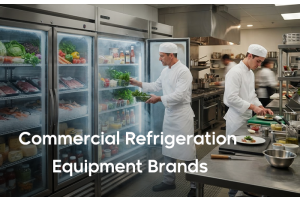






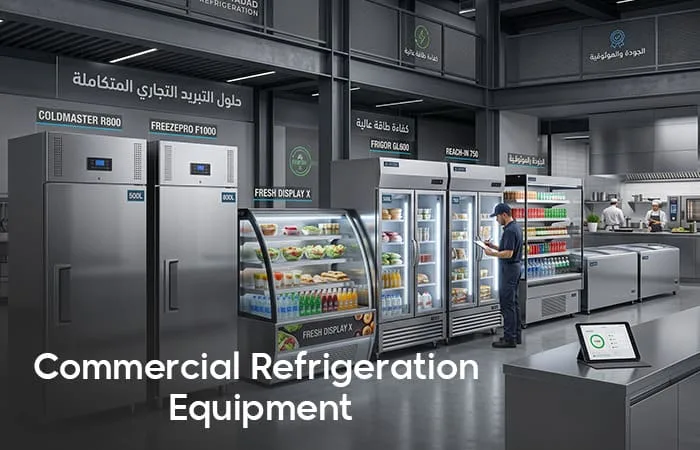
Commercial refrigeration equipment is one of the most important parts of any restaurant, café, bakery, hotel kitchen, or foodservice operation. Proper refrigeration helps maintain ingredient quality, improve food safety, reduce waste, and support smooth daily operations.
Unlike residential refrigerators, commercial refrigeration systems are designed for continuous use, frequent door opening, larger storage requirements, and demanding kitchen environments. Choosing the right equipment depends on the type of products being stored, required temperature ranges, available space, daily production volume, and workflow.
Whether you need refrigerators for fresh ingredients, freezers for frozen products, display units for customer-facing sales, or preparation counters for fast service, selecting the correct refrigeration solution is essential for an efficient commercial kitchen.
This guide explains the main types of commercial refrigeration equipment, their uses, capacity considerations, placement requirements, energy efficiency factors, and maintenance practices.
Why Commercial Refrigeration Equipment Matters
Refrigeration is not only about keeping food cold. It directly affects product quality, inventory management, and kitchen performance.
Reliable refrigeration helps businesses:
- Preserve fresh ingredients.
- Maintain proper storage temperatures.
- Reduce food waste.
- Organise inventory.
- Improve kitchen workflow.
- Protect sensitive products.
- Support higher production volumes.
Restaurants and cafés depend on refrigeration every day for storing:
- Meat and poultry.
- Dairy products.
- Vegetables and fruits.
- Sauces and prepared ingredients.
- Desserts.
- Beverages.
- Frozen products.
A poorly planned refrigeration setup can create operational problems, including limited storage capacity, difficult ingredient access, and increased product loss.
Types of Commercial Refrigeration Equipment
Commercial refrigeration includes several equipment categories, each designed for a specific purpose.
The main types include:
- Upright refrigerators.
- Upright freezers.
- Under-counter refrigerators.
- Preparation refrigerators.
- Display refrigerators.
- Beverage coolers.
- Chest freezers.
- Walk-in refrigeration systems for larger operations.
Explore commercial refrigeration equipment for professional cooling solutions designed for restaurants, cafés, bakeries, hotels, and foodservice businesses.
Commercial Refrigerators
Commercial refrigerators are used for storing fresh and chilled ingredients that require controlled temperatures.
Common applications include:
- Meat storage.
- Dairy storage.
- Vegetables.
- Fresh ingredients.
- Prepared foods.
- Sauces and condiments.
Upright Commercial Refrigerators
Upright refrigerators are among the most common refrigeration solutions in professional kitchens.
They provide:
- Vertical storage.
- Easy ingredient organisation.
- Multiple shelves.
- Efficient use of floor space.
- Quick access during service.
They are suitable for:
- Restaurants.
- Cafés.
- Bakeries.
- Catering kitchens.
- Hotels.
Choosing an Upright Refrigerator
Consider:
- Number of shelves.
- Internal capacity.
- Door configuration.
- Kitchen space.
- Daily ingredient volume.
- Temperature control features.
A small café may require a single-door refrigerator, while a busy restaurant may need multiple units to separate ingredients and improve organisation.
Commercial Freezers
Commercial freezers are designed for storing frozen ingredients and products that require lower temperatures.
Common uses include:
- Frozen meat.
- Frozen vegetables.
- Ice cream.
- Frozen dough.
- Prepared frozen items.
Upright Commercial Freezers
Upright freezers provide organised vertical storage and easy product visibility.
Explore options such as a 2-door upright freezer for businesses requiring larger frozen storage capacity and better organisation.
Benefits of Upright Freezers
They provide:
- Easy inventory management.
- Better product separation.
- Reduced floor space usage.
- Faster access compared with chest freezers.
Display Refrigerators
Display refrigeration combines food preservation with product presentation. These units are especially important for cafés, bakeries, dessert shops, supermarkets, and restaurants selling ready-to-serve products.
Explore 3-door display refrigerator solutions for businesses that need both visibility and temperature-controlled storage.
Storage Refrigeration vs Display Refrigeration
The main difference between storage and display refrigeration is the purpose.
|
Feature |
Storage Refrigeration |
Display Refrigeration |
|
Main purpose |
Ingredient preservation |
Product presentation and sales |
|
Location |
Back-of-house |
Customer-facing areas |
|
Visibility |
Limited |
High visibility |
|
Common uses |
Meat, dairy, vegetables |
Desserts, drinks, ready products |
Both types can be important depending on the business model.
Beverage Coolers for Restaurants and Cafes
Beverage coolers are essential for businesses that sell cold drinks, including:
- Cafés.
- Fast-food restaurants.
- Juice shops.
- Convenience stores.
- Hotels.
They help keep beverages organised and ready for service.
Important considerations include:
- Bottle and can capacity.
- Door style.
- Visibility.
- Placement near service areas.
- Temperature consistency.
A beverage cooler placed near the customer service area can improve speed and encourage additional purchases.
Preparation Refrigeration Equipment
Preparation refrigerators combine cold storage with workspace, making them valuable in fast-paced kitchens.
They are commonly used for:
- Sandwich preparation.
- Pizza topping stations.
- Salad preparation.
- Burger assembly.
- Cold food preparation.
Benefits of Preparation Counters
They provide:
- Ingredient access during service.
- Reduced movement between stations.
- Better organisation.
- Faster assembly.
- Space-saving solutions.
For quick-service restaurants, preparation refrigeration can significantly improve workflow.
Choosing Refrigeration Capacity
Capacity is one of the most important factors when selecting commercial refrigeration equipment.
The correct size depends on:
- Daily ingredient usage.
- Menu size.
- Number of customers.
- Delivery schedule.
- Storage requirements.
- Available kitchen space.
Small Businesses
Small cafés or restaurants may need:
- Compact refrigerators.
- Small freezers.
- Beverage coolers.
- Limited display refrigeration.
Medium Businesses
Medium restaurants often require:
- Multiple refrigerators.
- Dedicated freezers.
- Preparation counters.
- Beverage storage.
High-Volume Operations
Large restaurants, hotels, and central kitchens may require:
- Multiple refrigeration zones.
- High-capacity freezers.
- Large preparation refrigerators.
- Specialised storage systems.
Choosing the right capacity prevents overloading and improves product organisation.
Temperature Requirements in Commercial Refrigeration
Different products require different storage conditions. Understanding temperature needs helps businesses select suitable equipment.
Common storage categories include:
Chilled Storage
Used for:
- Dairy products.
- Fresh vegetables.
- Prepared foods.
- Beverages.
Frozen Storage
Used for:
- Frozen ingredients.
- Ice cream.
- Frozen products.
Display Storage
Used for:
- Desserts.
- Drinks.
- Ready-to-eat items.
The refrigeration system should match the product requirements rather than simply providing available space.
Energy Efficiency Considerations
Commercial refrigeration operates continuously, making energy efficiency an important purchasing factor.
When selecting equipment, consider:
- Insulation quality.
- Compressor efficiency.
- Door sealing.
- Temperature control.
- Usage patterns.
- Maintenance requirements.
Energy-efficient refrigeration can help reduce long-term operating costs while maintaining reliable performance.
Refrigeration Equipment Placement
Correct placement improves efficiency and extends equipment life.
Consider the following:
- Allow proper ventilation around the unit.
- Keep equipment away from excessive heat sources.
- Place frequently used refrigerators near preparation areas.
- Keep beverage coolers close to service points.
- Ensure easy access for cleaning and maintenance.
Poor placement can increase energy consumption and reduce cooling performance.
Commercial Refrigeration Maintenance
Regular maintenance is essential for reliable refrigeration performance.
Important maintenance tasks include:
- Cleaning condenser areas.
- Checking door seals.
- Monitoring temperature.
- Removing ice buildup.
- Cleaning internal surfaces.
- Organising stored products.
- Inspecting unusual sounds or performance issues.
Preventive maintenance reduces breakdown risks and helps protect stored products.
Common Mistakes When Choosing Refrigeration Equipment
Avoid these common mistakes:
- Choosing capacity based only on available space.
- Underestimating storage needs.
- Ignoring product temperature requirements.
- Placing equipment in unsuitable locations.
- Buying equipment without considering maintenance.
- Choosing residential refrigerators for commercial use.
- Poor organisation of stored products.
A refrigeration plan should support daily operations, not only solve immediate storage needs.
Commercial Refrigeration Checklist Before Purchase
Before buying refrigeration equipment, review:
Product Requirements
- What products need refrigeration?
- What temperatures are required?
- Are products fresh, frozen, or ready-to-serve?
Capacity Requirements
- How much stock is stored daily?
- How often are deliveries received?
- Are future growth plans considered?
Space Requirements
- Available floor area.
- Door clearance.
- Ventilation space.
- Workflow location.
Operating Requirements
- Energy consumption.
- Cleaning access.
- Maintenance support.
- Daily usage intensity.
Choosing Refrigeration by Business Type
Restaurants
Usually require:
- Upright refrigerators.
- Freezers.
- Preparation refrigerators.
- Ingredient storage solutions.
Cafés
Common requirements:
- Beverage coolers.
- Display refrigerators.
- Undercounter refrigeration.
- Small ingredient storage.
Bakeries and Dessert Shops
Often need:
- Display refrigerators.
- Ingredient refrigerators.
- Freezers.
- Product storage solutions.
Hotels and Catering
Typically require:
- High-capacity refrigeration.
- Multiple storage zones.
- Large freezers.
- Professional preparation systems.
Why Choose Kawader for Commercial Refrigeration Equipment?
Kawader provides commercial refrigeration solutions for restaurants, cafés, bakeries, hotels, and foodservice businesses.
From refrigerators and freezers to display units and preparation refrigeration, Kawader helps businesses select equipment based on storage needs, kitchen layout, and operating requirements.
Whether you are opening a new restaurant or upgrading an existing kitchen, choosing the right refrigeration equipment supports better organisation, food quality, and daily efficiency.
Conclusion
Commercial refrigeration equipment is a critical investment for any foodservice business. The right combination of refrigerators, freezers, display units, beverage coolers, and preparation counters helps maintain product quality and improve kitchen performance.
Before purchasing, evaluate your menu, storage requirements, available space, and daily production volume. A properly planned refrigeration system provides reliable performance, reduces waste, and supports long-term restaurant success.
Explore commercial refrigeration equipment from Kawader and choose the right cooling solutions for your restaurant, café, or foodservice project.