
Bakery Equipment: Essential Machines for Daily Production







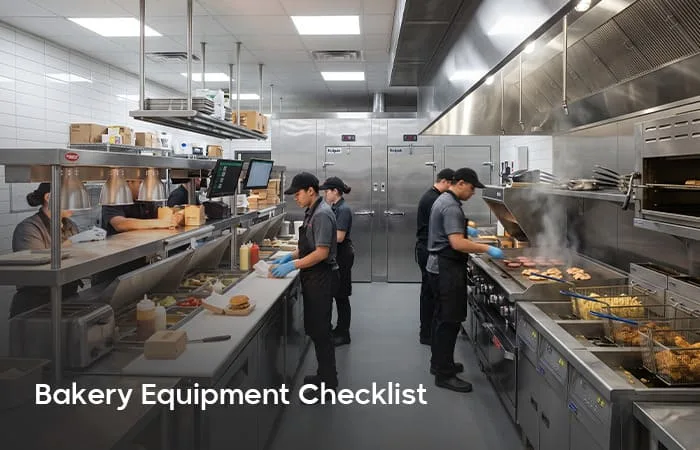
Opening a bakery requires more than quality recipes and skilled bakers. The right bakery equipment plays a major role in production speed, product consistency, food quality, and daily operational efficiency.
From mixing dough and shaping products to baking, cooling, storing, and displaying finished items, every stage of bakery production depends on reliable commercial equipment. Choosing the right machines helps bakeries handle higher production volumes, reduce manual effort, and maintain consistent results across every batch.
Whether you are opening a small bakery, pastry shop, café bakery, or large commercial production facility, your equipment selection should match your product range, daily output, available space, and growth plans.
This guide covers the essential bakery equipment needed for daily production, including mixers, dough preparation machines, ovens, refrigeration, storage, display solutions, trays, and racks.
How to Plan Bakery Equipment Before Opening
Before purchasing equipment, define your bakery concept and production requirements. A bakery producing bread, pastries, cakes, and pizza products will require a different setup compared with a small pastry-focused shop.
Start by evaluating:
- Product range.
- Daily production volume.
- Required baking capacity.
- Available kitchen space.
- Number of employees.
- Storage requirements.
- Sales channels.
- Future expansion plans.
A successful bakery workflow should move smoothly from ingredient storage to preparation, shaping, baking, cooling, display, and customer service.
Main Bakery Equipment Categories
A commercial bakery usually requires equipment across several production stages:
- Mixing and dough preparation.
- Dough forming and shaping.
- Baking.
- Cooling and storage.
- Display and service.
- Trays and rack systems.
Each category supports a specific part of the production process.
Mixing and Dough Preparation Equipment
Mixing is one of the most important stages in bakery production. Proper mixing affects dough consistency, texture, and final product quality.
Essential mixing equipment may include:
- Spiral mixers.
- Planetary mixers.
- Dough mixers.
- Pastry mixers.
- Dough preparation tools.
- Ingredient containers.
Explore mixers and pastry machines for commercial solutions designed for bakeries and pastry production.
Choosing the Right Bakery Mixer
The correct mixer depends on:
- Type of products produced.
- Dough quantity per batch.
- Daily production volume.
- Required mixing speed.
- Available workspace.
Small Bakeries
Small bakeries may need compact mixers suitable for:
- Cakes.
- Pastry dough.
- Small bread batches.
- Cream preparation.
High-Production Bakeries
Large bakeries require mixers capable of handling:
- Larger dough quantities.
- Continuous production.
- Multiple product types.
- Heavy daily workloads.
Choosing a mixer with insufficient capacity can slow production and increase operating pressure.
Dough Forming and Shaping Equipment
After mixing, many bakery products require shaping, portioning, or preparation before baking.
Depending on the product range, bakeries may use:
- Dough sheeters.
- Dough dividers.
- Dough cutters.
- Rolling equipment.
- Pastry preparation tools.
Dough Sheeters
Dough sheeters help create consistent thickness for products such as:
- Pastries.
- Croissants.
- Pizza dough.
- Flatbreads.
- Laminated dough products.
Benefits include:
- Faster preparation.
- Consistent thickness.
- Reduced manual effort.
- Improved product uniformity.
For bakeries producing large quantities, dough forming equipment improves speed and consistency.
Commercial Bakery Ovens
Baking is the final production stage where quality and consistency become visible. The oven selection should match the bakery’s product range and expected output.
Explore commercial bakery ovens for professional baking solutions suitable for different bakery concepts.
Common bakery ovens include:
- Convection ovens.
- Deck ovens.
- Rack ovens.
- Combination ovens.
- Specialty baking ovens.
Choosing the Right Bakery Oven
Consider:
- Product type.
- Baking temperature requirements.
- Tray capacity.
- Daily production volume.
- Available energy supply.
- Kitchen ventilation.
A pastry shop may prioritise precision and even heat distribution, while a bread-focused bakery may require higher-capacity baking systems.
Oven Selection by Bakery Type
Bread Bakery
Common requirements:
- High-capacity ovens.
- Dough mixers.
- Proofing solutions.
- Storage racks.
- Cooling areas.
Pastry Shop
Common requirements:
- Planetary mixers.
- Pastry equipment.
- Convection ovens.
- Display refrigerators.
- Preparation tools.
Pizza Bakery
Common requirements:
- Pizza ovens.
- Dough preparation equipment.
- Refrigerated preparation counters.
- Storage solutions.
Refrigeration Equipment for Bakeries
Refrigeration is essential for storing ingredients and maintaining product quality.
Bakery refrigeration may include:
- Upright refrigerators.
- Freezers.
- Ingredient refrigerators.
- Display refrigerators.
- Preparation counters.
Explore commercial display refrigerators for bakery applications requiring attractive product presentation and proper temperature control.
Why Bakeries Need Refrigeration
Refrigeration helps store:
- Dairy products.
- Creams.
- Chocolate.
- Fruits.
- Dough ingredients.
- Finished desserts.
The required refrigeration capacity depends on product range and daily production volume.
Bakery Display Equipment
Display is an important part of bakery sales because customers often make purchasing decisions based on product appearance.
Display equipment may include:
- Refrigerated display cases.
- Bakery showcases.
- Counter displays.
- Heated displays.
- Product presentation shelves.
Benefits of Professional Bakery Displays
Good display solutions help:
- Highlight fresh products.
- Increase customer engagement.
- Improve product organisation.
- Maintain product quality.
- Support impulse purchases.
A bakery display should balance visual presentation with practical access for staff.
Storage Equipment for Bakeries
Efficient storage keeps ingredients organised and improves production workflow.
Essential storage equipment includes:
- Stainless-steel shelving.
- Ingredient racks.
- Storage containers.
- Flour storage solutions.
- Dry storage cabinets.
- Mobile carts.
Dry Storage Planning
A bakery storage area should provide:
- Easy ingredient access.
- Protection from moisture.
- Clear organisation.
- Separation between ingredients.
- Space for future inventory.
Proper storage reduces preparation delays and improves kitchen organisation.
Trays and Rack Systems
Trays and racks are essential for organising production from preparation to baking and cooling.
Common bakery accessories include:
- Baking trays.
- Sheet pans.
- Cooling racks.
- Tray trolleys.
- Storage racks.
Why Bakery Racks Matter
Proper rack systems help:
- Maximise available space.
- Organise production flow.
- Transport products safely.
- Improve cooling processes.
- Reduce handling time.
The number of trays and racks required depends on daily production volume and product variety.
Bakery Preparation Area Checklist
A well-designed preparation area improves productivity and reduces unnecessary movement.
Essential preparation equipment may include:
- Stainless-steel work tables.
- Mixing stations.
- Ingredient containers.
- Cutting tools.
- Scales.
- Preparation accessories.
The preparation area should be positioned close to storage and production equipment to create an efficient workflow.
Selecting Bakery Equipment Based on Daily Production
Production volume is one of the most important factors when selecting bakery machines.
Small Bakery
Recommended equipment:
- Compact mixer.
- Small commercial oven.
- Basic preparation tools.
- Limited refrigeration.
- Small display unit.
Suitable for neighbourhood bakeries and small pastry concepts.
Medium Bakery
Recommended equipment:
- Larger mixer.
- Professional oven.
- Dough preparation equipment.
- Refrigeration systems.
- Display equipment.
- Storage racks.
Suitable for bakeries with regular customer demand.
Large Commercial Bakery
Recommended equipment:
- High-capacity mixers.
- Industrial baking ovens.
- Dough processing equipment.
- Large refrigeration.
- Production storage systems.
- Multiple rack systems.
Suitable for wholesale production and high-volume operations.
Bakery Equipment Checklist by Production Area
|
Production Area |
Essential Equipment |
|
Mixing |
Mixers, ingredient containers, preparation tools |
|
Dough Processing |
Dough sheeters, cutters, forming equipment |
|
Baking |
Commercial ovens, trays, baking accessories |
|
Cooling |
Cooling racks, storage racks, refrigeration |
|
Display |
Bakery showcases, display refrigerators |
|
Storage |
Shelving, containers, ingredient storage |
Common Mistakes When Setting Up a Bakery
Avoid these common mistakes:
- Buying equipment before defining products.
- Choosing machines based only on price.
- Underestimating production volume.
- Selecting an oven that cannot handle demand.
- Ignoring storage requirements.
- Poor workflow planning.
- Buying equipment that does not fit available space.
- Forgetting maintenance needs.
A complete bakery equipment plan should consider both current production and future growth.
Tips Before Buying Bakery Equipment
Define Your Product Range
Bread, pastries, cakes, and pizza products require different equipment combinations.
Estimate Daily Output
Choose equipment based on production targets and peak demand.
Plan Your Workflow
Arrange equipment according to production stages.
Invest in Commercial Quality
Professional bakery equipment is designed for repeated daily operation.
Consider Expansion
Choose equipment that can support increased production as the business grows.
Why Choose Kawader for Bakery Equipment?
Kawader provides commercial equipment solutions for bakeries, pastry shops, cafés, and foodservice projects.
From bakery ovens and preparation machines to refrigeration, display solutions, and storage equipment, Kawader helps businesses create efficient production environments based on their operational needs.
Whether you are opening a small bakery or developing a large production facility, selecting the right equipment improves consistency, productivity, and long-term performance.
Conclusion
A complete bakery equipment checklist helps business owners prepare every production stage before opening. Mixers, dough preparation equipment, ovens, refrigeration, storage systems, display units, trays, and racks all contribute to a successful bakery operation.
Before investing, connect your equipment choices to your products, daily production volume, available space, and workflow requirements. A well-planned bakery setup creates faster production, consistent quality, and a stronger foundation for business growth.
Browse bakery and pizza equipment from Kawader and choose the commercial solutions needed for your bakery project.