
Fast-Food Restaurant Equipment for Speed and High Output
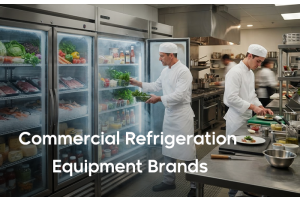
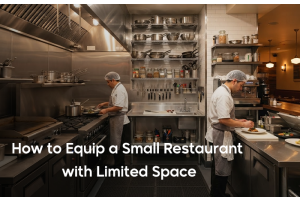


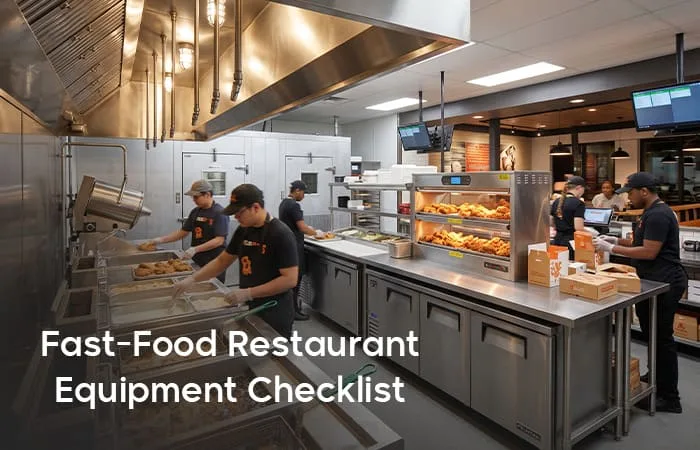
Opening a fast-food restaurant requires equipment designed for speed, consistency, and high production volume. Unlike traditional restaurants, quick-service concepts depend on efficient workflows that allow teams to prepare large numbers of orders within short periods, especially during peak hours.
The right fast-food restaurant equipment helps businesses reduce waiting times, maintain consistent food quality, improve kitchen organisation, and handle increased customer demand. From frying and grilling to refrigeration, preparation, holding, and packaging, every station must work together as part of a complete production system.
Whether you are opening a burger restaurant, fried chicken concept, sandwich shop, or quick-service takeaway location, your equipment selection should match your menu, expected order volume, available space, and service model.
This guide covers the essential equipment needed for a fast-food kitchen setup, including cooking stations, preparation areas, cold storage, holding solutions, and packaging workflows.
How to Plan a Fast-Food Kitchen Setup
Fast-food restaurants rely on speed and repetition, so kitchen planning should focus on workflow efficiency.
Before purchasing equipment, consider:
- Menu items.
- Expected daily orders.
- Peak-hour demand.
- Cooking methods.
- Kitchen size.
- Number of employees.
- Delivery and takeaway requirements.
A well-designed quick-service kitchen should allow ingredients to move smoothly through these stages:
- Receiving and storage.
- Preparation.
- Cooking.
- Holding.
- Assembly.
- Packaging.
- Customer pickup or delivery.
Each stage requires equipment that supports fast and organised operations.
Essential Fast-Food Restaurant Equipment Categories
A complete fast-food equipment setup usually includes:
- Frying equipment.
- Grilling equipment.
- Food preparation equipment.
- Refrigeration.
- Holding equipment.
- Beverage equipment.
- Packaging stations.
- Cleaning and storage solutions.
The exact equipment combination depends on the restaurant concept and production requirements.
Frying Equipment for Fast-Food Restaurants
Frying is one of the most common cooking methods in quick-service restaurants. French fries, chicken products, snacks, and fried sides require reliable equipment capable of handling repeated production throughout the day.
Essential frying equipment may include:
- Commercial fryers.
- Fry baskets.
- Oil filtration systems.
- Fry holding units.
- Stainless-steel preparation stations.
Explore 2×32 L double electric fryer solutions for high-output frying applications where speed and production capacity are important.
Choosing the Right Commercial Fryer
When selecting fryer equipment, consider:
- Daily frying volume.
- Number of menu items.
- Peak-hour demand.
- Oil capacity.
- Recovery time between batches.
- Available kitchen space.
- Cleaning requirements.
A small takeaway restaurant may need a compact fryer setup, while a busy fast-food branch may require multiple fryers to maintain continuous service.
Grilling Equipment for Fast-Food Restaurants
Grilled products are a major part of many quick-service menus, especially burgers, sandwiches, and grilled chicken concepts.
Common grilling equipment includes:
- Flat-top griddles.
- Charbroilers.
- Contact grills.
- Cooking ranges.
- Grill accessories.
Explore commercial grills for professional cooking solutions suitable for restaurants requiring consistent grilling performance.
Choosing Grilling Equipment
Consider:
- Number of burgers or grilled items per hour.
- Cooking surface size.
- Menu variety.
- Heat recovery speed.
- Available ventilation.
- Cleaning requirements.
A larger cooking surface allows staff to prepare multiple orders simultaneously, reducing delays during busy periods.
Burger Preparation Equipment
Burger restaurants require equipment that supports fast assembly and consistent product quality.
Common burger preparation equipment includes:
- Meat preparation tools.
- Refrigerated preparation counters.
- Ingredient containers.
- Cutting tools.
- Portioning equipment.
- Sauce stations.
A well-organised burger station allows employees to move quickly between cooking, assembly, and packaging.
Burger Bun Toasting Equipment
Toasted buns improve product quality and customer experience in burger concepts. Dedicated bun toasters help achieve consistent results during high-volume service.
Explore burger bun toasters for equipment designed to support fast sandwich production.
Benefits of Commercial Bun Toasters
They help:
- Improve preparation speed.
- Create consistent toast levels.
- Reduce manual cooking steps.
- Support peak-hour production.
- Maintain product standards.
The right toaster capacity depends on the number of sandwiches produced daily.
Food Preparation Equipment Checklist
Preparation is a critical part of fast-food operations because many ingredients must be ready before service begins.
Preparation equipment may include:
- Vegetable cutters.
- Food processors.
- Meat preparation tools.
- Slicers.
- Mixing equipment.
- Stainless-steel worktables.
- Ingredient containers.
Advance preparation helps reduce service time and allows kitchen teams to focus on order completion during busy periods.
Advance Preparation and Mise en Place
Fast-food restaurants depend heavily on preparation before peak service.
Common preparation tasks include:
- Cutting vegetables.
- Preparing sauces.
- Portioning ingredients.
- Preparing meat products.
- Organising packaging materials.
- Filling ingredient stations.
A strong preparation system helps:
- Reduce customer waiting time.
- Improve consistency.
- Prevent workflow interruptions.
- Increase staff efficiency.
Refrigeration Equipment for Fast-Food Kitchens
Fast-food restaurants require reliable refrigeration to store:
- Meat products.
- Vegetables.
- Dairy ingredients.
- Sauces.
- Beverages.
- Prepared ingredients.
Essential refrigeration equipment includes:
- Upright refrigerators.
- Freezers.
- Preparation refrigerators.
- Undercounter refrigerators.
- Beverage coolers.
Choosing Refrigeration Capacity
The correct refrigeration setup depends on:
- Menu size.
- Daily sales volume.
- Ingredient usage.
- Delivery frequency.
- Storage organisation.
- Available space.
High-volume restaurants often require multiple refrigeration zones to separate ingredients and improve workflow.
Hot Holding Equipment
Fast-food restaurants often prepare certain products in advance to maintain service speed during busy periods.
Holding equipment may include:
- Heated holding cabinets.
- Heat lamps.
- Food warmers.
- Fry holding stations.
- Display warmers.
Why Hot Holding Matters
Proper holding equipment helps:
- Reduce customer waiting times.
- Maintain product availability.
- Improve peak-hour efficiency.
- Support order flow.
- Reduce pressure on cooking stations.
However, holding times should always be managed carefully to maintain food quality.
Beverage Equipment for Quick-Service Restaurants
Many fast-food concepts generate significant beverage sales, requiring dedicated beverage equipment.
Common beverage equipment includes:
- Beverage refrigerators.
- Ice machines.
- Drink dispensers.
- Blenders.
- Cup storage systems.
A well-organised beverage station helps employees complete orders faster and reduces congestion near the service counter.
Packaging and Takeaway Equipment
Packaging is an essential part of fast-food operations, especially for takeaway and delivery orders.
Packaging stations may include:
- Packaging tables.
- Food containers.
- Paper and bag storage.
- Order organisation racks.
- Labeling tools.
- Pickup shelves.
Designing a Packaging Station
A good packaging area should be:
- Close to the cooking line.
- Easy for staff to access.
- Organised by order type.
- Separate from preparation areas.
Efficient packaging reduces mistakes and improves delivery speed.
Fast-Food Equipment Selection by Business Type
Burger Restaurant
Typical equipment:
- Griddles.
- Bun toasters.
- Fryers.
- Refrigerated preparation counters.
- Holding equipment.
- Packaging stations.
Fried Chicken Restaurant
Typical equipment:
- Commercial fryers.
- Preparation equipment.
- Refrigeration.
- Holding cabinets.
- Packaging systems.
Sandwich Shop
Typical equipment:
- Grills.
- Preparation counters.
- Refrigeration.
- Toasting equipment.
- Beverage equipment.
High-Volume Quick-Service Restaurant
Typical equipment:
- Multiple cooking stations.
- High-capacity refrigeration.
- Advanced holding systems.
- Dedicated preparation areas.
- Multiple packaging points.
Peak-Hour Capacity Planning
Fast-food restaurants experience demand spikes during:
- Lunch periods.
- Dinner periods.
- Weekends.
- Seasonal promotions.
- Delivery peaks.
Equipment should be selected based on the busiest operating periods, not average daily sales.
Consider:
- Orders per hour.
- Cooking cycle times.
- Preparation speed.
- Staff movement.
- Storage capacity.
Underestimating peak demand can result in long waiting times and reduced customer satisfaction.
Kitchen Workflow Planning for Fast Food
A successful fast-food kitchen usually follows a clear production line:
- Storage.
- Preparation.
- Cooking.
- Holding.
- Assembly.
- Packaging.
- Service.
Equipment placement should minimise movement and keep frequently used stations close together.
Common Mistakes When Setting Up a Fast-Food Kitchen
Avoid these common mistakes:
- Choosing equipment based only on price.
- Buying insufficient fryer capacity.
- Ignoring peak-hour demand.
- Poor kitchen layout.
- Limited refrigeration space.
- Lack of preparation planning.
- Forgetting packaging workflow.
- Using unsuitable residential equipment.
A complete setup plan improves efficiency and prevents operational problems after opening.
Tips Before Buying Fast-Food Equipment
Match Equipment to Your Menu
Different concepts require different cooking and preparation solutions.
Calculate Production Volume
Estimate hourly demand during your busiest periods.
Prioritise High-Impact Equipment
Invest first in equipment that directly affects speed, such as fryers, grills, refrigeration, and holding systems.
Plan for Expansion
Choose equipment that can support increased demand as the business grows.
Consider Maintenance
Select equipment that is easy to clean, service, and operate daily.
Why Choose Kawader for Fast-Food Equipment?
Kawader provides commercial equipment solutions for fast-food restaurants and quick-service businesses, helping owners create efficient kitchens designed for speed and high output.
From cooking equipment and refrigeration to preparation tools, holding solutions, and service equipment, Kawader supports different restaurant concepts and production requirements.
Whether you are opening a burger restaurant, sandwich shop, fried chicken concept, or expanding an existing operation, choosing the right equipment creates a stronger foundation for daily performance.
Conclusion
A complete fast-food restaurant equipment checklist helps business owners prepare every station before opening. Fryers, grills, refrigeration, preparation equipment, holding systems, and packaging stations all contribute to faster service and consistent product quality.
Before purchasing equipment, evaluate your menu, expected orders, kitchen space, and peak-hour requirements. A well-planned fast-food kitchen setup improves efficiency, reduces delays, and supports long-term business growth.
Explore fast-food restaurant equipment from Kawader and build a professional quick-service kitchen designed for speed and high output.