
Breakfast Restaurant Equipment: A Practical Setup Guide






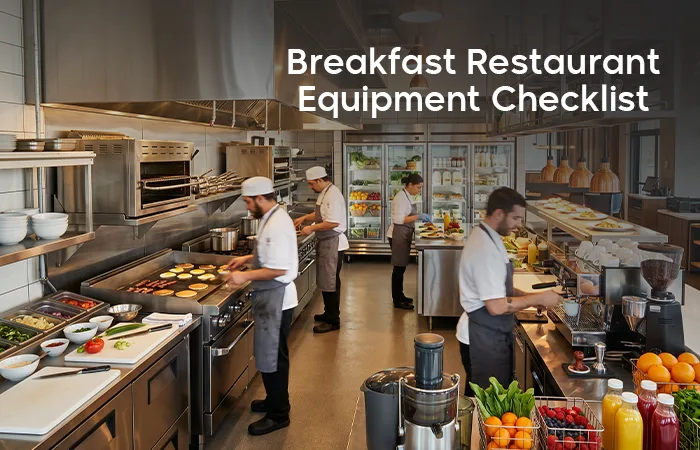
Opening a breakfast restaurant requires a carefully planned equipment setup that matches the menu, service style, and expected customer volume. Breakfast concepts often operate during short but busy service periods, which means speed, organisation, and preparation efficiency are essential.
From cooking eggs and pancakes to preparing coffee, juices, bakery items, and sandwiches, every station needs equipment designed for fast and consistent production. Choosing the right breakfast restaurant equipment helps reduce waiting times, improve workflow, and maintain food quality during peak breakfast hours.
This guide covers the essential equipment needed for a breakfast restaurant, including cooking equipment, griddles, fryers, ovens, beverage equipment, refrigeration, preparation tools, and food holding solutions.
How to Plan Equipment for a Breakfast Restaurant
Before purchasing equipment, start by analysing your breakfast concept and menu. Equipment requirements will vary depending on whether you operate a small breakfast café, a full-service restaurant, a hotel breakfast area, or a high-volume morning takeaway concept.
Consider:
- Menu items.
- Expected daily customers.
- Peak breakfast hours.
- Kitchen space.
- Number of employees.
- Preparation requirements.
- Service style.
A breakfast kitchen should be designed around speed because most customers arrive within a limited time window, creating high demand in the morning.
Connect Equipment Selection to the Breakfast Menu
The menu should determine the equipment investment. Different breakfast items require different preparation and cooking methods.
Common breakfast menu categories include:
- Eggs and omelettes.
- Pancakes and waffles.
- Toast and sandwiches.
- Pastries and bakery items.
- Coffee and hot beverages.
- Fresh juices.
- Fried breakfast items.
- Breakfast plates.
Each category requires specific equipment to support efficient production.
Breakfast Cooking Equipment Checklist
Cooking equipment is the core of any breakfast restaurant. The correct setup depends on the cooking techniques required by the menu.
Explore restaurant cooking equipment for commercial solutions suitable for breakfast concepts and foodservice operations.
Essential breakfast cooking equipment may include:
- Griddles.
- Fryers.
- Cooking ranges.
- Ovens.
- Salamanders.
- Panini grills.
- Toasting equipment.
- Food warming equipment.
Commercial Griddles for Breakfast Restaurants
Griddles are among the most important pieces of equipment for breakfast kitchens because they support multiple cooking applications.
They can be used for:
- Eggs.
- Pancakes.
- French toast.
- Hash browns.
- Burgers.
- Breakfast sandwiches.
- Toasting bread.
Choosing the Right Griddle
When selecting a breakfast griddle, consider:
- Cooking surface size.
- Daily production volume.
- Gas or electric requirements.
- Temperature control.
- Available counter space.
- Cleaning requirements.
A small breakfast café may need a compact griddle, while a busy restaurant requires a larger cooking surface to handle multiple orders simultaneously.
Egg Preparation Equipment
Eggs are a major part of many breakfast menus, and efficient preparation is important during busy morning periods.
Equipment requirements may include:
- Griddles.
- Cooking ranges.
- Frying pans.
- Preparation counters.
- Ingredient containers.
- Holding equipment.
A well-organised egg station helps staff prepare different egg styles quickly, including:
- Fried eggs.
- Scrambled eggs.
- Omelettes.
- Boiled eggs.
Fryers for Breakfast Restaurants
Although not every breakfast restaurant requires a fryer, many concepts serve fried breakfast items or side dishes.
Common fryer applications include:
- Hash browns.
- Fried potatoes.
- Chicken breakfast items.
- Snacks.
- Side portions.
Choosing a Commercial Fryer
Consider:
- Expected daily frying volume.
- Oil capacity.
- Available space.
- Cleaning requirements.
- Peak-hour demand.
Restaurants with limited fried menu items may require a smaller fryer, while larger concepts may need higher-capacity frying equipment.
Bakery and Toasting Equipment
Many breakfast restaurants serve bakery products and toasted items, requiring specialised equipment.
Common bakery-related equipment includes:
- Ovens.
- Bread toasters.
- Holding cabinets.
- Display units.
- Preparation tools.
These help maintain product quality while ensuring quick service during busy periods.
Coffee Equipment for Breakfast Restaurants
Coffee is one of the most important parts of the breakfast experience. Many customers expect fast and consistent coffee service alongside their meals.
Explore coffee equipment for commercial coffee solutions suitable for breakfast cafés and restaurants.
Essential coffee equipment may include:
- Espresso machines.
- Coffee grinders.
- Coffee brewers.
- Milk preparation tools.
- Coffee accessories.
- Cup storage solutions.
Planning the Coffee Station
A breakfast restaurant coffee station should support quick movement between:
- Coffee preparation.
- Brewing.
- Milk and finishing.
- Customer pickup.
A well-designed coffee station reduces delays and allows staff to handle high morning demand.
Juice and Beverage Equipment
Fresh juices and cold beverages are common breakfast menu items, requiring reliable preparation and storage equipment.
Equipment may include:
- Commercial juicers.
- Blenders.
- Beverage dispensers.
- Refrigerated storage.
- Ice equipment.
Choosing Beverage Equipment
Consider:
- Number of drinks sold daily.
- Menu variety.
- Preparation speed.
- Cleaning requirements.
- Available counter space.
A restaurant offering fresh juices as a main menu category will require more advanced beverage preparation equipment than a café focused mainly on coffee.
Refrigeration Equipment Checklist
Breakfast restaurants rely on refrigeration for storing:
- Eggs.
- Dairy products.
- Vegetables.
- Fruits.
- Cheese.
- Meat products.
- Prepared ingredients.
- Beverages.
Essential refrigeration equipment includes:
- Upright refrigerators.
- Undercounter refrigerators.
- Preparation refrigerators.
- Freezers.
- Beverage coolers.
Choosing Refrigeration Capacity
The required refrigeration capacity depends on:
- Menu size.
- Daily ingredient consumption.
- Delivery schedule.
- Storage organisation.
- Available kitchen space.
A breakfast restaurant with a large menu requires more organised cold storage to keep ingredients accessible during busy periods.
Food Preparation Equipment Checklist
Preparation equipment helps organise ingredients before service and reduces pressure during breakfast rush hours.
Essential preparation equipment may include:
- Stainless-steel preparation tables.
- Food processors.
- Slicers.
- Cutting tools.
- Ingredient containers.
- Mixing equipment.
Preparation should be completed before peak service whenever possible to improve speed and consistency.
Food Holding and Warming Equipment
Breakfast restaurants often prepare certain items in advance, making holding equipment important for maintaining quality.
Explore warmers and dispensers for solutions that help maintain food temperature during service.
Common holding equipment includes:
- Heated holding cabinets.
- Food warmers.
- Display warmers.
- Beverage dispensers.
- Serving stations.
Benefits of Holding Equipment
Proper holding solutions help:
- Reduce customer waiting time.
- Keep prepared food available during peak hours.
- Improve service flow.
- Support buffet-style operations.
- Reduce unnecessary re-cooking.
Breakfast Restaurant Equipment by Business Type
Small Breakfast Cafe
Recommended equipment:
- Compact griddle.
- Espresso machine.
- Small refrigerator.
- Basic preparation station.
- Limited beverage equipment.
Suitable for small menus and takeaway-focused concepts.
Medium Breakfast Restaurant
Recommended equipment:
- Larger griddle.
- Fryer.
- Coffee station.
- Refrigeration systems.
- Preparation equipment.
- Holding units.
Suitable for regular customer traffic.
High-Volume Breakfast Concept
Recommended equipment:
- Multiple cooking stations.
- High-capacity refrigeration.
- Advanced coffee setup.
- Large preparation area.
- Multiple holding solutions.
Suitable for hotels, busy restaurants, and high-demand locations.
Breakfast Kitchen Workflow Planning
A successful breakfast kitchen should follow a clear workflow:
- Ingredient storage.
- Preparation.
- Cooking.
- Holding.
- Plating.
- Service.
- Cleaning.
Equipment placement should minimise unnecessary movement and keep frequently used tools close to each workstation.
Common Mistakes When Setting Up a Breakfast Restaurant
Avoid these common mistakes:
- Choosing equipment without reviewing the menu.
- Underestimating morning peak demand.
- Buying insufficient refrigeration capacity.
- Poor placement of coffee equipment.
- Ignoring preparation needs.
- Selecting equipment based only on price.
- Not planning holding solutions.
- Using residential equipment instead of commercial equipment.
A complete setup plan prevents operational problems after opening.
Tips Before Buying Breakfast Restaurant Equipment
Analyse Your Menu
Identify the cooking methods and preparation steps required for every item.
Estimate Peak Orders
Breakfast demand is often concentrated within a few hours, so equipment must handle busy periods.
Plan Your Kitchen Layout
Arrange stations according to the flow of ingredients and staff movement.
Prioritise High-Use Equipment
Invest first in equipment that directly affects daily production, such as griddles, refrigeration, and coffee equipment.
Consider Future Growth
Choose equipment that can support menu expansion and increasing customer demand.
Why Choose Kawader for Breakfast Restaurant Equipment?
Kawader provides commercial equipment solutions for breakfast restaurants, cafés, and foodservice projects. From cooking equipment and coffee solutions to refrigeration, warming equipment, and preparation tools, Kawader helps businesses create efficient kitchen setups.
Whether you are launching a small breakfast café or building a high-volume restaurant, choosing the right equipment helps improve speed, consistency, and customer satisfaction.
Conclusion
A complete breakfast restaurant equipment checklist helps owners prepare every kitchen station before opening. The right combination of griddles, fryers, ovens, coffee equipment, refrigeration, preparation tools, and holding solutions creates a smoother operation.
Before purchasing, connect your equipment choices to your menu, production volume, and kitchen workflow. A properly planned breakfast restaurant setup improves service speed and supports consistent food quality during the busiest hours of the day.
Choose breakfast-restaurant equipment from Kawader and build a professional setup that matches your menu, space, and production needs.