
Small Cafe Equipment Guide Based on Menu and Order Volume




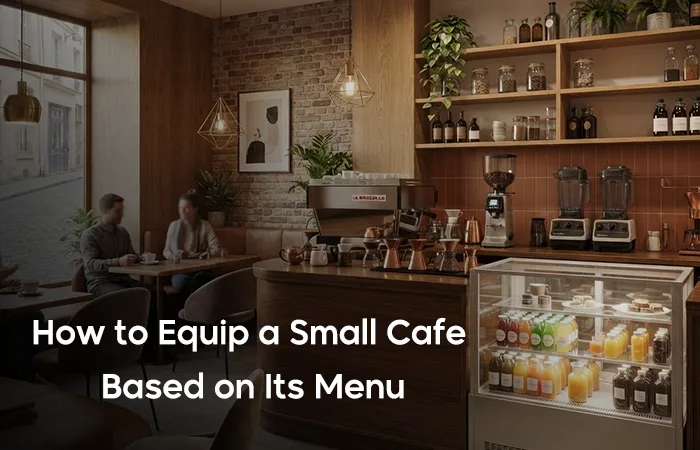
Opening a small café does not mean choosing the smallest equipment available. The right setup depends on the café’s menu, expected customer demand, preparation methods, available space, and future growth plans.
Many small café owners make the mistake of purchasing equipment first and designing the menu later. A better approach is to start with the products you plan to sell and select equipment that supports efficient preparation, consistent quality, and smooth daily operations.
A coffee-focused café will require a different setup from a dessert café, juice bar, or concept offering a wide beverage menu. Understanding your menu categories helps you invest in the equipment that creates the most value.
This guide explains how to choose small cafe equipment based on menu type, order volume, and operational needs, including espresso machines, grinders, ice equipment, blenders, refrigeration, displays, and expansion planning.
Start With Your Cafe Menu Before Buying Equipment
The menu determines the equipment requirements. Before creating a purchase list, divide your menu into categories and identify the preparation process for each item.
Common café menu categories include:
- Espresso-based drinks.
- Hot coffee beverages.
- Cold beverages.
- Smoothies and blended drinks.
- Desserts and pastries.
- Light food items.
- Ready-to-serve products.
Each category requires different equipment.
For example:
- A specialty coffee café needs professional espresso equipment.
- A smoothie café needs strong blending and cold beverage equipment.
- A dessert café needs display refrigeration and presentation solutions.
- A mixed-menu café requires a combination of preparation, beverage, and display equipment.
Estimate Daily Orders and Cup Volume
Equipment capacity should be based on expected sales, especially during peak hours.
Before selecting equipment, estimate:
- Daily customers.
- Average orders per hour.
- Number of drinks sold.
- Percentage of hot versus cold beverages.
- Peak service periods.
- Seasonal demand.
A small café serving 50 drinks per day will have different requirements from a café serving 300 drinks during busy periods.
Why Peak Demand Matters
Cafés often experience concentrated demand during:
- Morning hours.
- Lunch breaks.
- Weekends.
- Evening periods.
Equipment should be able to handle busy times without slowing service.
Essential Espresso Equipment for Small Cafes
For cafés where coffee is the main product category, the espresso station is the centre of operations.
A basic coffee setup usually includes:
- Espresso machine.
- Coffee grinder.
- Milk preparation area.
- Coffee accessories.
- Cup storage.
- Cleaning tools.
Explore espresso machines designed for professional café operations and commercial beverage preparation.
Choosing an Espresso Machine for a Small Cafe
Consider:
- Expected daily cups.
- Number of baristas.
- Available counter space.
- Menu complexity.
- Peak-hour demand.
A small café may not need the largest machine, but it still requires reliable commercial performance.
Important features include:
- Stable temperature control.
- Suitable brewing capacity.
- Strong steam performance.
- Easy operation.
- Reliable daily performance.
Coffee Grinders: A Critical Investment
The grinder is one of the most important pieces of café equipment because grind consistency directly affects coffee quality.
Explore coffee grinders for professional grinding solutions suitable for small coffee shops.
Why Small Cafes Need Commercial Grinders
Commercial grinders help:
- Maintain consistent extraction.
- Improve beverage quality.
- Handle repeated use.
- Reduce preparation delays.
- Support recipe adjustments.
A café with multiple coffee options may require more than one grinder for:
- Espresso blends.
- Specialty beans.
- Filter coffee.
Ice and Cold Beverage Equipment
Cold drinks are an important part of many café menus, especially in warm climates and during high-demand seasons.
Cold beverage equipment may include:
- Ice machines.
- Blenders.
- Cold drink dispensers.
- Refrigerated storage.
- Beverage preparation tools.
Explore cold beverage equipment for solutions designed for cafés and beverage-focused businesses.
When Does a Small Cafe Need Ice Equipment?
Ice requirements depend on:
- Number of iced drinks sold.
- Cold coffee menu.
- Smoothies.
- Seasonal demand.
- Customer preferences.
A café offering iced coffee, frappes, and blended drinks will require more ice capacity than a traditional hot coffee shop.
Blender Equipment for Smoothies and Specialty Drinks
If your menu includes smoothies, frappes, shakes, or blended beverages, a commercial blender becomes essential.
Consider:
- Daily drink volume.
- Blender speed.
- Noise level.
- Cleaning requirements.
- Product consistency.
Commercial blenders help cafés:
- Prepare drinks faster.
- Produce consistent results.
- Handle repeated use.
- Support larger menus.
Refrigeration Equipment for Small Cafes
Refrigeration is essential even for small cafés because many ingredients require controlled storage.
Common refrigeration needs include:
- Milk storage.
- Beverage storage.
- Dessert storage.
- Fresh ingredients.
- Prepared items.
Equipment may include:
- Undercounter refrigerators.
- Beverage coolers.
- Display refrigerators.
- Small freezers.
Choosing Refrigeration Based on Menu
Coffee-Focused Cafe
Main needs:
- Milk refrigeration.
- Beverage storage.
- Small ingredient storage.
Dessert Cafe
Additional needs:
- Display refrigerators.
- Dessert storage.
- Frozen storage.
Mixed Menu Cafe
May require:
- Larger refrigeration capacity.
- Preparation refrigeration.
- Multiple storage zones.
Display Equipment for Small Cafes
Product presentation can influence customer purchasing decisions.
Display equipment helps cafés showcase:
- Cakes.
- Pastries.
- Desserts.
- Bottled beverages.
- Ready-to-eat products.
Benefits include:
- Better product visibility.
- Increased impulse purchases.
- Improved customer experience.
- Professional appearance.
A small café should select display equipment based on the products that generate the most sales.
Shared Equipment for Small Cafe Operations
Some equipment can support multiple menu categories and provide better value.
Examples include:
- Refrigeration systems.
- Preparation tables.
- Storage shelves.
- Ice equipment.
- Blenders.
- Cleaning equipment.
Choosing versatile equipment helps small cafés maximise limited space.
Small Cafe Equipment Based on Menu Type
Coffee-Focused Cafe
Recommended equipment:
- Commercial espresso machine.
- Coffee grinder.
- Milk refrigerator.
- Beverage storage.
- Basic display unit.
Best for cafés focused mainly on espresso beverages.
Specialty Coffee Cafe
Recommended equipment:
- Advanced espresso machine.
- Multiple grinders.
- Brewing equipment.
- Water treatment.
- Premium accessories.
Best for cafés offering specialty coffee experiences.
Dessert Cafe
Recommended equipment:
- Espresso equipment.
- Display refrigerator.
- Dessert storage.
- Blenders.
- Beverage equipment.
Best for cafés focused on sweets and beverages.
Smoothie and Cold Beverage Cafe
Recommended equipment:
- Blenders.
- Ice equipment.
- Cold beverage equipment.
- Refrigeration.
- Display solutions.
Best for beverage-heavy menus.
Equipment Purchase Priorities for Small Cafes
Small cafés usually have limited budgets, so equipment should be prioritised.
Priority 1: Core Production Equipment
Invest first in:
- Espresso machine.
- Grinder.
- Refrigeration.
- Essential preparation equipment.
Priority 2: Menu Expansion Equipment
Add:
- Ice machines.
- Blenders.
- Display units.
- Specialty beverage equipment.
Priority 3: Customer Experience Equipment
Consider:
- Advanced displays.
- Additional beverage systems.
- Upgraded service equipment.
Prioritising purchases helps control investment while ensuring the café can open successfully.
Planning Equipment Around Limited Space
Small cafés often operate with limited counter and storage areas.
Space planning should consider:
- Equipment dimensions.
- Staff movement.
- Customer flow.
- Storage access.
- Cleaning areas.
Important tips:
- Place high-use equipment within easy reach.
- Use undercounter solutions where possible.
- Avoid unnecessary equipment duplication.
- Design the bar around workflow.
Planning for Future Cafe Growth
A small café setup should support future expansion.
Consider:
- Can the espresso machine handle more customers later?
- Is there space for additional refrigeration?
- Can the menu expand?
- Can new beverage categories be added?
Buying equipment that supports growth can prevent expensive replacements later.
Common Mistakes When Setting Up a Small Cafe
Avoid these mistakes:
- Buying equipment before defining the menu.
- Choosing equipment only based on low price.
- Underestimating peak demand.
- Ignoring refrigeration needs.
- Buying too many specialised machines too early.
- Poor bar layout planning.
- Forgetting future growth.
A successful café setup balances current needs with future opportunities.
Small Cafe Equipment Checklist
Before opening, review:
Coffee Station
- Espresso machine.
- Grinder.
- Accessories.
- Cleaning tools.
Beverage Station
- Ice equipment.
- Blender.
- Cold beverage equipment.
Storage
- Refrigerator.
- Freezer if required.
- Ingredient storage.
Display
- Product showcase.
- Beverage display.
- Dessert display if needed.
Workflow
- Preparation space.
- Staff movement.
- Service counter organisation.
Why Choose Kawader for Small Cafe Equipment?
Kawader provides commercial café equipment solutions designed for different menu concepts and business sizes.
From espresso machines and grinders to beverage equipment, refrigeration, preparation tools, and display solutions, Kawader helps café owners select equipment that matches their products and operational goals.
Whether you are opening a small coffee shop, specialty café, or beverage-focused concept, the right equipment setup helps improve efficiency and create consistent customer experiences.
Conclusion
Choosing small café equipment should start with your menu, not the equipment list. By understanding your product categories, estimating order volume, and prioritising essential purchases, you can create an efficient café setup without unnecessary investment.
The right combination of espresso equipment, grinders, ice solutions, refrigeration, blending equipment, and displays creates a strong foundation for daily operations and future growth.
Explore small-cafe equipment from Kawader and choose professional solutions suited to your menu and business needs.